Southern Andes and Cuenca
The southern Andes deserve four full days: UNESCO-listed Cuenca, the 270 lagoons of Cajas at 4,000 metres, Inca Ingapirca and the temperate Vilcabamba valley.
Ecuador's southern Andes begin roughly eight hours' drive south of Quito, or forty-five minutes by flight to Cuenca's Mariscal Lamar airport. It's a region our team recommends treating as a destination in its own right, not as a rushed two-day add-on. The geography shifts here: the active volcanoes of the Avenue of the Volcanoes give way to a more eroded cordillera, without snow-capped peaks but with high-altitude páramo plateaus, temperate inter-mountain valleys, and a gradual transition towards the Amazon south of Loja.
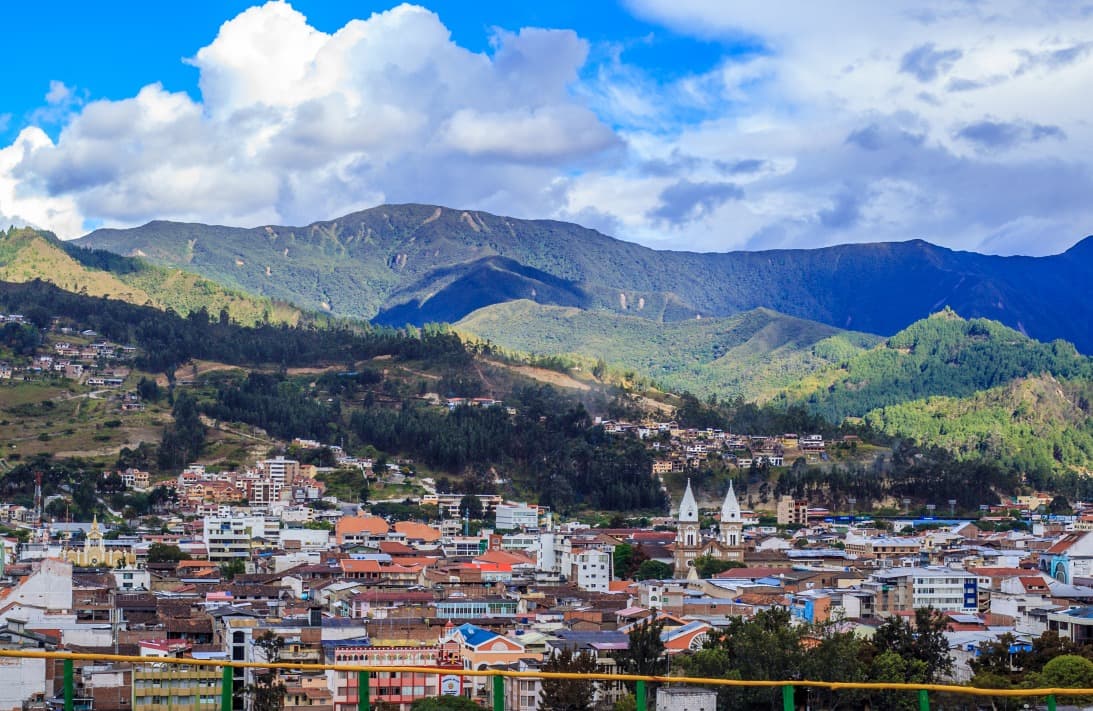
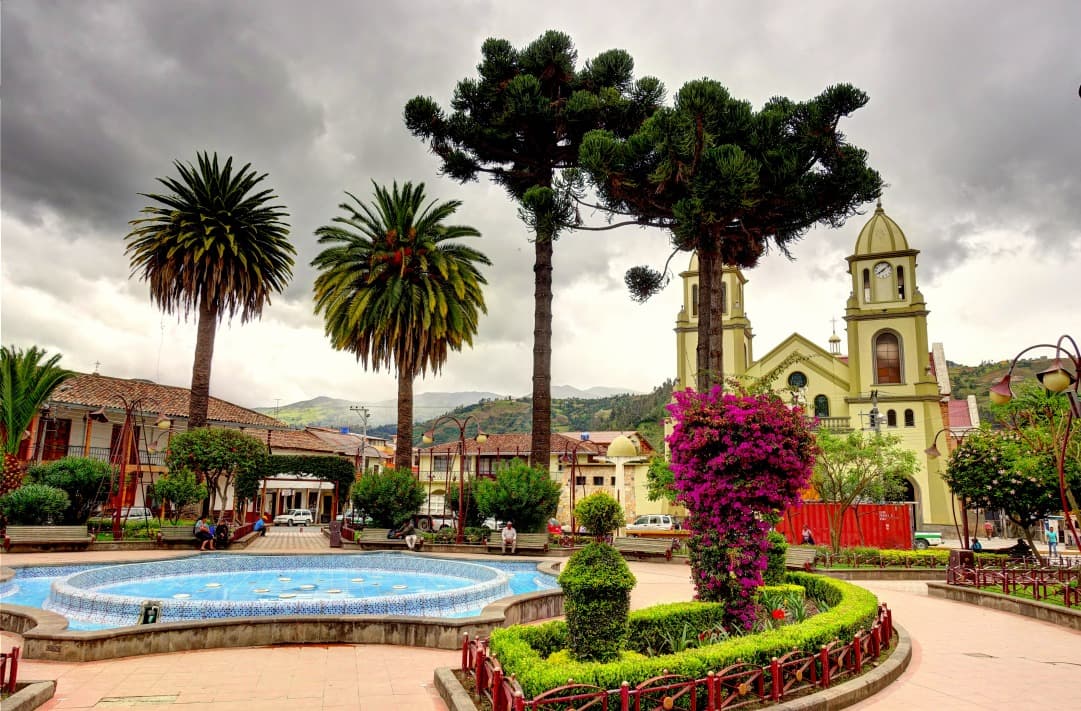
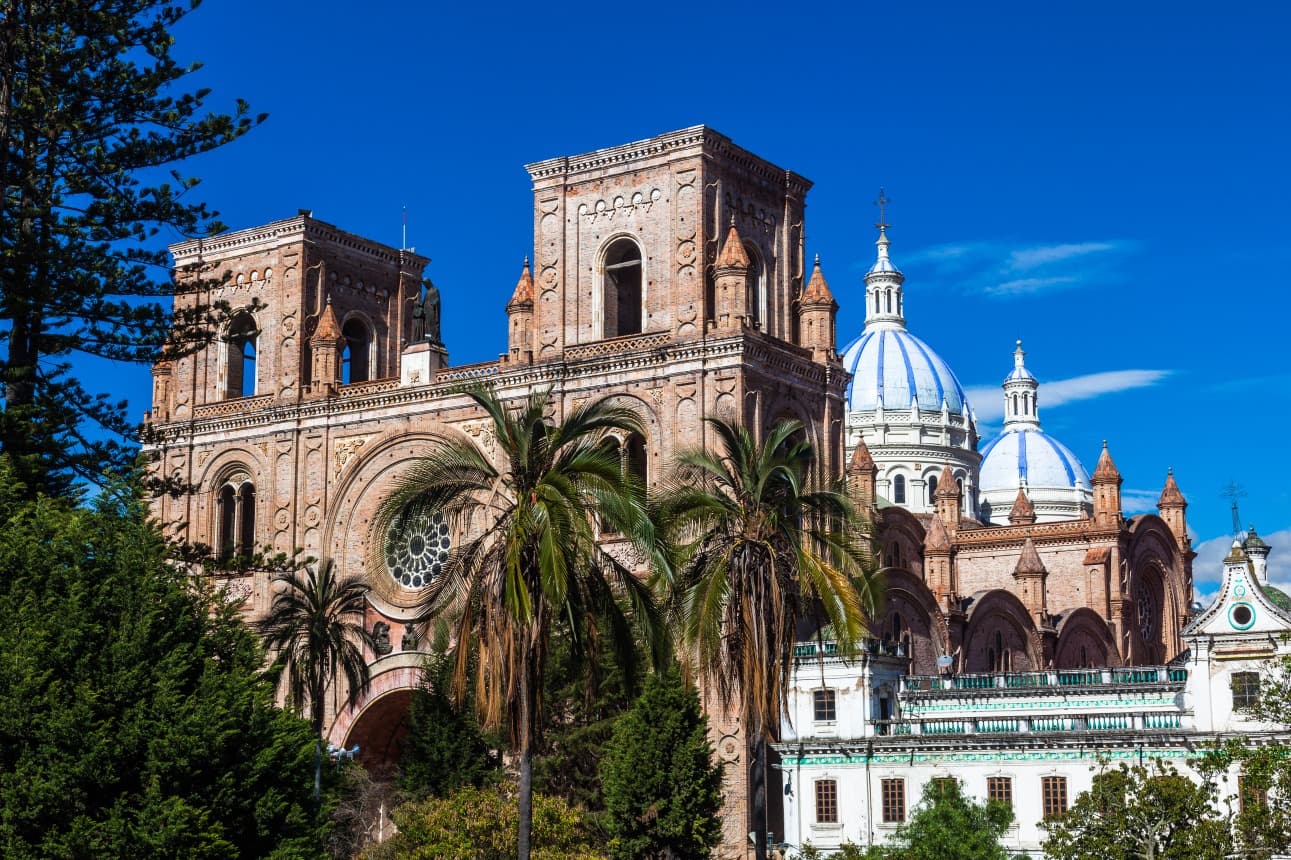
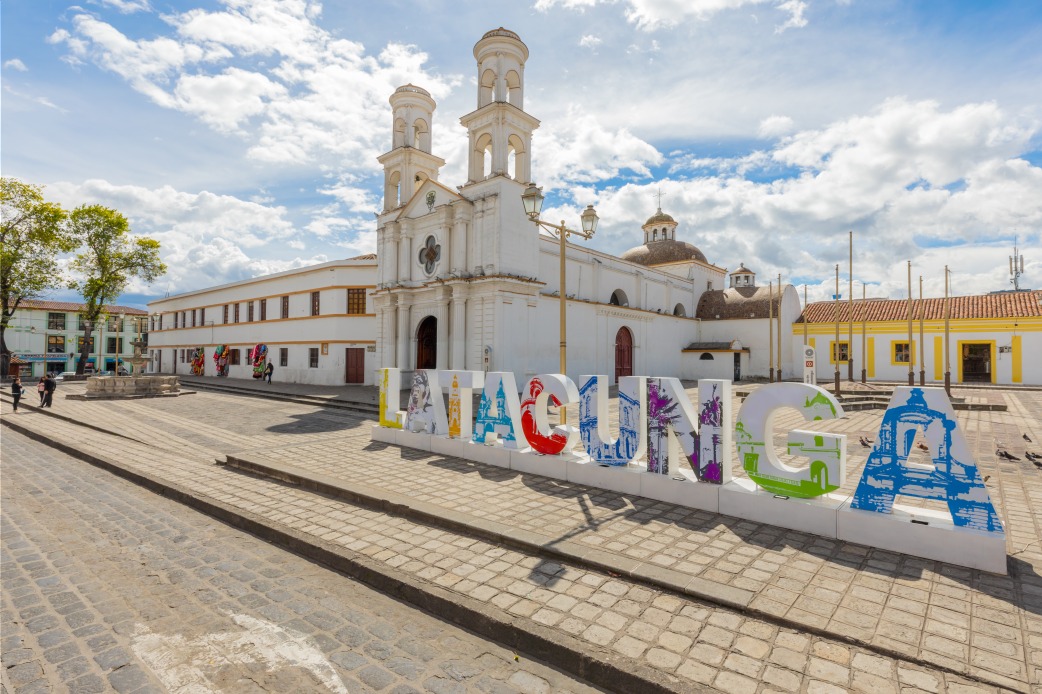
Cuenca, the country's third city with roughly 600,000 inhabitants, sits at 2,560 metres where four rivers converge, including the Tomebamba which flows through the historic centre. The colonial quarter, inscribed on the UNESCO World Heritage list in 1999, is recognizable by the four blue domes of the Catedral Nueva, the cobblestone streets of Calle Larga, and republican façades of dressed stone and painted adobe. The city retains genuine artisanal activity: workshops weaving toquilla straw hats (the "Panama hat" is actually Ecuadorian, made principally in Cuenca and the neighbouring Manabí province), filigree silverwork in Chordeleg, hand-painted ceramics in San Bartolomé. The Mercado 10 de Agosto remains where locals shop for hornado (roast pork) and mote pillo (sautéed corn kernels with eggs), two dishes that encapsulate southern Andean cooking.
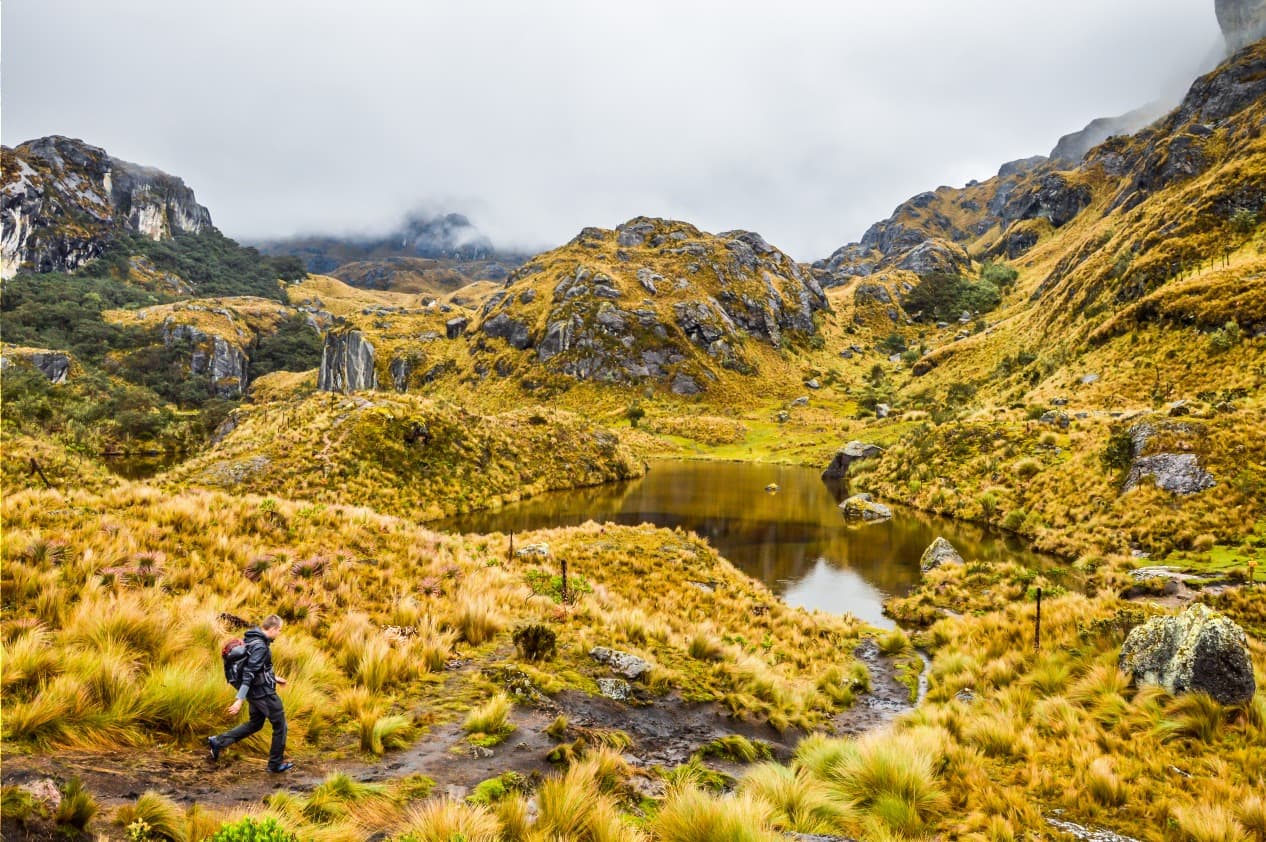
An hour and a half west, El Cajas national park spans 285 km² of páramo between 3,100 and 4,450 metres. The landscape here is purely mineral: 270 identified glacial lagoons, spongy peatbogs, groves of polylepis (a gnarled tree that grows above 4,000 metres, rare worldwide). The park straddles the watershed dividing the Pacific from the Amazon. Several marked trails allow walks of 2 to 8 hours around the Toreadora and Llaviuco lagoons. We bring both seasoned hikers and families, adjusting for elevation gain.
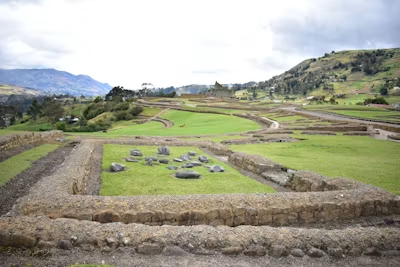
North of Cuenca, two hours' drive away, Ingapirca is Ecuador's most significant preserved Inca site. The construction, in precisely dressed and fitted stones without mortar using Cuzco technique, dates to the late 15th century and sits upon an earlier Cañari settlement. The Temple of the Sun, oval in plan, is the sole example of its type outside Peru. The Cañari indigenous market in Cañar on Sunday morning logically complements the visit: it's one of the rare markets where women still wear the distinctive white hat with black band.
Further south still, beyond Loja, the Vilcabamba valley stretches at 1,500 metres in a dry subtropical climate, with stable temperatures around 18 to 24°C year-round. The village, long cited in studies on inhabitants' longevity (the "longevity valley" remains a tourist pitch, to be taken with a grain of salt), today attracts a mixed population of highland farmers and North American and European residents. It's a rest stop, for horseback riding in the Mandango sierra or short forays into nearby Podocarpus national park, which descends into Amazonian cloud forest.
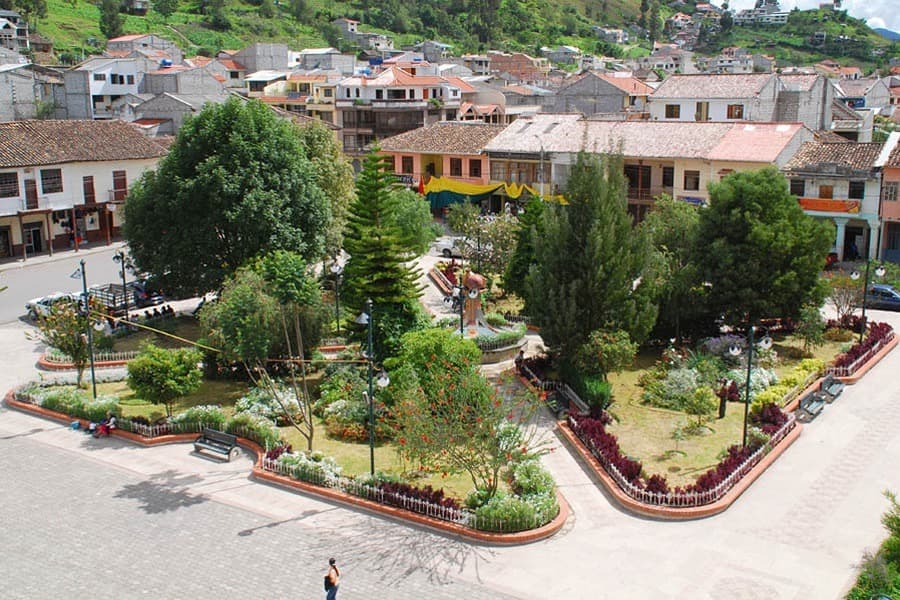
The southern Andes is also a region of strong identities: the Cañaris around Cuenca, the Saraguros between Cuenca and Loja, recognizable by their black clothing worn as mourning for Inca Atahualpa according to oral tradition. This cultural richness, combined with landscapes less visited than the north, justifies in our view four to five days of itinerary.
To discover
Colonial centre of Cuenca. Walk through the cobbled streets of the historic quarter, from the Tomebamba riverbanks to Calderón plaza facing the blue domes of the Catedral Nueva. Visit a toquilla straw hat workshop, where weaving a fine piece takes several weeks.
Hiking in El Cajas park. A 3 to 4-hour loop around Laguna Toreadora at 3,900 metres, between peatbogs and polylepis groves. Mist often lifts by late morning; bring warm layers even in the dry season.
Ingapirca Inca site. Guided tour of the oval-plan Temple of the Sun, the sole example of its type outside Peru, and the adjoining Cañari enclosure. Combine with the Cañari market in Cañar on Sunday.
Vilcabamba valley. A contemplative stop at 1,500 metres, horseback riding on the Mandango ridges or a day's walk in nearby Podocarpus park, at the transition between páramo and cloud forest.
Artisanal villages of Cañar. Tour of Chordeleg (silver filigree), Gualaceo (ikat weaving of indigo-dyed macana shawls) and San Bartolomé (guitar-making), all within an hour of Cuenca.
When to go
The southern Andes has two distinct seasons. The driest period runs from June to September, with sunny days in Cuenca (12 to 22°C) and cool nights dropping to around 6 to 8°C. This is the best window for hiking in El Cajas, where waterlogged trails become difficult in the rainy season. A second acceptable window runs from December to early February, with brief afternoon showers but clear mornings.
March through May concentrate the heaviest rainfall, with precipitation reaching 120 to 150 mm monthly at higher elevations, making some trails to Ingapirca muddy. Vilcabamba, lower and on the dry flank, largely escapes this pattern: the valley stays pleasant year-round at 18 to 24°C, with simply higher humidity from February to April.
Practical advice
We recommend a minimum of four to five days for this region: two days in Cuenca (historic centre, markets, craft workshops), one day for El Cajas, one day for Ingapirca and Cañar villages, and optionally two extra days to descend to Loja and Vilcabamba (five to six hours' drive from Cuenca, by comfortable long-distance bus or private vehicle). Cuenca airport is served by several daily flights from Quito and Guayaquil, avoiding the eight-hour Pan-American highway drive south from the capital.
The region pairs well with the Avenue of the Volcanoes upstream (descending gradually from Quito via Riobamba and the Nariz del Diablo train, still operating in sections) or with the Pacific coast downstream, Guayaquil being three and a half hours from Cuenca by the Cajas road. A combination with the Amazon is possible but requires heading back north, or taking the descent from Loja to Zamora. Hotel comfort in Cuenca is good, with several restored colonial houses in the centre. This is a region we gladly propose to contemplative travellers, history and craft enthusiasts, and hikers seeking accessible páramo without overnight camping.