Alausi
Alausi
A small Andean town perched at 2,340 m, Alausi is famous for its Devil's Nose train, colonial center and proximity to the Ingapirca ruins.
Little known to tourists and adventure seekers, Alausi is a picturesque, charming and remarkably peaceful small town. Like other Ecuadorian cities celebrated for their idyllic landscapes, this destination owes its reputation to its historic trains and the iconic railway line named Nariz del Diablo—the "Devil's Nose." Alausi is not only a town steeped in history but also a dream destination for adventurers and thrill-seekers.
History
During the Spanish conquest of Ecuador, Alausi was named San Pedro de Alausi by Sebastián de Belalcázar. Later, Belalcázar renamed the town "Alausi." Alausi's political and administrative history is closely intertwined with that of Quito. From the establishment of Quito's government, it functioned as a political and administrative entity under the capital. In 1810, during the Quito independence movement, Alausi quickly recognized the new government and appointed Captain José Antonio Pontón as its spokesman and representative to the Governing Junta.
Today
Alausi sits on the edge of the Rio Chanchan gorge, in Chimborazo Province, 63 km south of Riobamba. Surrounded by a stunning arc of mountains, it spans 1,644 square kilometers. According to a 2010 census, the population numbered approximately 44,089 inhabitants. Alausi's tourism reputation rests heavily on its architecture dating back over 100 years and the Devil's Nose railway section. While the town boasts magnificent natural landscapes, primary tourist activities center on monuments and their architectural heritage. These include visiting ancient monuments, celebrating the San Pedro festival, and riding the Devil's Nose trains.
Exploring the town's ancient monuments
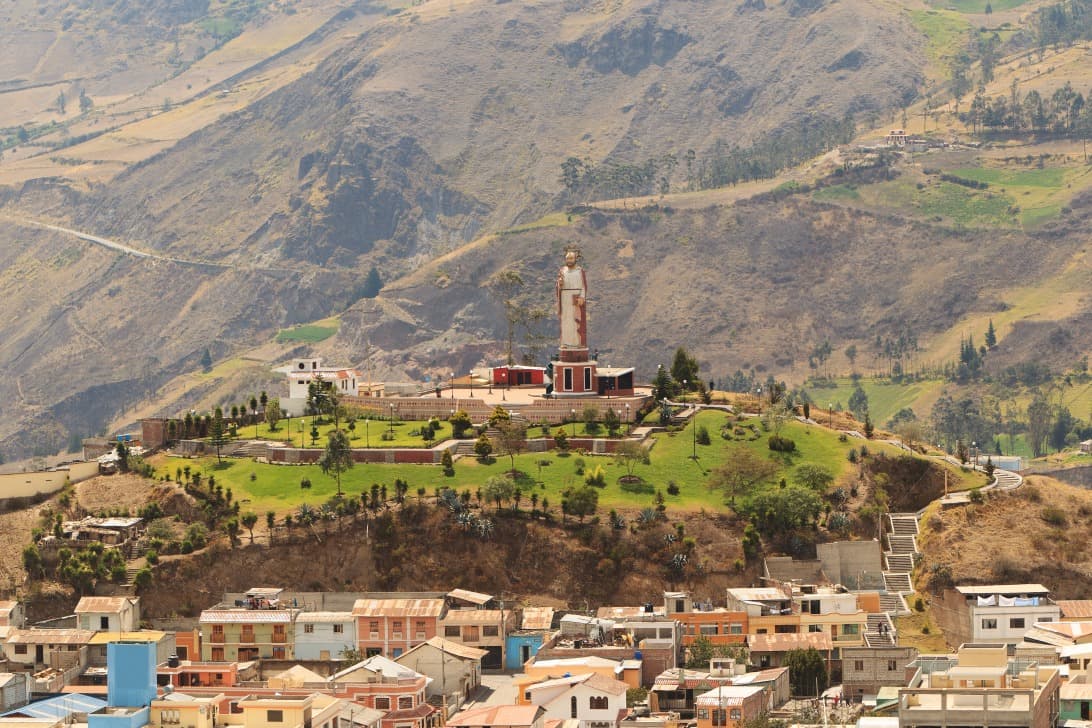
With their weathered wooden balconies, buildings lining the narrow streets along the mountainside of the town center evoke the city's architectural past. Among these historic structures, Alausi's railway station is the most celebrated. Local tourists and some international visitors come to Alausi to admire the ingenuity of its construction and architecture. Most of the city's monuments stand in parks and important neighborhoods, the most famous being the Monument to Saint Peter, the town's patron saint. This colossal work was created by renowned Ecuadorian artist Eddie Crespo. Erected at Loma de Lluglli in a strategically prominent location, the statue stands so tall it is visible from numerous points throughout the city. Perched above 3,200 m altitude on a plateau overlooking the region, the Ingapirca ruins represent the most significant ruins in Ecuador. They stand as the sole testament to the future of Inca culture and remain a sacred site for local communities. Recently restored, the Temple of the Sun and the residences of priests, priestesses and the emperor showcase the site's most fascinating structures.
Experience the thrill aboard the Devil's Nose train
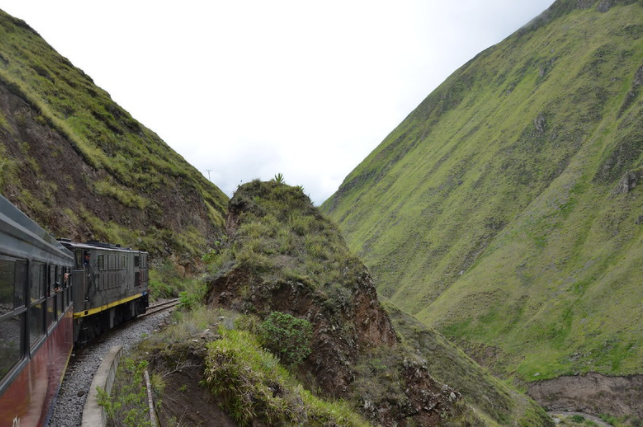
Alausi serves as the departure point for the Devil's Nose railway section—the Nariz del Diablo. This stretch of the Trans-Andean railway line takes its name from the mountain's striking profile, which resembles a large nose emerging from the earth. Due to the thousands of workers who died during its construction, locals believed the railway was cursed, giving rise to the name Nariz del Diablo (Devil's Nose). Connecting Ecuador's coast and highlands, the Nariz del Diablo is counted among the world's most challenging and dangerous railway lines. Trains navigate a dramatic zigzag descent through the Andean terrain before reaching the station at Sibambe and the museum known as Pununa Condor. For adventurers and adrenaline enthusiasts, boarding these trains promises an unforgettable rush. Following this thrilling journey, travelers are greeted with a traditional dance performance and can explore the museum to learn more about the railway line's construction history.
Attend the San Pedro carnival
The best time to visit the town is between June 22 and July 2. During this period, a traditional festival unfolds: parades of traditional dance, music, folklore and countless other activities attracting both Ecuadorian and international visitors. With its diverse celebrations, the festival has been, since colonial times, a testament to Spanish cultural influence throughout South America.
Climate
Located at 2,340 m elevation, Alausi enjoys a warm oceanic climate with no dry season. Average precipitation measures 553.1 mm annually. Given the humidity levels, temperatures in the Alausi region remain notably consistent. They stay quite cool, hovering around 15°C during the dry season (December).
- Bus
Following the Pan-American Highway south, the journey takes approximately 5 hours from Quito and 2 hours from Riobamba to reach Alausi. Alausi is served by a bus network connecting it to numerous Ecuadorian destinations. The main bus terminal is located at the northern end of the city's main avenue, Calle 5 de Junio. For popular destinations such as Quito, Cuenca and Guayaquil, departure times are fixed and regular.
Want to discover this destination?
Our local advisors design your tailor-made trip.