San Antonio de Ibarra
San Antonio de Ibarra
A small town in Imbabura Province, San Antonio de Ibarra is home to Ecuador's most celebrated woodcarving tradition, nestled near the shores of Lake Yahuarcocha.
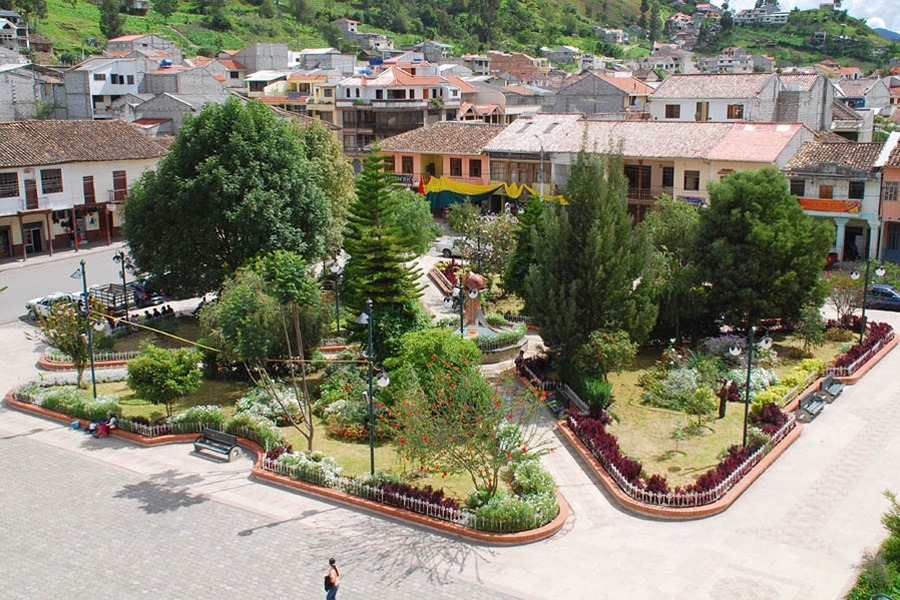
San Antonio de Ibarra is a town in Imbabura Province, approximately 80 km northeast of Quito. Like Ibarra, the capital of this administrative division, it sits at the foot of Imbabura volcano, which rises to 4,609 meters in elevation. The town's reputation rests primarily on its wood craftsmanship. However, it remains an undiscovered gem for travelers visiting Équateur, with woodcarving and Lake Yahuarcocha serving as its main attractions.
History
Administratively, San Antonio de Ibarra was founded on March 24, 1693, though evidence suggests human settlement in the area dating back to the previous century. By 2011, the town had a population of 17,500 inhabitants.
What to Do in San Antonio de Ibarra
Explore the Art of Woodcarving
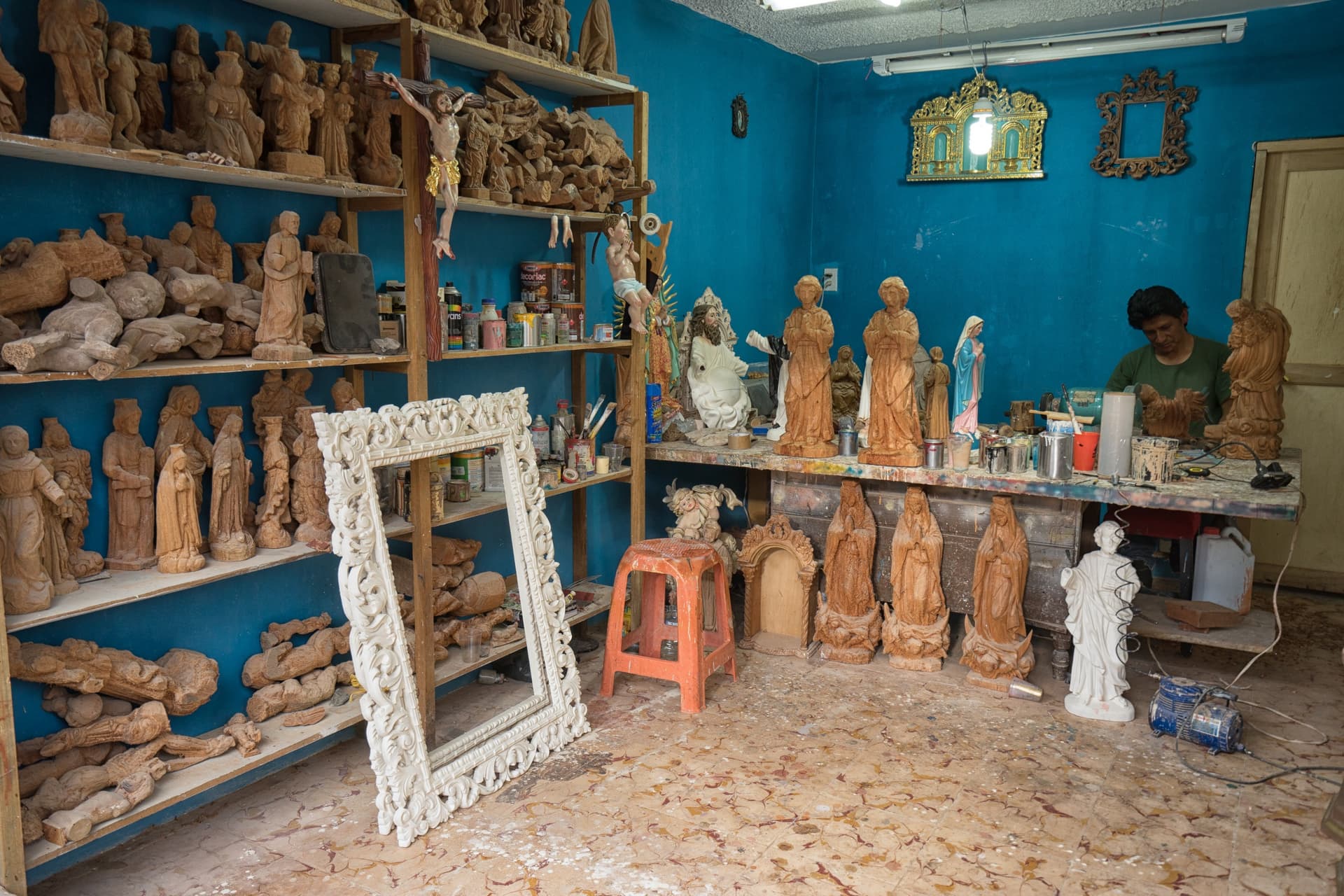
Imbabura Province is distinguished by its abundant cedar wood reserves, which explains the region's strong woodcarving tradition. Strolling through San Antonio de Ibarra allows you to admire how local artisans skillfully transform this material into genuine masterpieces.
The town is renowned for its numerous galleries, showcasing an extensive selection of hand-carved wooden figurines in countless forms and sizes, each meticulously hand-painted. While many of these creations carry religious significance, local artisans also craft secular decorative pieces.
The finest shops line the main avenue, 25 de Noviembre, and the charming Calle Ramón Teanga, where colonial-era charm has been carefully restored. This cobblestone street now reveals vibrant boutiques, art galleries, and craft workshops. Wide paved sidewalks adorned with old-style street lamps enhance its elegance.
For an optimal exploration of the town, begin your stroll at La Capilla del Barrio del Sur church, perched at the top of the restored section of Ramón Teanga street. Just nearby stands Escultura Cisneros workshop, owned by renowned local sculptors Saul and Alfonso Cisneros.
Then descend the hill, taking time to visit shops that catch your eye, before heading toward the town's central plaza and 25 de Noviembre Avenue. As you leave town along this avenue, don't miss the Asociación de Artesanos, which showcases local artisans' creations and hosts traveling exhibitions.
For a truly unforgettable experience, consider meeting Alcides Montesdeoca, a world-renowned sculptor credited with creating many Virgin Mary sculptures used in major Holy Week processions worldwide. His home and workshop are located on Bolívar Street 5-38.
Visit Laguna Yahuarcocha (Lake Yahuarcocha)
Laguna Yahuarcocha is the preferred spot for locals to enjoy picnics. The lake also welcomes boat excursions and features a racecourse along its shores. What makes it even more captivating is its historical significance. In 1495, during a fierce battle, Inca king Huayna Capac massacred thousands of members of the local Cara people, and the lake reportedly turned red from blood. This explains the meaning of its name: "lake of blood."
San Antonio de Ibarra is located 5 kilometers south of Ibarra, near the Pan-American Highway. To get there, take a bus heading to Quito or Otavalo and ask the driver to drop you at the town's entrance. Keep in mind you'll need to walk uphill about 10 blocks or more to reach downtown.
The most recommended option is to take a direct bus. Buses depart every 20 minutes from Ibarra's Terminal Terrestre. A one-way ticket costs 20 cents. By taxi, the journey costs $3.
Best Time to Visit This Region of Équateur
The best time to visit this town and region is during the dry season, from June to September.
Want to discover this destination?
Our local advisors design your tailor-made trip.