Loja
Loja
The cultural and musical capital of southern Ecuador, Loja blends colonial heritage, mild Andean climate and serves as a gateway to Vilcabamba and Podocarpus.
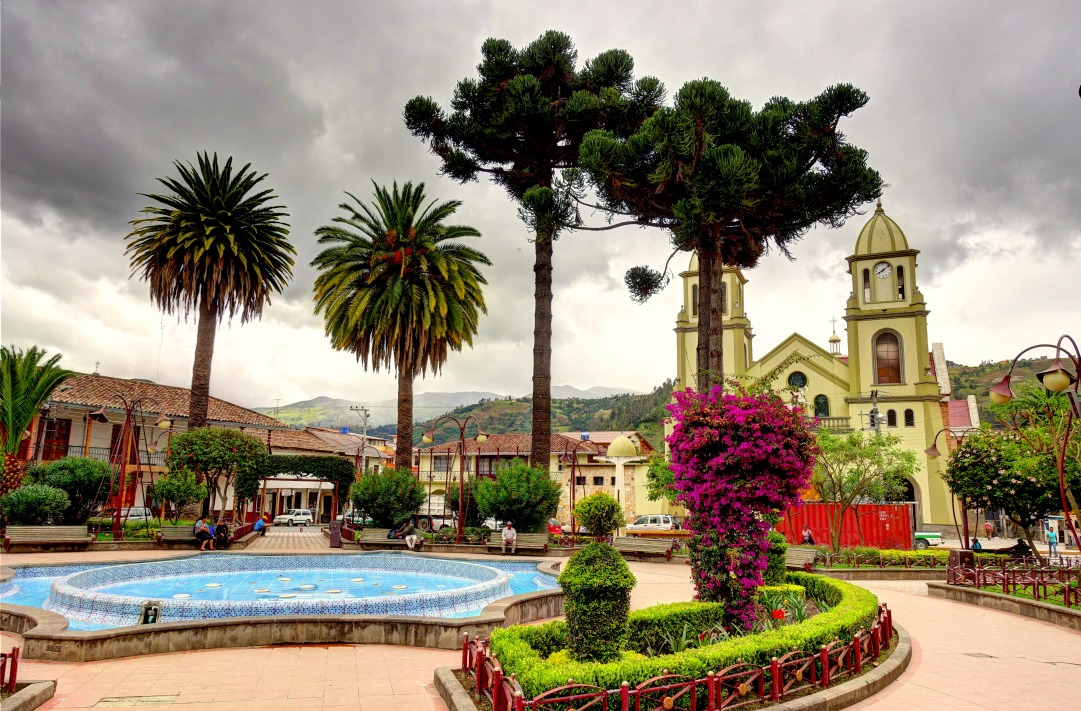
Loja is the capital of the province of the same name. It is a charming city that has preserved its colonial roots and ancient architecture, resisting the urban development that has transformed other Ecuadorian cities. It is a hidden gem for a retreat in Ecuador and for discovering the authentic appeal of a former Spanish colonial town.
History
Loja was founded on December 8, 1548 by a Spanish marshal known as Alonso de Mercadillo. He named the city after his hometown in Spain, Loja. It was previously known by several names including Loxa and "the City of the Immaculate Conception of Loja".
Before 1546, the city was located in the Catamayo canyon, but following a devastating earthquake and malaria problems, it was relocated to its current site, approximately 35 km to the east. It declared independence from Spain on November 18, 1820.
It benefited from its first electrical power supply in 1896 thanks to the construction of a hydroelectric dam. For this reason, it became the first Ecuadorian city to use electric energy.
Highly famous in history, it served as a departure point for seeking the mystical city of El Dorado in the Amazon basin. According to historical records, the celebrated Simón Bolívar visited its countryside during his campaign to unite the Gran Colombia.
Today
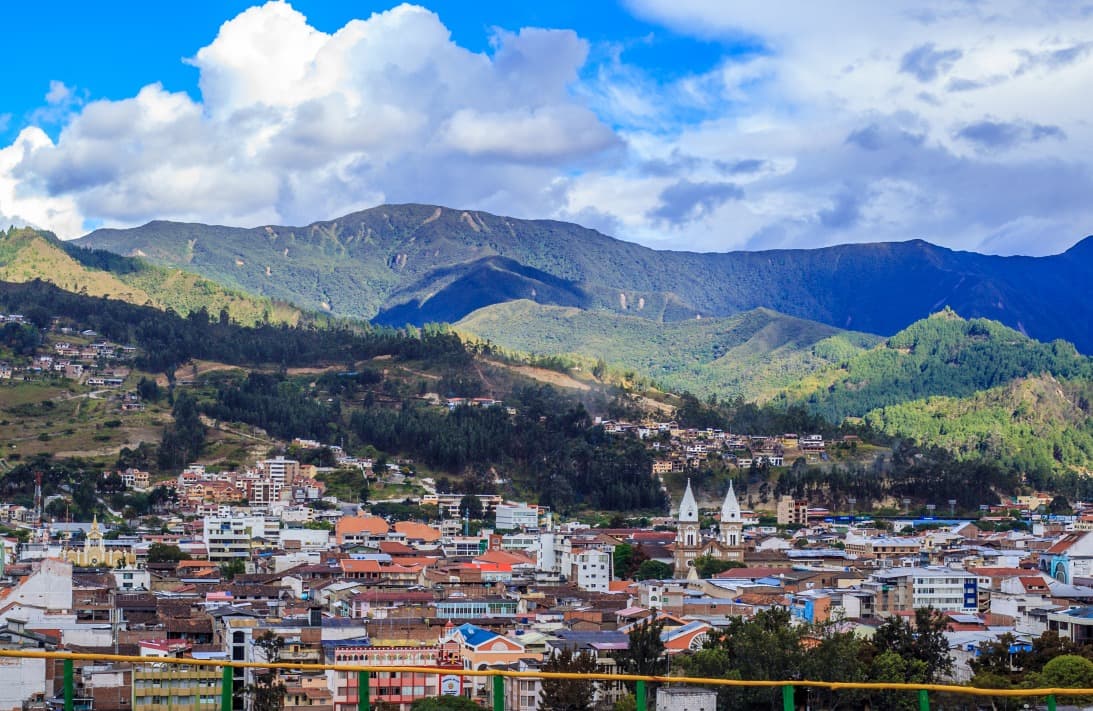
Located in the southern part of Ecuador, 430 km south of Quito, the city of Loja spreads across the glacial valley of Cuxibamba. It shares its borders with the provinces of Zamora-Chinchipe and El Oro, and with Peru to the south. According to a census conducted in 2010, Loja had approximately 118,532 inhabitants.
Loja sits nestled in the majestic green mountains of the southern Andes. Its natural landscape is composed primarily of páramo vegetation, cloud forests and dark jungles. The city is also traversed by the Zamora and Malacatos rivers. It borders the Podocarpus National Park. This nature reserve encompasses four distinct ecological systems, including the Northern Andes, Southern Andes, the Amazon and the Pacific. It is one of the largest public parks in South America. It allows visitors to discover more than 68 mammal species, 560 bird species and over 4,000 plant types, some of which are endemic.
Discovering Ecuador's Cultural and Musical Capital
Loja is considered the cultural and musical capital of Ecuador. It hosts numerous small music clubs and salsa venues. A famous local saying captures the spirit perfectly: anyone can become an artist. It explains that "those who don't play guitar can sing a song, those who can't sing can write a verse, those who don't write verses can read a book". To celebrate this heritage, the city has a museum dedicated to the musical history of Loja's artists. During your stay in Loja, you can find over 7,000 musical scores and 65 traditional instruments spanning nearly 200 years of history.
Its inhabitants maintain a rich tradition in the arts, including murals, tiles, frescoes and statues. On a city bridge, remarkable frescoes of Bolívar and Sucre—like grand painted curtains—welcome visitors. To better explore the city's cultural side, visit during religious festivities or celebrations of important dates. You'll witness an explosion of color and an influx of talented artists during the Pilgrimage of the Virgin of El Cisne on May 30 and August 15, during the celebration of Loja Province's founding in June, and during the border integration fair between Ecuador and Peru from September 1-15. It's also particularly interesting to visit on November 18, the day of Loja's Independence celebration.
Do You Know Loja's Architectural Style?
Architecture is also a must-see in Loja. From the city's entrance, it is easy to recognize the architectural style of its monuments and historic buildings through the city gates. They are magnificent and majestic ancient structures modeled on its coat of arms. Inside, the city hosts a number of historic churches and historic quarters. Visitors can thus visit the main cathedral, the Church of San Francisco, the Church of Santo Domingo and the Church of Saint Sebastian.
Climate
Since the Loja region sits at over 2,060 meters altitude, it enjoys a mild Andean climate with temperatures ranging between 16 and 30°C.
To navigate the city, it is easiest to access north and south along the paved alleys that run alongside the two rivers. Several bus and taxi lines operate along these alleys, most bearing the names of notable Ecuadorians or dates marking the city's founding.
Bus
The city of Loja is traversed by the Pan-American Highway, which connects the country to Peru. The city's bus station is located at the northern edge of town.
Airplane
Located 30 km west of the city, La Toma Airport in Catamayo is the closest. It is served by TAME airline, making it possible to reach the cities of Quito or Guayaquil.
Want to discover this destination?
Our local advisors design your tailor-made trip.