Isla de la Plata
Isla de la Plata
Nicknamed the "Poor Man's Galápagos,
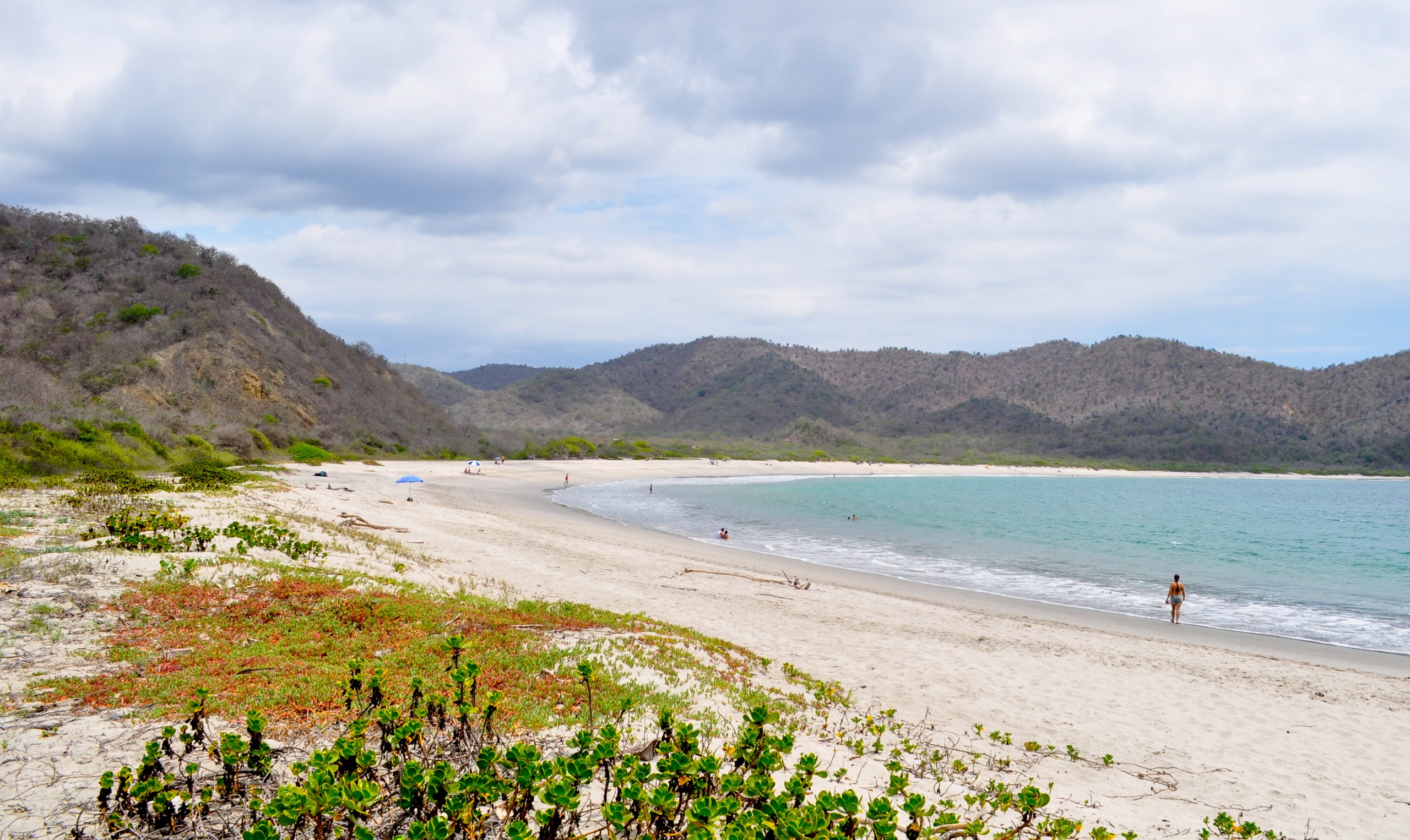
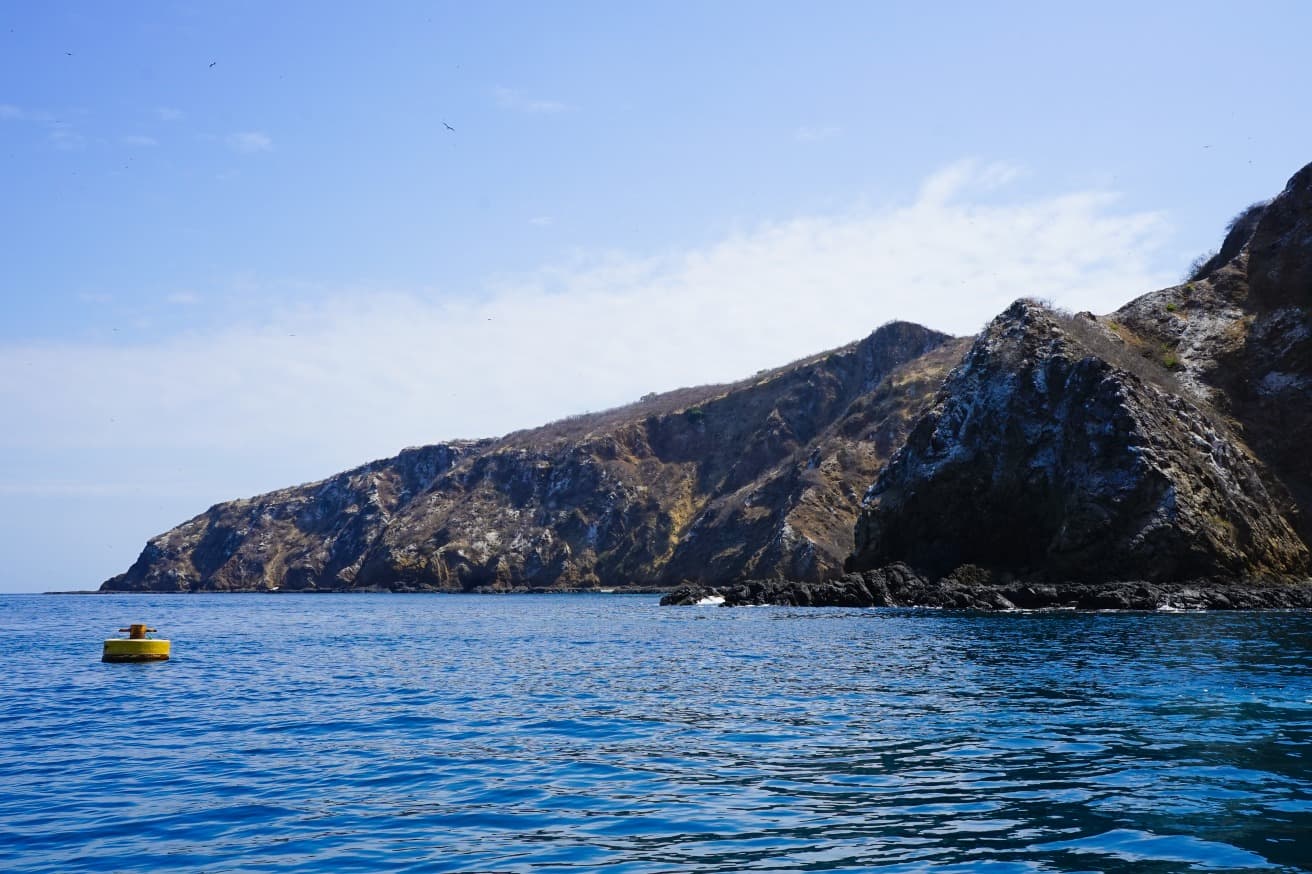
Home to some of the most fascinating animal species along Ecuador's coast and islands, Isla de la Plata offers a glimpse into the full diversity of wildlife in this region. It is particularly renowned for its abundance of blue-footed boobies, red-footed boobies, magnificent frigatebirds and albatrosses. Located approximately one hour by boat off the coast of Manabí province, this small island positions itself as a more budget-friendly alternative to the famous Galápagos archipelago.
History
In the late 19th century, tombs containing numerous gold artifacts were discovered on Isla de la Plata. Subsequent research uncovered two additional burial sites, which held many ceramics in the imperial Inca style, pins, bells and a gold plaque. A large stone axe, believed to belong to the local Bahía culture, was also found.
According to American archaeologist George Amos Dorsey, who participated in the research, the tombs discovered on the island were those of Inca soldiers, who likely took part in military campaigns in the region. This remote land in the middle of the ocean represents the northernmost point of Inca empire territory.
Isla de Plata is part of Machalilla National Park, which was established in 1979. It currently serves as a nature reserve.
The Origin of the Island's Name
Several hypotheses exist regarding the origin of this island's name. The first stems from its alleged use by English privateer Francis Drake to hide his silver treasure. Indeed, the Spanish word "plata" means "silver" in English.
The second hypothesis references the island's guano layer, which, under sunlight, reflected a silvery halo surrounding the island.
The final hypothesis is linked to the island's exploitation for guano. In the past, bird droppings were sold at high prices, and the word "plata" is widely used throughout South America to denote money.
Isla de la Plata: A Haven for Boobies and Beyond
The reason tourists flock to this island is its remarkable faunal diversity. Birdlife stands out for its numerous booby species, including the blue-footed booby, red-footed booby and Nazca booby. Other bird species thriving on the island include the brown pelican, magnificent frigatebird and osprey.
On the reptile side, the island is home to 4 sea turtle species: the hawksbill turtle, leatherback turtle, olive ridley turtle and green sea turtle. Fed by tour operators, the latter species is consistently present in the island's harbor.
Turtles are not the only animals frequenting the waters around Isla de la Plata. Humpback whales, pilot whales, sperm whales, bottlenose dolphins, common dolphins and pantropical spotted dolphins are also observable here. Additionally, a Galápagos sea lion occasionally makes an appearance on the island.
What to Do on Isla de la Plata?
Hiking
It is during a guided hike that you'll encounter the many animals inhabiting Isla de la Plata. The activity is guided, and tourists can choose between two hiking trails. One measures approximately 1.6 km and leads directly to the back of the island, where you'll observe different booby species. These birds are found along the cliff overlooking the sea.
The other trail climbs gently along the island's ridge. As you walk it, you'll enjoy charming views of the entire island. You'll also spot numerous frigatebirds and boobies. This route covers a distance of 2.5 km.
Exploring the Island's Underwater Life
Following the hike, tour operators will invite you to discover the island's underwater creatures through snorkeling. You'll observe corals, colorful fish and green sea turtles. Note that visibility is limited in this region.
Humpback Whale Watching
If you visit Isla de la Plata between June and September, you'll also have the chance to observe humpback whales. Each year, these marine mammals leave Antarctica to breed in this region.
Practical Information
When to Visit?
The best time to visit Isla de la Plata is during the dry season, which typically runs from June to September. During these months, weather conditions are more stable and temperatures are pleasant. It is also the period when the sea is calmer, facilitating boat travel to the island.
The island is only accessible by boat. A visit takes place as part of an excursion departing from Puerto López or Montañita. Prices range from €27 to €36 per person. This includes lunch and a snack, as well as snorkeling equipment.
Want to discover this destination?
Our local advisors design your tailor-made trip.