Pacific Coast
700 kilometers of Pacific between the mangroves of Esmeraldas, the dry forest of Machalilla and fishing villages where humpback whales can be observed from June to September.
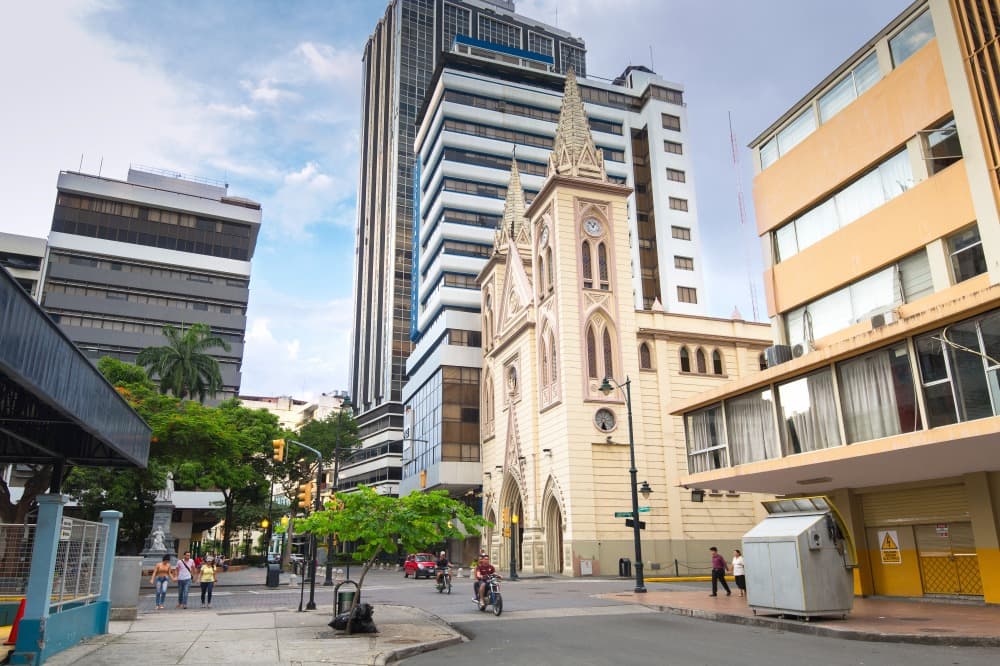
Ecuador's Pacific coast stretches nearly 700 kilometers, from Mataje on the Colombian border to Huaquillas facing Peru. Our team traverses it primarily via the Ruta del Spondylus, the coastal highway named after the sacred red shell revered by the pre-Columbian Valdivia and Manteña cultures. It is a diverse coastline: dense mangroves in the north in Esmeraldas province, the arid cliffs of Machalilla National Park in the center, the urban beaches of Salinas and shrimp farming zones in the south, around Guayaquil.
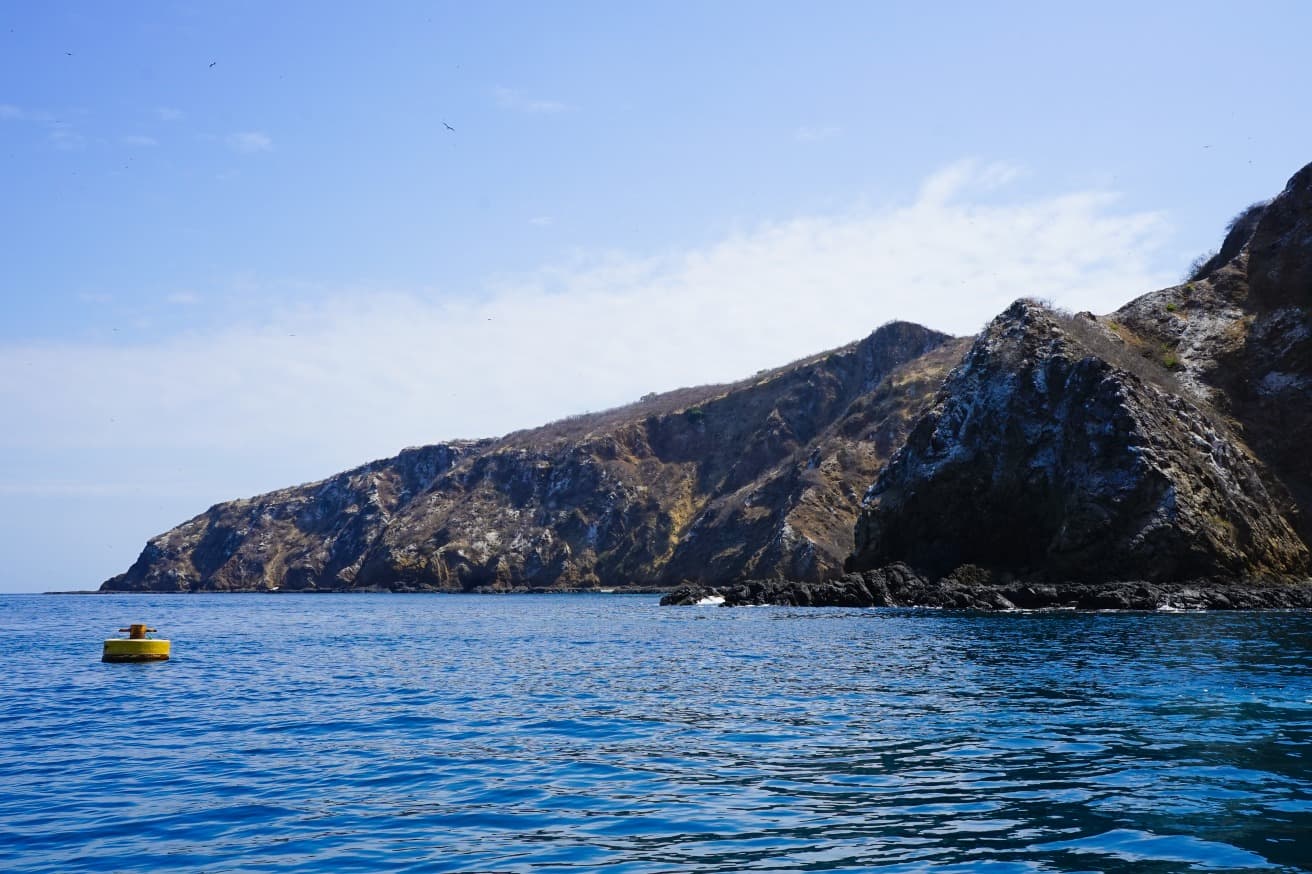
The pace here is slower than elsewhere in Ecuador. Fishing villages like Ayampe, Las Tunas, or San Clemente live to the rhythm of dawn departures at sea and the return of boats around 11 in the morning, when ceviches are bought directly on the beach. At Puerto López, the informal capital of central coastal tourism, artisanal fishing coexists with boat departures to Isla de la Plata, 40 kilometers offshore. This island is home to colonies of blue-footed boobies, red-footed boobies, and frigatebirds, earning it the nickname of a miniature Galápagos, accessible for around 40 USD per day compared to several thousand for the main archipelago.
The coast's population is distinctly different from that of the Andes. In the north, in Esmeraldas province, Afro-Ecuadorian communities descend from slaves who escaped in the 16th century after a shipwreck. Their culture is expressed through marimba, recognized as UNESCO intangible heritage, and in a cuisine built around coconut milk: encocado de pescado, tapao de pescado, bolones de verde. Further south, Manabí province is the birthplace of montuvios, mixed peasants of the coastal interior, and concentrates the production of fine aroma cacao. The Tsáchila communities, recognizable by their hair dyed with annatto, live around Santo Domingo, at the transition between coast and Andes.
The economy rests on three pillars: fishing (tuna, farmed shrimp, mahi-mahi), bananas (Ecuador is the world's leading exporter), and cacao. Our team regularly organizes visits to cacao haciendas around Bahía de Caráquez and Canoa, where producers explain the fermentation and drying of nacional, an endemic variety sought after by European chocolatiers.
Surfing has transformed certain villages over the past fifteen years. Montañita remains the festive epicenter with bars open until 4 in the morning, but Mompiche, Canoa, and Olón offer comparable waves in a calmer atmosphere. Surf schools offer lessons starting at 15 USD per hour, board included. For travelers seeking isolation, the beaches of Same, Tonsupa, or Cojimíes in the north remain rarely frequented outside Ecuador's school holidays in February and July.
From June to September, humpback whales migrate north from Antarctica to give birth in the warm waters off Puerto López and Salinas. Whale-watching excursions last 3 to 4 hours, cost between 30 and 40 USD, and often include a stop at Isla de la Plata. This is the most sought-after period on the coast, and we recommend booking accommodations two to three months in advance, particularly in Puerto López and Ayampe.
Highlights
Humpback whale watching at Puerto López. Between June and September, boat trips lasting 3 to 4 hours departing 30 km offshore, with a visit to Isla de la Plata and its colonies of blue-footed boobies.
Machalilla National Park and Los Frailes Beach. A 45-minute walk through tropical dry forest to a sheltered arc-shaped bay, with no buildings or vendors, open from 8 am to 4 pm.
Nacional cacao on Manabí haciendas. A full-day visit to a plantation around Canoa or Bahía de Caráquez, with tastings of fermented beans and workshops on chocolate-making.
Afro-Ecuadorian marimba in Esmeraldas. Musical evenings in villages of the northern zone, where marimba music accompanies songs and dances inherited from Cimarron communities.
Surfing and village life in Ayampe. A hamlet of 500 inhabitants between Puerto López and Olón, a 3-kilometer beach bordered by bamboo cabins, surf lessons at 15 USD, and morning yoga facing the ocean.
When to visit
The Pacific coast experiences two seasons inverted from the Andes. From January to May, it is hot and humid: temperatures between 28 and 32 degrees Celsius, short but intense afternoon rains, and paradoxically more sunshine in the morning. The sea is 25-26 degrees, ideal for swimming. This is also when the vegetation of the tropical dry forest greens, particularly in Machalilla National Park.
From June to December, the dry season brings cooler temperatures (22 to 27 degrees Celsius), skies often overcast in the morning, especially between July and September when the garúa phenomenon gives landscapes a greyish appearance. The sea drops to 21-22 degrees. This is whale season (June-September) and high tourist season, with notable crowds in Puerto López, Montañita, and Salinas during Ecuador's July-August school holidays. The months of March-April and October-November offer the best compromise: low prices, fewer tourists, decent weather.
Practical advice
We recommend a minimum of 4 days on the coast for it to make sense in an itinerary, and ideally 6 to 7 days to combine Puerto López, Machalilla Park, a surf village like Ayampe, and a cacao hacienda. The logistical entry point is Manta airport (daily flights from Quito, 35 minutes) or Guayaquil airport for access to the central and southern coast. By road from Quito, allow 8 hours to reach Puerto López via Santo Domingo.
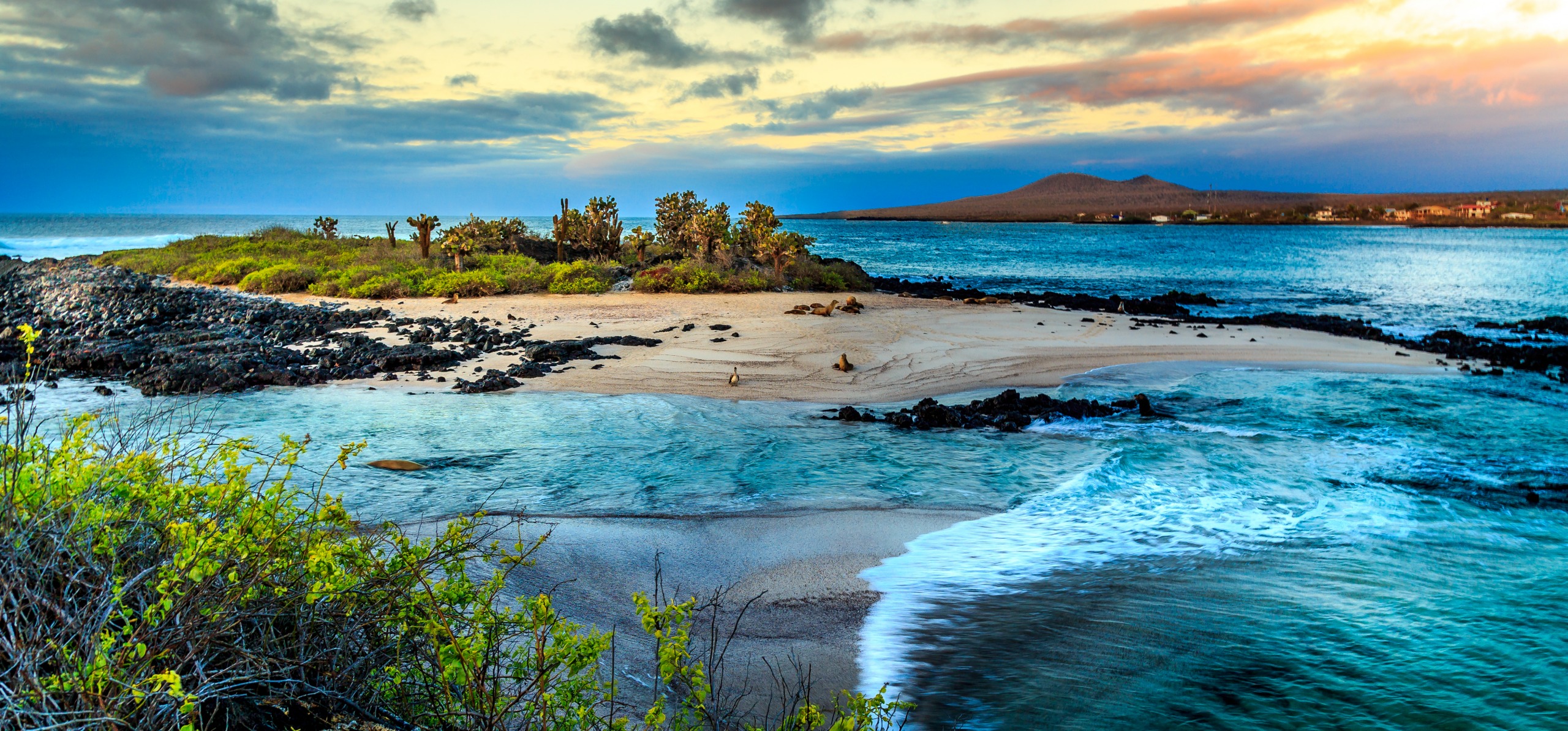
The most coherent combination remains Pacific coast and Andes via the Avenue of Volcanoes, transiting through Quito or Guayaquil. Combining the coast with Ecuadorian Amazon means crossing the entire country and only makes sense on a three-week journey. The coast can serve as a decompression before or after the Galápagos Islands, since most flights to the archipelago depart from Guayaquil. The comfort level remains decent but without luxury: beachfront boutique hotels between 60 and 120 USD per night, simple cabins between 15 and 30 USD. The coast suits contemplative travelers, families with young children (calm sea, sand, minimal walking), and surfers. Trekking enthusiasts or those interested in architectural heritage will find more to their liking in Cuenca or the Andes.