Santo Domingo de los Tsáchilas
Santo Domingo de los Tsáchilas
Bridging the highlands and coast, Santo Domingo de los Tsáchilas is the gateway city to the Tsáchila people, their red-haired shamans, and a subtropical forest brimming with biodiversity.
Santo Domingo de los Tsáchilas is a crossroads city in Ecuador, nestled on the western slopes of the Andes, at the junction between the highlands and the Pacific coast. Capital of its namesake province, the city takes its name from the Tsáchila people, whose shamans with hair dyed red with achiote remain one of the country's living symbols. The city is also a major logistics hub: roads, commerce, and biodiversity converge here in a perpetually subtropical climate.
Practical Information at a Glance
- Access: Frequent buses from Quito (around 3 hours) and Guayaquil; no railway station.
- Climate: Warm and humid year-round, frequent rain — pack a lightweight rain jacket.
- Recommended duration: 1 to 2 days for the city and nearby Tsáchila communities.
- Dress code: Light clothing; dress modestly when visiting indigenous communities out of respect.
What to See
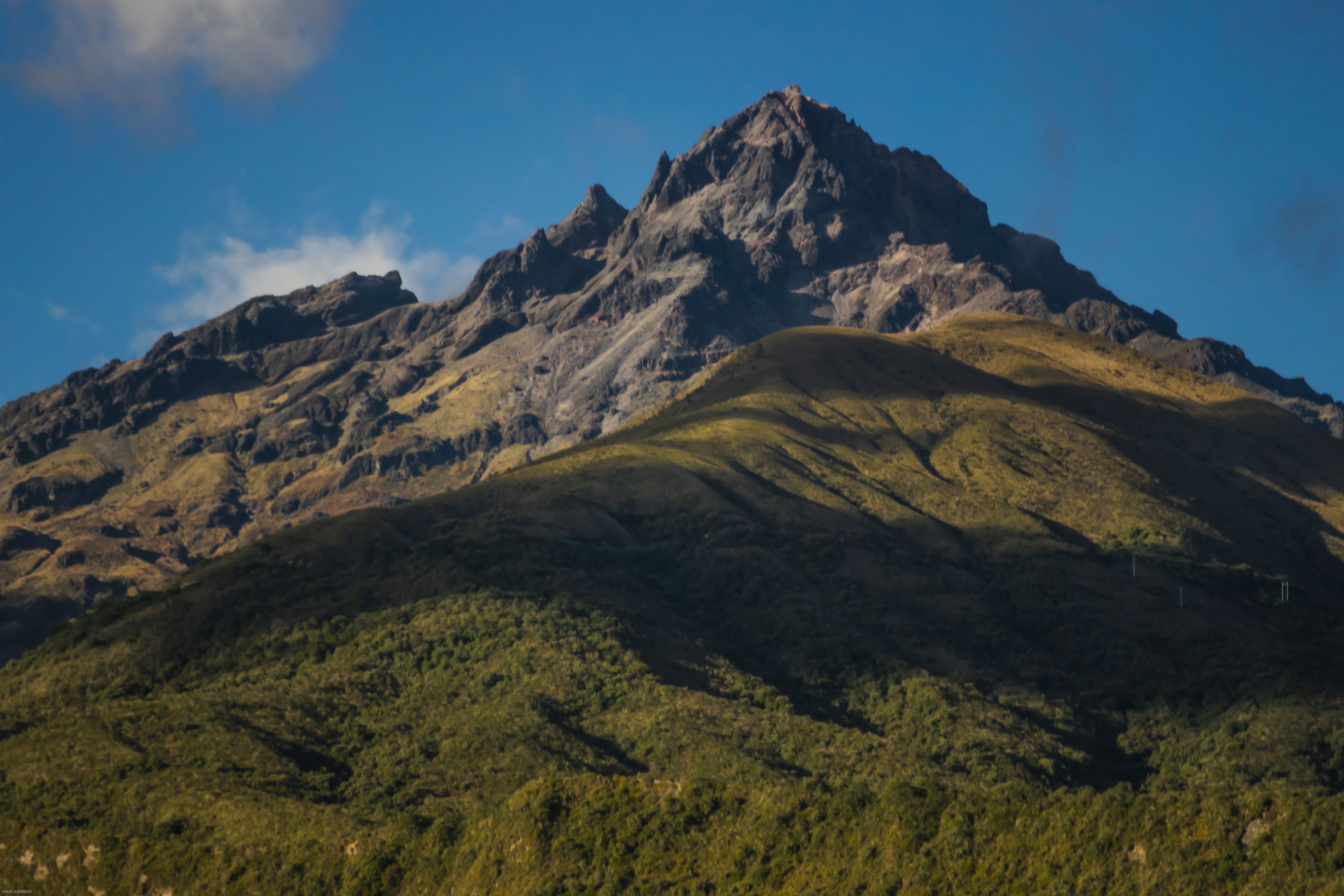
The city center revolves around the Parque Central and cathedral. Covered markets — notably the municipal market — overflow with tropical fruits, cacao, and palm heart. The city is surrounded by humid subtropical rainforest, with several private reserves accessible for day trips. The Toachi River and its tributaries offer rafting and kayaking opportunities.
History and Context
The modern city is relatively recent: it developed rapidly from the 1960s onward with agricultural settlement of the western slopes. The Tsáchila people, by contrast, have inhabited this territory for centuries. Reputed healers, their shamans — called pone — use medicinal plants and rituals passed down through generations. Today, around 2,000 Tsáchilas live in eight communities surrounding the city.
Highlights of Your Visit
Tsáchila Communities
Several communities — including Chigüilpe and Otongo Mapalí — welcome visitors. Discover body-painting traditions using achiote, ritual dances, and plant-based medicine. Some offer cabañas for overnight stays and deeper immersion.
Nature Reserves and Subtropical Rainforest
The region harbors remarkable biodiversity: tropical birds, butterflies, and orchids populate nearby forests. Private reserves like Tinalandia are renowned for bird-watching, with hundreds of species recorded.
Rafting on the Toachi
The Toachi River offers rapids suitable for both beginners and experienced paddlers. Local agencies organize day trips from the city.
Photography Tips
Ceremonies and portraits in Tsáchila communities require prior permission — always ask before photographing. Early morning light, before midday clouds roll in, is ideal for rainforest landscapes. Markets are most lively and photogenic early in the morning.
Location and Access
Santo Domingo lies roughly 130 km west of Quito along the Pan-American Highway, in a transition zone between the Andes and coastal plains. Long-distance buses are the most convenient option. The city has a well-organized land terminal. Accessibility for people with reduced mobility is limited in indigenous communities due to unimproved trails.
In the Surrounding Area
- Mindo — Mountain village renowned for bird-watching and waterfalls, accessible in a few hours.
- Quito — Andean capital with its UNESCO-listed historic center, approximately 3 hours' drive away.
- Baños de Agua Santa — Thermal and adventure town on the Andean slopes, accessible from Santo Domingo.
Frequently asked questions
The city is humid year-round. June through September see slightly less rain, but showers remain frequent. Pack a rain jacket regardless of season.
It's recommended to go through a local agency or contact communities that welcome visitors directly, such as Chigüilpe or Otongo Mapalí. A guided visit better respects local protocols.
Yes, the two destinations are connected by road. Mindo is a natural detour when traveling between Quito and Santo Domingo, ideal for adding a nature stop to your itinerary.
Always with their explicit consent. Ask permission before bringing out your camera, particularly during ceremonies or private moments.
Light but modest clothing is advised out of respect for local customs. Closed-toe shoes are useful for forest trails.
Want to discover this destination?
Our local advisors design your tailor-made trip.