Mindo
Mindo
Nestled in the cloud forest 80 km from Quito, Mindo is home to over 500 bird species, waterfalls accessible by traditional cable car, and butterfly farms. An ideal base for ecotourism in Équateur.
Mindo is a village cradled in the clouds, some 80 km northwest of Quito, on the western slope of the Andes. At roughly 1,200 meters altitude, it marks the transition between cloud forest and coastal lowlands. The region concentrates one of the world's greatest bird diversities, tropical butterflies, orchids, and waterfalls accessible on foot or by zipline. It's an essential base for nature lovers and ecotourism enthusiasts in Équateur.
Practical Information at a Glance
- Access from Quito: direct bus from Ofelia terminal (north Quito); journey of approximately 2.5 hours.
- Altitude: roughly 1,200 m — mild climate, bring a light windbreaker.
- Recommended duration: 2 to 3 days to combine birdwatching, waterfalls and activities.
- Attire: waterproof hiking shoes recommended; trails can be muddy.
- Accessibility: limited — most trails are unimproved.
What to See
Mindo's cloud forest is home to over 500 recorded bird species, including the Andean cock-of-the-rock, several toucan species and dozens of hummingbirds. Butterflies are everywhere: local farms breed hundreds of species visible in free flight. Wild orchids grow on tree trunks and rocks along the trails. The waterfalls — accessible via a traditional cable car called tarabita — are the other main attraction.
History and Context
Mindo was once an isolated agricultural village, known only to ornithologists. In the 1990s, pressure from an oil project mobilized residents and environmental NGOs, helping to have the area designated as a protected reserve. Today, the Reserva Mindo-Nambillo covers over 19,000 hectares and serves as a model for community ecotourism in Latin America.
Highlights of Your Visit
Bird watching at dawn
The early morning hours are the most active. Certified local guides offer outings starting at 5:30 a.m. on marked trails. The Andean cock-of-the-rock, with its vibrant orange plumage, gathers in leks (collective mating displays) in specific forest areas.
The Tarabita and Waterfalls
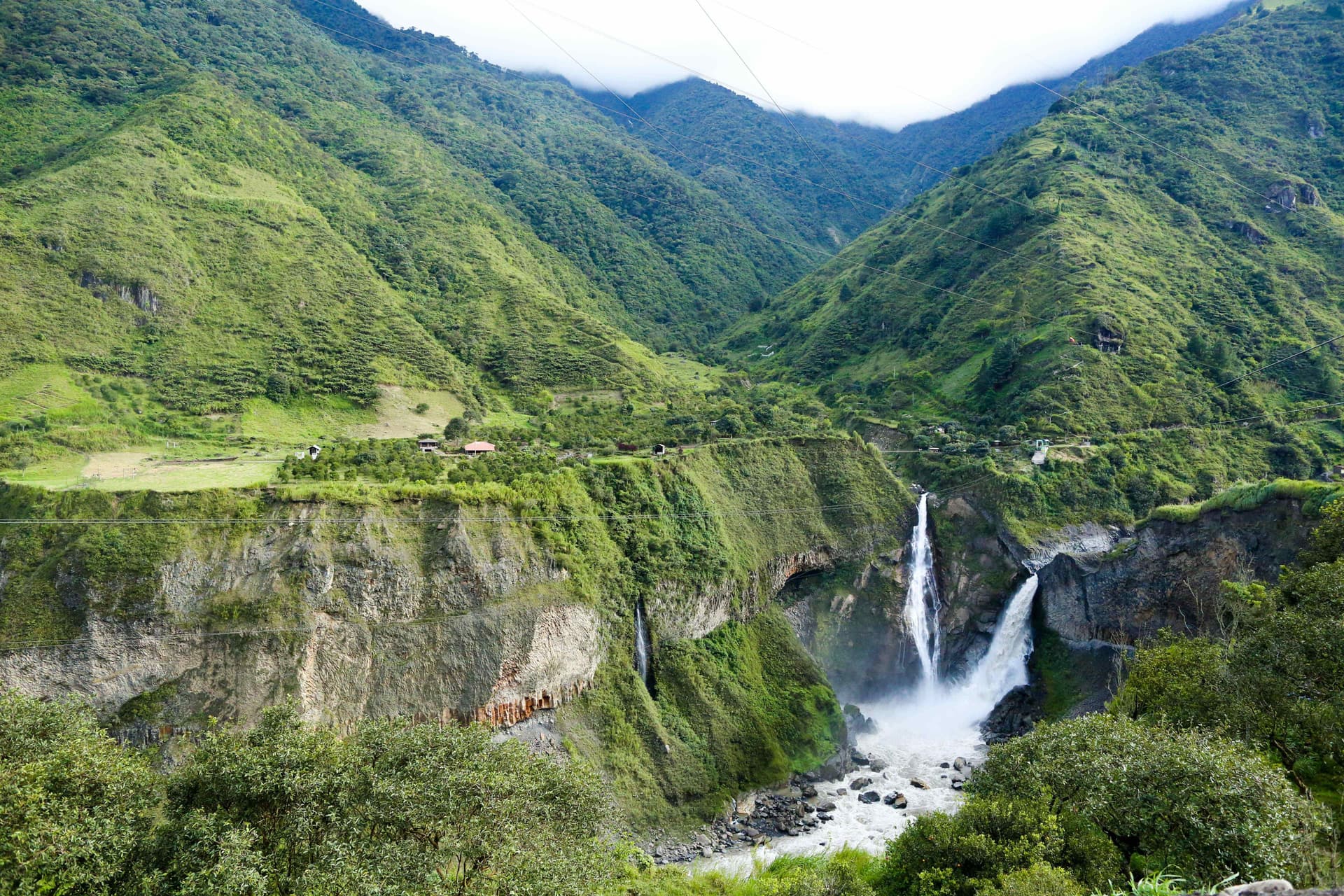
A rudimentary cable car — the tarabita — crosses the forested canyon to reach a network of trails leading to several waterfalls. The most visited, Cascada Nambillo, is discovered after approximately 45 minutes of hiking through the forest. The water tumbles into a natural pool where swimming is possible.
Butterfly and Chocolate Farms
Several village farms raise tropical butterflies in greenhouses open to visitors. The region also produces fine cacao: tasting workshops and artisanal chocolate-making sessions are offered by local producers.
Ziplining and Canyoning
Local operators offer ziplines over the canopy and rappelling descents along waterfalls. These activities suit adults in good physical condition; no prior experience is required for introductory circuits.
Photography Tips
Light is best in early morning, before mist rises. For birds, a telephoto lens (300 mm minimum) is essential. Waterfalls photograph well mid-morning when light penetrates the canyon. Avoid flash in butterfly farms — it disturbs the insects.
Location and Access
Mindo lies roughly 80 km northwest of Quito, on the road descending toward the Pacific coast. The bus from Ofelia terminal is the most common option. By car, the scenic route passes through the Calacalí pass and offers views of both Andean slopes. The village is compact and walkable; bicycles and tuk-tuks are available to reach more distant sites.
Nearby Attractions
- Quito — Historic Centre: approximately 2.5 hours away, the UNESCO-listed colonial centre is a natural stop before or after Mindo.
- Mitad del Mundo: the equator monument, on the road between Quito and Mindo, deserves a stop.
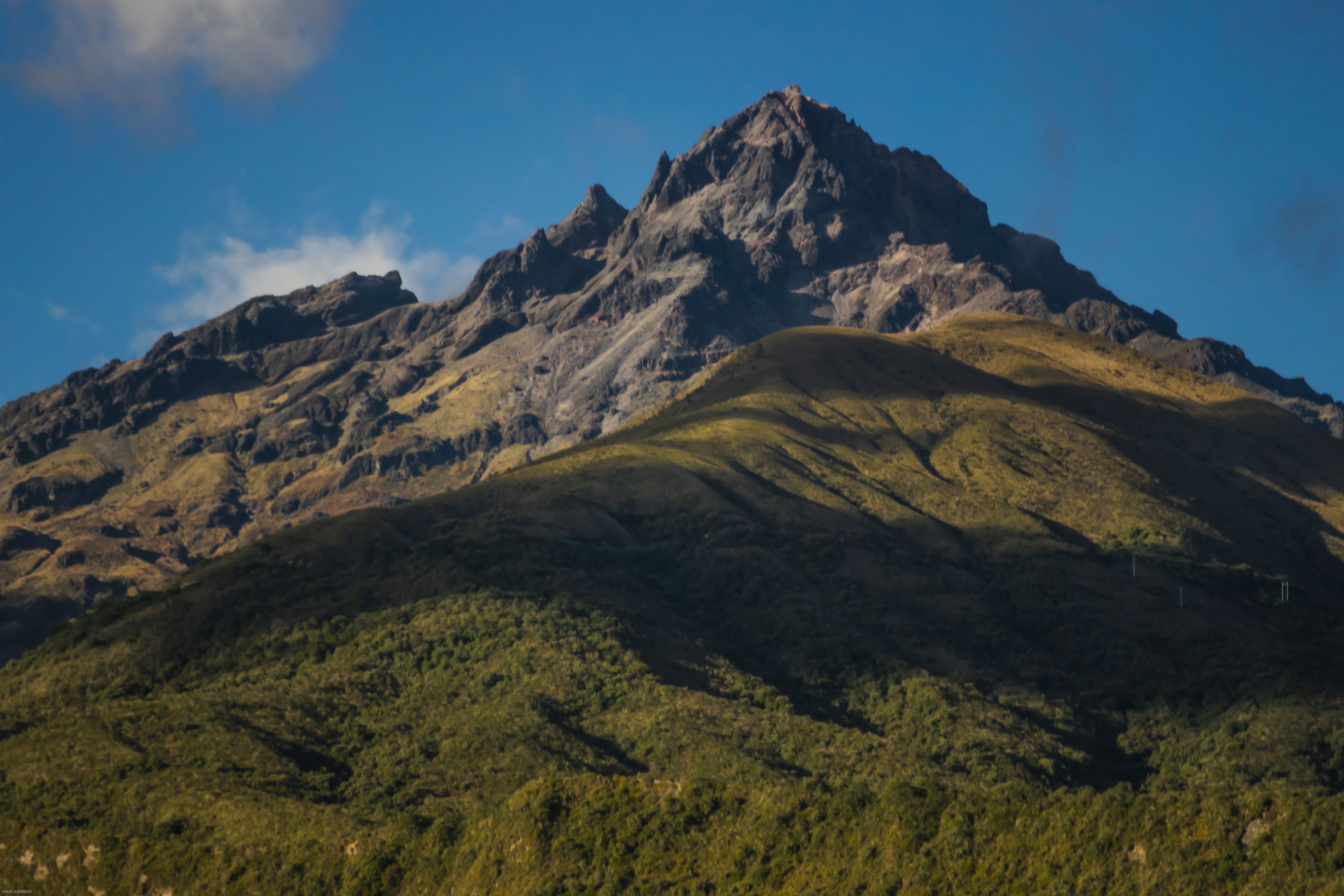
- Volcan Pichincha: visible from the road, accessible from Quito by cable car for hiking on the volcano's slopes.
Frequently asked questions
The dry season, June to September, offers less muddy trails and clearer visibility. The rainy season (October to May) is however favorable for bird watching, with birds more active and numerous.
A local guide is strongly recommended: they know the lek areas, rare species and best times. Several certified guides are available directly in the village.
Yes, it's the classic itinerary. Mindo is visited as a 2-3 day excursion from Quito, or as a stop on the route to the Pacific coast.
Established operators provide equipment and supervision. Favour providers recommended by your accommodation or the local tourism office.
Waterproof hiking shoes, lightweight trousers, windbreaker and insect repellent. Rain can occur anytime, even in the dry season.
Mindo has a good choice of ecotourism lodges and hostels in and around the village. Booking in advance is advised during peak season (July-August) and weekends.
Want to discover this destination?
Our local advisors design your tailor-made trip.