Zamora
Zamora
Zamora, capital of Zamora-Chinchipe province, opens onto southern Ecuador's Amazon region. Waterfalls, tropical forest and Podocarpus National Park make it an ideal base for nature lovers.
Zamora is the capital of Zamora-Chinchipe province, nestled in the eastern foothills of the Ecuadorian Andes, at the confluence of the Zamora and Bombuscaro rivers. Known as the "City of Waterfalls and Birds," it marks the gateway to southern Ecuador's Amazon. Its moderate altitude, nearby national park and exceptional biodiversity make it an excellent base for nature enthusiasts and hikers.
Quick practical facts
- Getting there: buses from Loja (around 2.5 hours) or from Cuenca via Loja.
- Altitude: approximately 970 m — warm and humid climate year-round.
- Suggested duration: 2 to 3 days to explore the town, waterfalls and national park.
- What to wear: light but waterproof clothing; boots recommended for trails.
What to see
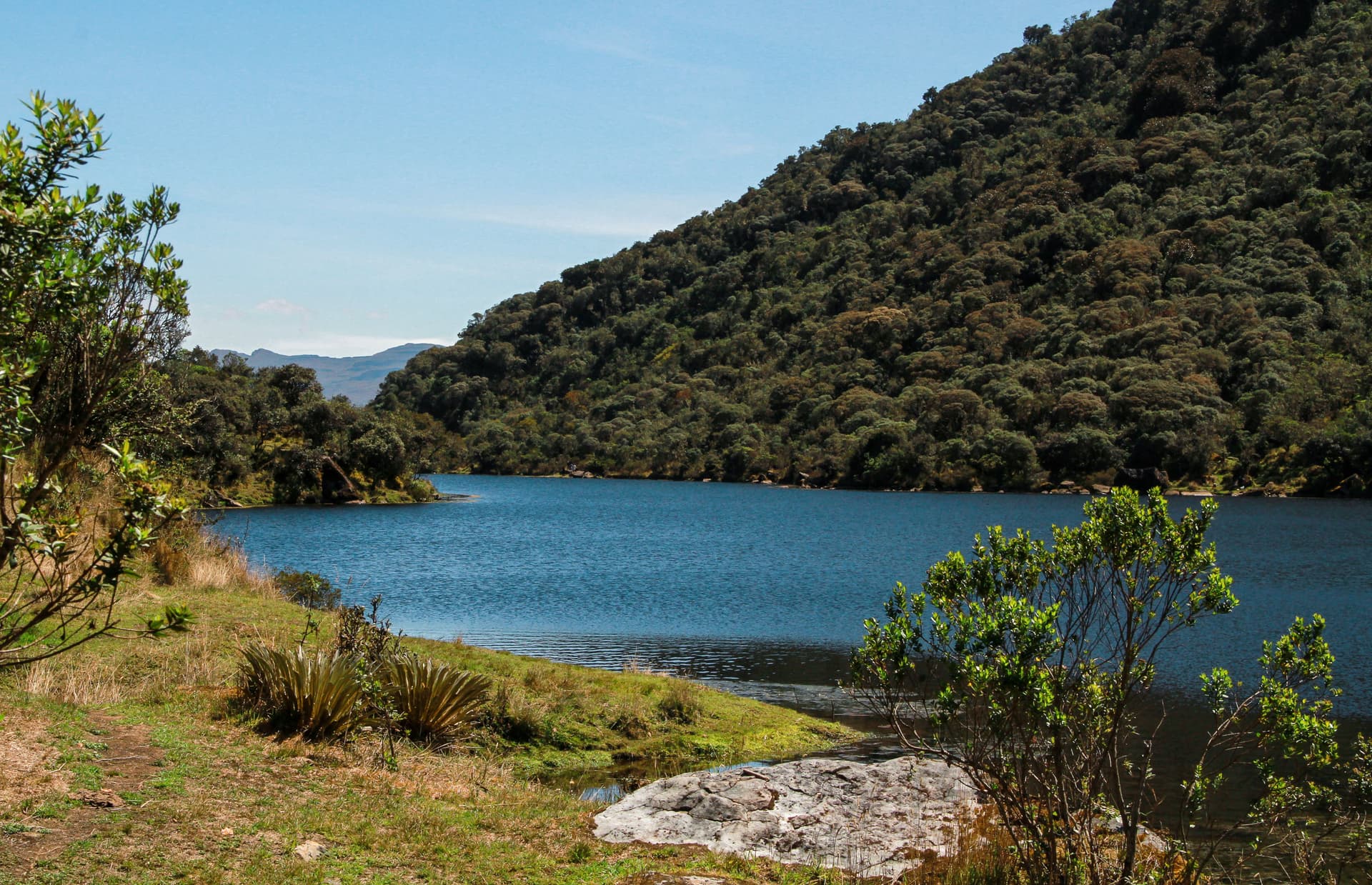
The compact town center bustles around the Parque Central, bordered by the cathedral and colorful administrative buildings. The Malecón del río Zamora offers a pleasant riverside walk. A few kilometers away, Podocarpus National Park — one of Ecuador's most biodiverse protected areas — offers trails leading to waterfalls, highland lakes and dense cloud forest.
History and context
Founded by the Spanish in the 16th century, Zamora was one of the region's first colonial towns. Its history is marked by Jesuit missions, cycles of gold extraction and border conflicts with Peru. The town remained isolated for centuries; the paved road connecting Loja was only completed in the 20th century, which helped preserve its natural environment.
Highlights of your visit
Podocarpus National Park — Bombuscaro sector
The Bombuscaro entrance lies just a few kilometers from Zamora's center. Well-marked trails traverse humid tropical forest home to over 600 bird species, many endemic to the region. Easily accessible waterfalls are the visit's main attraction.
Urban and nearby waterfalls
Zamora boasts several waterfalls accessible without special equipment. Some are found at the city's edge, others require a short hike. They give the town its nickname and are a major draw for passing visitors.
Malecón del río Zamora
The promenade along the river is where locals gather in the late afternoon. Benches, tropical vegetation and views over forested hills make it a pleasant spot to observe local life.
Birdwatching
Zamora sits on international birding circuits. Tanagers, toucans, hummingbirds and sunbirds can be spotted near the park's edges. Local specialized guides offer sunrise outings.
Photography tips
Early morning light (before 9 am) works best in the Bombuscaro sector: mist rises from the canopy and birds are active. For waterfalls, a polarizing filter reduces glare. In town, sunset from the Malecón casts beautiful tones over the verdant hills.
Location and access
Zamora sits in southeastern Ecuador, at the boundary between the Andes and the Amazon. The route from Loja is paved and spectacular, crossing the Cajanuma pass. There's no commercial airport in Zamora; the nearest is Loja (La Toma). Regular intercity buses connect the two cities.
Nearby
- Loja — cultural capital of southern Ecuador, the natural departure point before heading down to Zamora.
- Podocarpus National Park — accessible from Zamora (Bombuscaro sector) and from Loja (Cajanuma sector); cloud forest and páramo.
- Vilcabamba — village renowned for its peaceful atmosphere, around 1.5 hours from Loja.
Frequently asked questions
The region is humid year-round. June through September are generally less rainy, making hikes in Podocarpus Park easier. Birdwatching remains excellent in any season.
Trails in the Bombuscaro sector are marked and accessible without a guide. For birdwatching or more remote areas, a specialized local guide greatly enhances the experience.
Buses depart regularly from Loja's bus terminal. The journey takes around 2.5 hours on a paved road that crosses spectacular Andean landscapes before descending into tropical forest.
Two to three days allow you to explore the town center, hike the Bombuscaro sector and enjoy the waterfalls. Passionate birders can easily extend their stay.
Waterproof boots or hiking shoes resistant to moisture are essential. A light raincoat and long-sleeved clothing protect against rain and insects.
Yes. Zamora fits naturally into a circuit including Loja and Vilcabamba. Some travelers head north to Cuenca or cross the Peruvian border to the south.
Want to discover this destination?
Our local advisors design your tailor-made trip.