Papallacta
Papallacta
Located 67 km from Quito, Papallacta combines volcanic hot springs, Andean páramo, and access to Mount Antisana. Complete guide to plan your getaway.
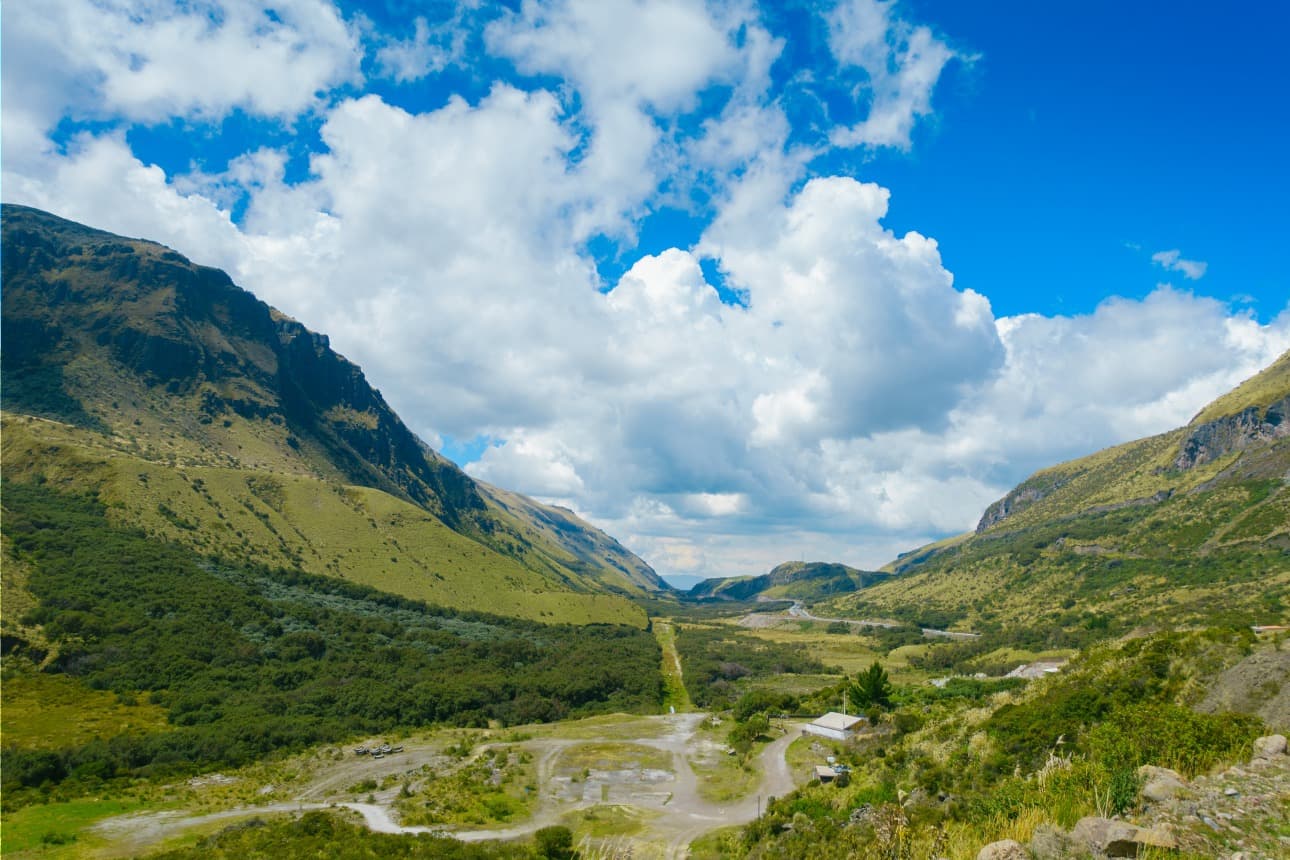
Nestled in the Andean Cordillera and blessed with a rich ecosystem, the Papallacta region is world-renowned for its alpine landscapes, thermal waters, and pristine lakes. It promises unforgettable moments filled with discovery.
History
The name Papallacta, meaning "land of potatoes," derives from the word "papa" (a tuber widely cultivated in the region) and "llacta," which means "land." The region was once considered a "Tambo"—a resting place for Inca dignitaries, shamans, and warriors.
The first settlers of Papallacta arrived around 1870, during the migration of indigenous people from Tolontag to Papallacta and Baeza.
Papallacta abandoned its status as a Caserio in 1911, later becoming a parish town in 1925.
Papallacta Today
Papallacta is a small parish town in the canton of Quito, in the province of Napo. It is located 67 km east of Quito city. Its population is modest, numbering only about 920 inhabitants.
The town of Papallacta boasts numerous historic dwellings, some dating back more than 100 years. Well preserved, these buildings stand as testament to the arrival of settlers in the region.
Gastronomy ranks among the region's greatest treasures. Signature dishes include fresh trout, chicken broth, morocho, cheese hot chocolate, delicious yucca tortillas, and the celebrated loco de papas (potato stew) for breakfast. The region is also renowned for an indigenous beverage known as Amazon guayusa. Given the area's popularity for trout fishing, local restaurateurs have built their reputation on expertly prepared steamed trout dishes.
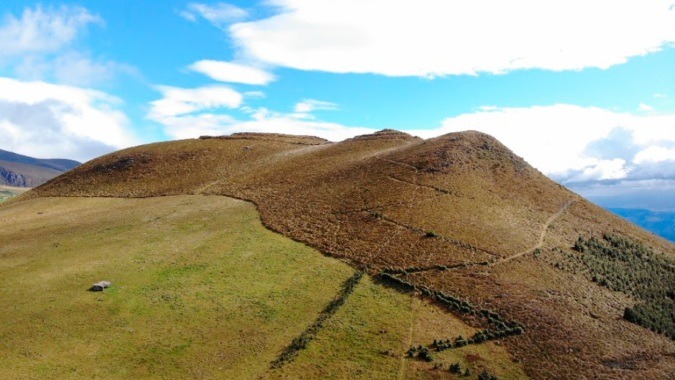
Surrounded by Andean peaks, the landscape of the Papallacta region is blanketed with páramo vegetation, providing excellent shelter for vast Andean flora and fauna. It is, in fact, a haven for the Andean condor. During excursions, you may encounter highland ducks, Andean ducks, hawks, caracaras, peregrine falcons, and hummingbirds. Among the flora, certain areas harbor rare Polylepis forests, or "paper trees." This rare endemic species thrives in the high mountains of Ecuador.
Soaking in Papallacta's Celebrated Hot Springs
The warm water feeding the Papallacta hot springs originates from two volcanoes at the region's edges: Mount Cayambe and Antisana. These waters are initially heated beneath geological layers to temperatures approaching 70°C. Rich in calcium, sulfates, chlorine, and sodium, the waters possess medicinal properties and a slightly saline taste. Thus, the hot springs have become essential stops when visiting Papallacta. Operated by private enterprises, the thermal station called Las Thermas de Papallacta ranks among the region's tourism establishments boasting some of the finest heated pools.
Climbing Ecuador's 4th Highest Peak: Mount Antisana
Located near the Antisana volcano, the town of Papallacta serves as the ideal base for preparation before mountaineering to the snow-capped summit of Mount Antisana.
Climate
Situated at over 3,300 m altitude, the Papallacta region enjoys a humid and relatively cold climate. According to the Köppen-Geiger classification, it features an oceanic climate with no dry season. With an average temperature of 14.1°C, annual precipitation averages 865.5 mm. July, the driest month, sees precipitation averaging around 20 mm. April, the wettest month, brings substantial rainfall with an average of 143 mm.
Bus
To reach the town of Papallacta, you can take buses heading to Tena from the Quitumbe terminal in south Quito, the capital. From Tena, buses also traverse the Pan-American Highway through Tumbaco and Pifo to Papallacta.
Want to discover this destination?
Our local advisors design your tailor-made trip.