San Clemente
San Clemente
At the foot of Imbabura volcano, the Quichua village of San Clemente welcomes travelers seeking an authentic Andean encounter through its family-run homestays.
San Clemente is a coastal village combining community-based tourism with adventure sports. It stands among the most promising destinations for local ecotourism growth. A visit here promises a unique adventure for those drawn to idyllic beaches and an enriching experience for lovers of rural life and authentic culture.
The San Clemente region was once renowned for the pre-Columbian Mantena-Guancavilca civilization. This civilization flourished throughout the region for over 600 years after Christ until the arrival of the Spanish in 1532–1534.
San Clemente Today
Located in the northern part of Ecuador just 10 km from Ibarra and 227 km from Quito, San Clemente is a small fishing village within Sucre canton, in Manabi province. Positioned centrally between Manta and Crucita, it lies south of Bahia and north of Canoa. With a population of only 2,000 inhabitants, it is composed primarily of Quaranquis Quichua people.
San Clemente's Landscape
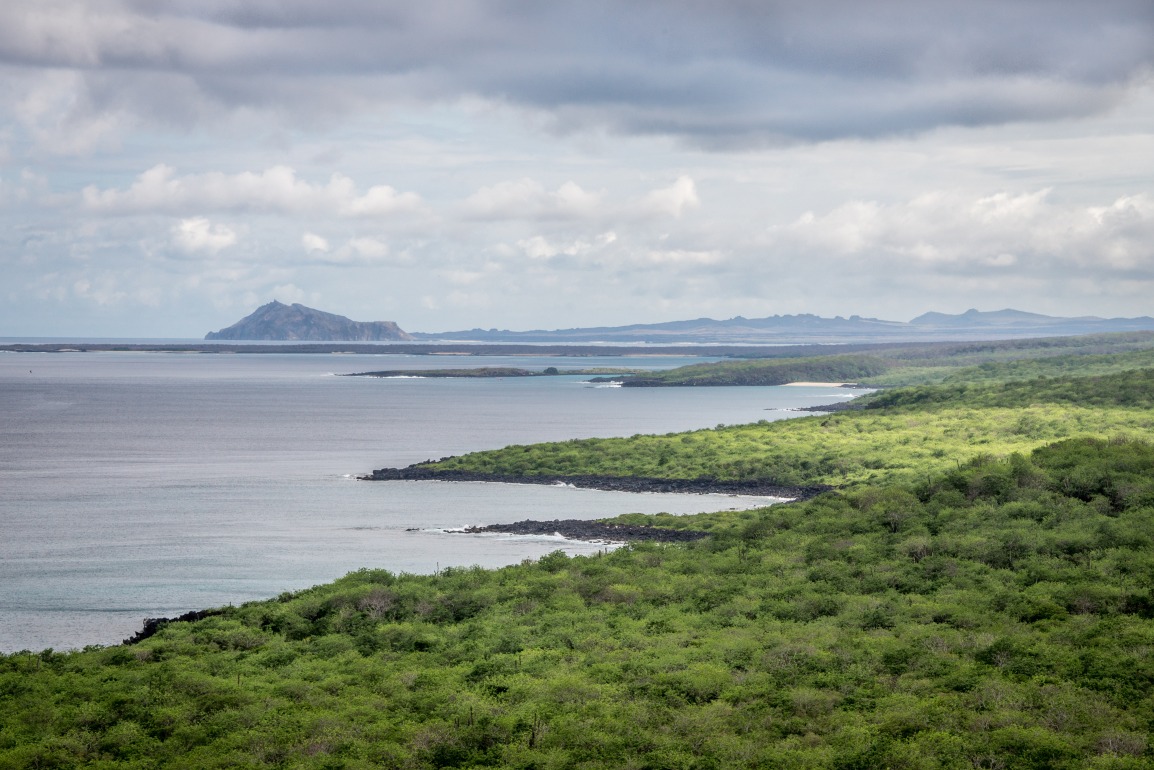
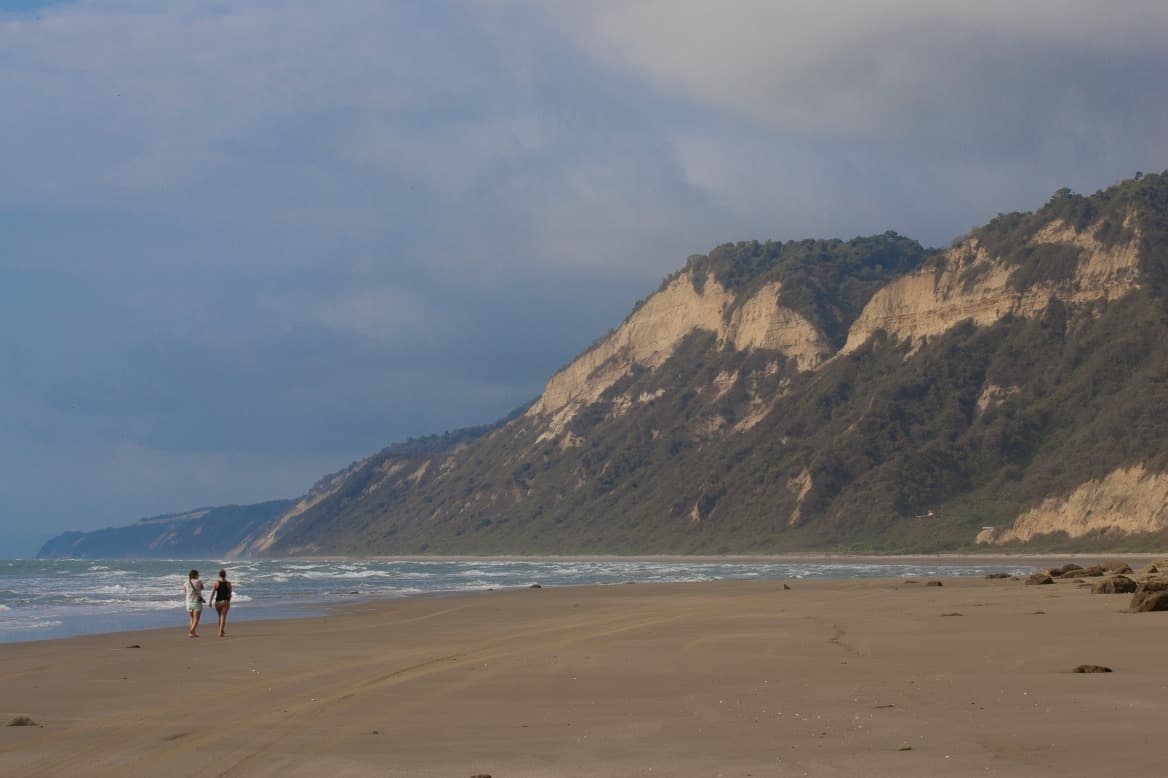
Owing to its location along the central Pacific coast, San Clemente boasts magnificent tropical beaches. Today it ranks among Manabi's "Golden Coast". The San Clemente beach stretches over 3 km and divides into two sections: Punta Bikini (the more popular area) and Playa Punta Bikini. Situated just across from town, both sections feature fine white sand adorned with tropical palms. Sunny nearly year-round and lightly populated, they are perfect for families seeking tranquility. With relatively calm, clear waters and a delightful climate, these beaches offer various water sports. During your visit, you can enjoy scuba diving, fishing, surfing, and water volleyball. Paragliding and hang gliding are also possible.
Staying in San Clemente
To address the economic vulnerability of the region's indigenous communities, local residents have organized a sustainable ecotourism initiative. This represents an important project for community-based tourism. It allows visitors to discover the lifestyle, culture, and traditions of indigenous peoples whose ancestors drew from Mantena-Guancavilca culture before Spanish arrival in 1532–1534.
The project began in 2000 under the leadership of a young indigenous couple known as Laura and Manuel Guatemal. Together with family members and neighbors, they established homestays for international tourists, enabling visitors to experience the heart of indigenous daily life and immerse themselves in Quechua culture. Today the project encompasses over fifteen host families and is grounded in local traditions, particularly the veneration of "Pachamama," Mother Earth.
Tourists staying several days with a host family can participate in daily tasks and local activities—traditional festivals, music, cooking, as well as agricultural and artisanal work.
Trekking in the San Clemente Region
Nestled at the foot of the renowned Imbabura volcano, San Clemente serves as an excellent base for organizing a trek to its summit. From the village, you can set out on foot or by 4x4 to the trailhead for the ascent. Climbing Imbabura volcano is achievable for most people, despite its elevation of over 4,630 meters.
When to Visit San Clemente
According to the Köppen-Geiger climate classification, San Clemente enjoys a desert climate. The average annual temperature is 25.6°C with average annual rainfall of 263.1 mm. To best appreciate the region's natural beauty, plan your visit between July and September, when precipitation is lowest and temperatures remain pleasantly warm.
San Clemente is accessed via National Route 36, which connects to Provincial Route No. 11, linking the village to San Jacinto, Portoviejo (45 minutes away), and Bahia de Caraquez (30 minutes away).
From Quito, the most convenient approach is to fly to Manta or Portoviejo. San Clemente lies less than an hour's drive from either city.
Want to discover this destination?
Our local advisors design your tailor-made trip.