Cotopaxi
Cotopaxi
Glaciated cone reaching 5,897 m, national park inhabited by condors and wild llamas: discover everything you need to know about visiting Cotopaxi, the crown jewel of Ecuador's Avenue of Volcanoes.
Located in Pichincha Province between the Ecuadorian Andes and southeast of Quito, Cotopaxi is an active stratovolcano. This giant of nature is considered the jewel of the Avenue of Volcanoes. It stands as one of South America's most celebrated volcanic peaks, promising unforgettable experiences for both amateur and seasoned trekkers alike.
History
Aged between 2 and 5 million years, Cotopaxi volcano was first summited on November 28, 1872, by Wilhelm Reiss and Angel Escobar. However, Alexander von Humboldt had attempted to scale it in 1802, though unsuccessfully.
Since the 16th century, the volcano has experienced approximately fifty eruptive phases, the most significant occurring in 1742, 1744, 1768, and 1877. During the most devastating eruption of 1877, the volcano destroyed numerous towns and valleys. Since 2001, the volcano has been responsible for various seismic activities. Its latest eruption took place on August 14, 2015, lasting until January 24, 2016.
Cotopaxi remains an active volcano, making it extremely dangerous. Its eruptions are particularly deadly due to its explosive nature and glaciated summit. When erupting, lava mixing with snow creates a devastating torrent. Today, Cotopaxi ranks among Ecuador's most closely monitored volcanoes. South America's first permanent seismic monitoring station dedicated to volcano surveillance was installed here in 1976.
In the Cayapa language, Cotopaxi literally means "neck of the moon." When the full moon rose directly above the volcano, the Cayapa peoples perceived the volcano as the moon's neck. However, in Carib languages, the volcano's name translates to "king of death."
Cotopaxi Today
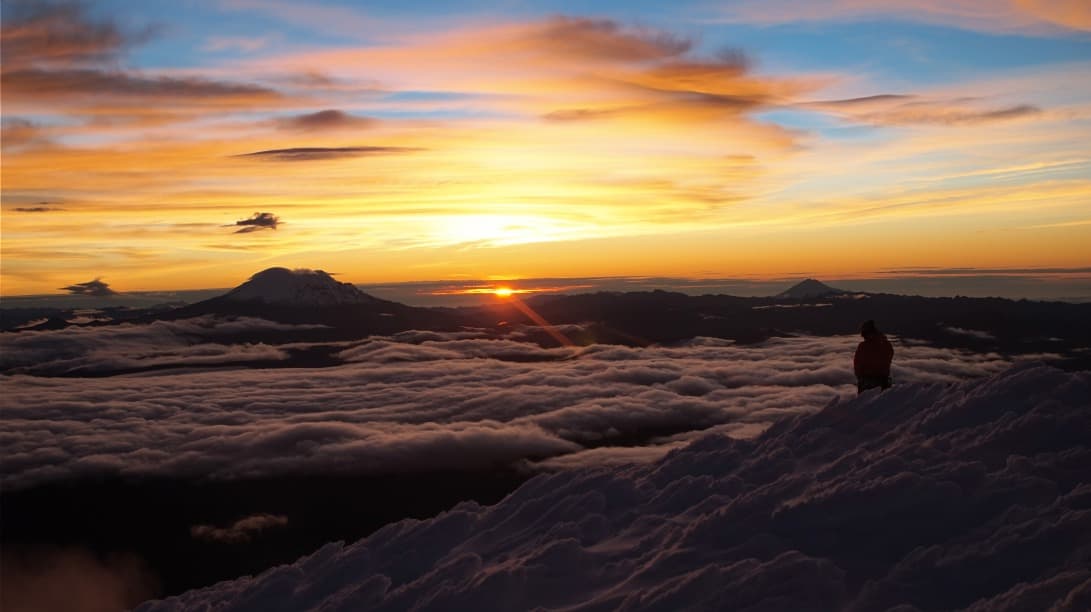
The Cotopaxi volcano towers above 5,897 m in altitude, dominating the eastern ridges of the Andean Cordillera across a 3,000 m diameter. It is the world's highest active volcano and the country's tallest. The main cone crater measures approximately 550 to 800 m in diameter. The stratovolcano comprises two interlocking volcanic formations, including a caldera and a terminal cone named Incalomma.
Known as Picacho, the caldera represents the volcano's oldest section. It collapsed slightly toward the west over 5,000 years ago. This is why the city of Latacunga faces greater volcanic risk than surrounding areas. Traveling north and southwest, this portion of the volcano appears as protruding relief formations. Conversely, Incalomma, the more recent section, covers over 280 km². It extends 22 km in length and 20 km in width.
Cotopaxi volcano is composed of basaltic andesite rock. It is also blanketed with ice and perpetual snow. Thanks to its moderate slopes, climbing this majestic natural giant is highly favored by professional mountaineers. This activity is equally ideal for beginners seeking to build climbing experience. Although its slopes are gentle, summiting nevertheless requires prior acclimatization due to the extreme altitude.
Encountering Local Biodiversity
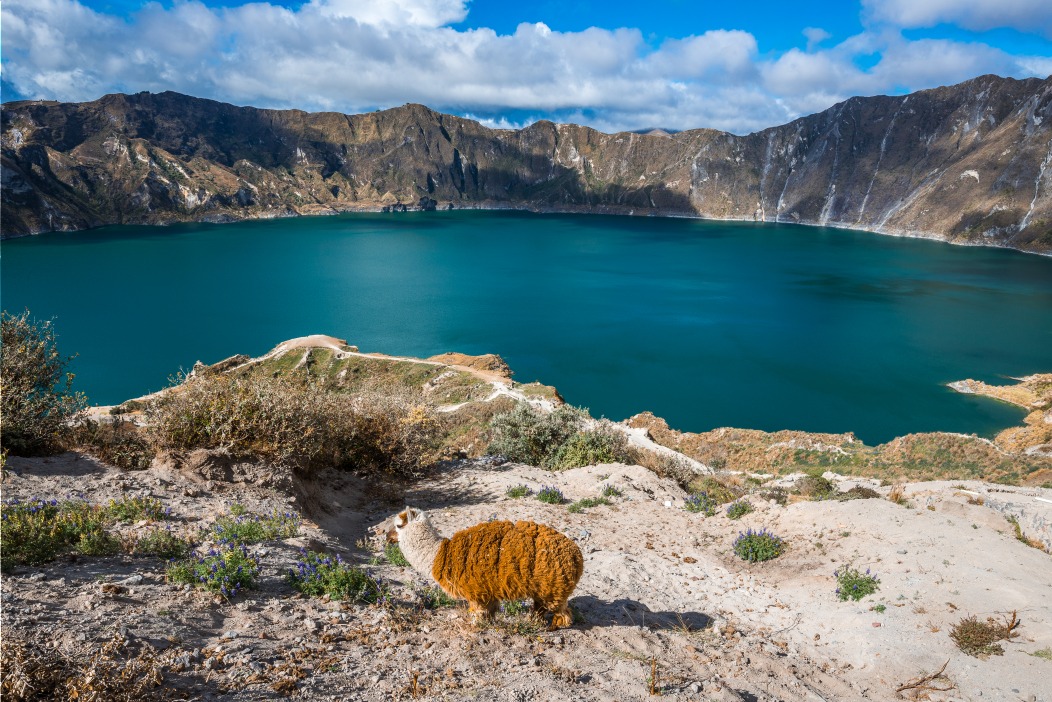
Spanning 322.55 km² of protected land, Cotopaxi National Park harbors 17 documented mammal species and 37 bird species, including the celebrated condor. The park features several trails for hiking. Whether you're a beginner or experienced adventurer, your visit offers numerous outdoor activities including trekking, horseback riding, mountain biking, and 4x4 excursions. During these explorations, you'll encounter the park's most striking attractions, encompassing landscape, fauna, and flora. You may spot wild llamas, forest rabbits, pumas, and various cervids. The fortunate few might also observe soaring condors.
From Quito, it's easiest to first reach Cotopaxi National Park before tackling the volcano itself. To do so, take a bus from Quito's southern terminal heading toward Latacunga.
Want to discover this destination?
Our local advisors design your tailor-made trip.