The Río Pastaza
The Río Pastaza
From Ecuador's Andes to the Amazon plain, the Río Pastaza flows through Baños and combines rafting, waterfalls and tarabita crossings.
The Río Pastaza originates in the Ecuadorian Andes mountains before flowing into the Amazon plain, tracing nearly 700 km of one of Équateur and northern Peru's major river systems. Near Baños, it carves a deep valley renowned for its waterfalls, tarabita cable crossings and technical whitewater rafting routes.
Why visit the Río Pastaza
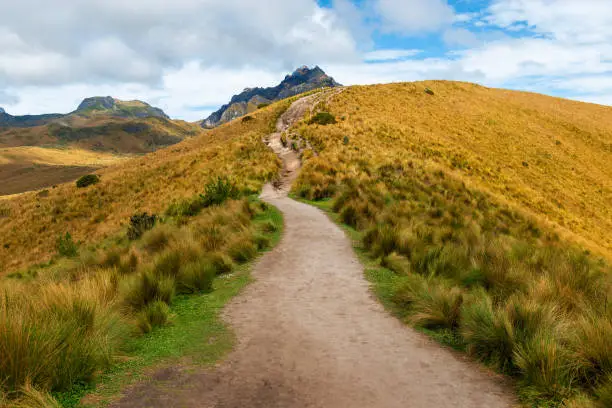
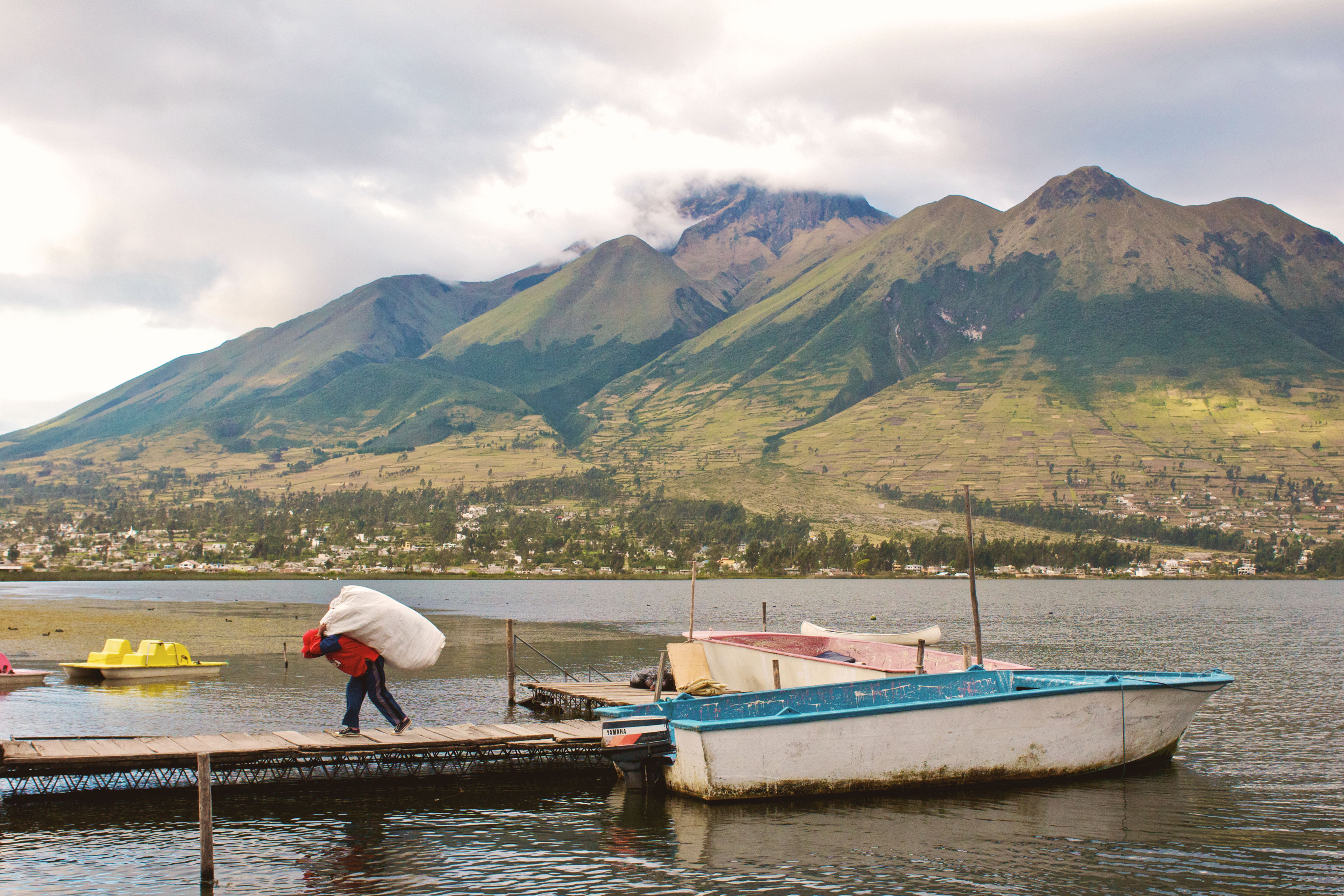
The Pastaza embodies several facets of Équateur along a single waterway. Above Baños, it winds through a region surrounded by active volcanoes like Cotopaxi and Chimborazo, passing through Andean towns such as Ambato and Riobamba. Downstream, it cuts into a deep canyon, ideal for rafting and hydroelectric power, before reaching the Amazon plain.
This geographical transition makes it an excellent destination to combine Andean landscape viewing, whitewater sports and access to some of the country's most visited waterfalls. The stretch near Baños concentrates most of the tourism infrastructure: cable cars, rafting operators and viewpoints are accessible within a few kilometres.
Geography and routes
The basin divides into two distinct sections.
Upper Pastaza
Formed by the confluence of the Ríos Patate and Chambo, the Upper Pastaza originates in Équateur, in a mountainous region surrounded by active volcanoes such as Cotopaxi and Chimborazo. The towns of Ambato and Riobamba structure this Andean section. Beyond Baños, the river crosses a deep valley, suitable for rafting and hydroelectric power, before descending toward the Amazon plain near Puyo.
Lower Pastaza
In the Lower Pastaza, the river flows southeast and then due south as it enters Peru, joining the Río Marañón on its left bank. Amazon rainfall significantly increases its flow. Navigation by large vessels remains limited by sudden floods from Andean torrents and by sediment accumulation in the lower section.
Oil fields have been discovered in its basin and in those of the Río Corrientes and Río Tigre. Their exploitation has caused significant pollution and disrupted indigenous populations in the region.
What to do on the Río Pastaza
Rafting
Between Baños and Puyo, the river offers sections rated level III to IV+ depending on the stretch and water flow. The routes suit both beginners guided on the more accessible sections, or experienced paddlers on the more challenging rapids. Professional supervision from an authorized operator is essential.
Tarabita crossing
Near the Manto de la Novia waterfall, a few kilometres from Baños, a tarabita allows you to cross the gorge. It's a metal cable car suspended from cables, an Andean crossing method that lets you observe the waterfall head-on and the river below.
Hiking and waterfalls
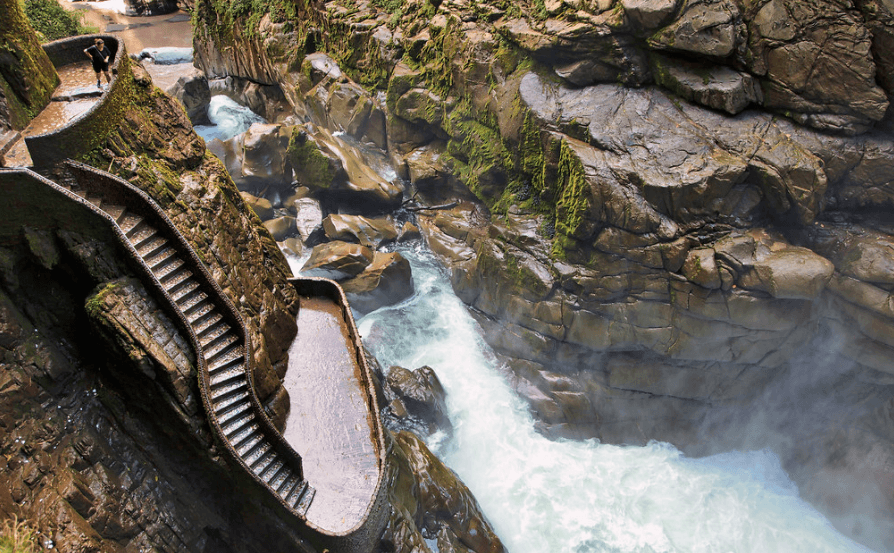
The Ruta de las Cascadas, which runs along the canyon downstream from Baños, provides access to several falls (Agoyán, Manto de la Novia, Pailón del Diablo) reachable on foot, by bike or by shuttle.
When to go
- Rainy season (November to April): higher water levels, ideal conditions for rafting on challenging sections. Trails may be slippery.
- Dry season (May to October): mild temperatures and less rainfall, the most comfortable period for hiking and waterfall exploration.
Practical information
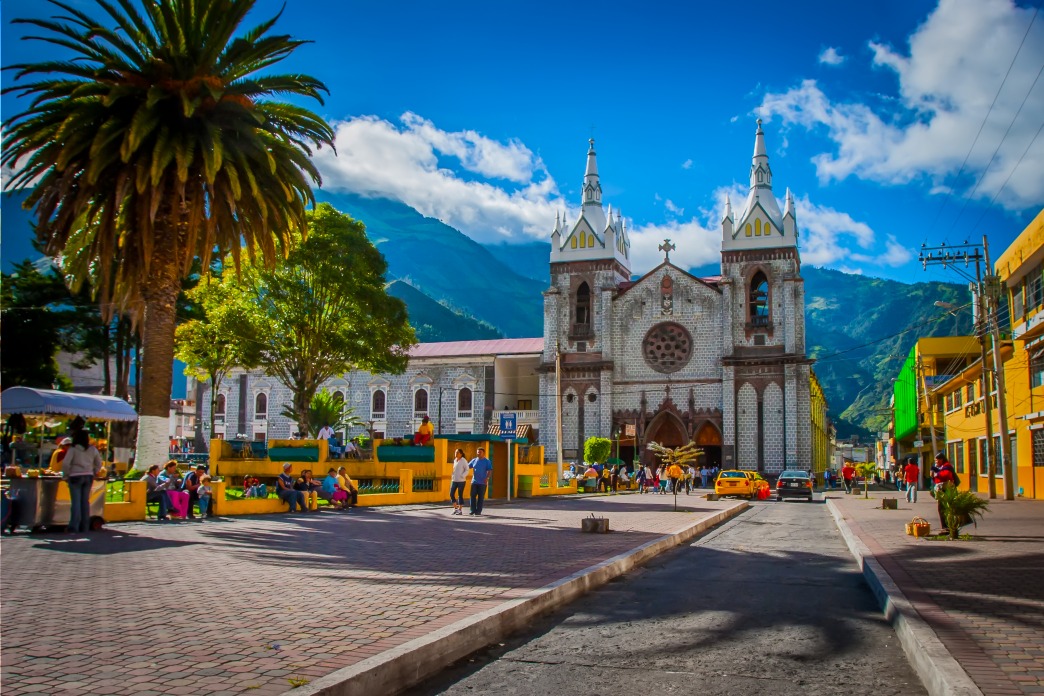
- Logical starting point: Baños, which concentrates operators, accommodation and waterfall access.
- Rafting: go through a local agency providing helmet, life jacket and certified guide. Plan for half a day on the water.
- Tarabita: moderate fee paid on site. Several crossings exist along the Ruta de las Cascadas.
- Equipment: quick-dry clothing, closed-toe shoes, rain protection. Insect repellent useful downstream toward Puyo.
How to get there
Access is from Baños, connected to Quito by bus in 3 to 4 hours via Ambato. From Baños, the Ruta de las Cascadas runs along the river toward Puyo: shared taxis, bike rentals and tourist shuttles serve the main points of interest over about thirty kilometres. For rafting trips, operators provide transfers from central Baños.
Nearby attractions
- Baños: thermal town and base for river excursions.
- El Nariz del Diablo: a breathtaking railway stretch in the same Andean region.
- Fuya Fuya: mountain peak for an acclimatization hike in the Andes.
Frequently asked questions
Frequently asked questions
The sections offered range from level III to IV+. Level III routes remain accessible to supervised beginners; beyond that, prior whitewater experience is recommended.
It's a metal cable car suspended from cables that allows you to cross a gorge. On the Pastaza, the most famous tarabita is located opposite the Manto de la Novia waterfall, near Baños.
The rainy season, from November to April, offers higher water levels and more challenging conditions. The dry season is better suited for hiking.
Not for large vessels: sudden floods from Andean torrents and sediment buildup limit navigation, especially in the lower section.
Plan your visit
The Río Pastaza fits naturally into an itinerary combining the Andes and the Amazon. To build your journey around Baños and the river, explore our Équateur trips.
Interested in this visit?
We can include it in your personalised itinerary.