Los Tuneles
Los Tuneles
A premier snorkeling destination on Isabela Island in the Galápagos, Los Tuneles combines lava arches, natural pools and exceptional marine life, just 40 minutes from Puerto Villamil.
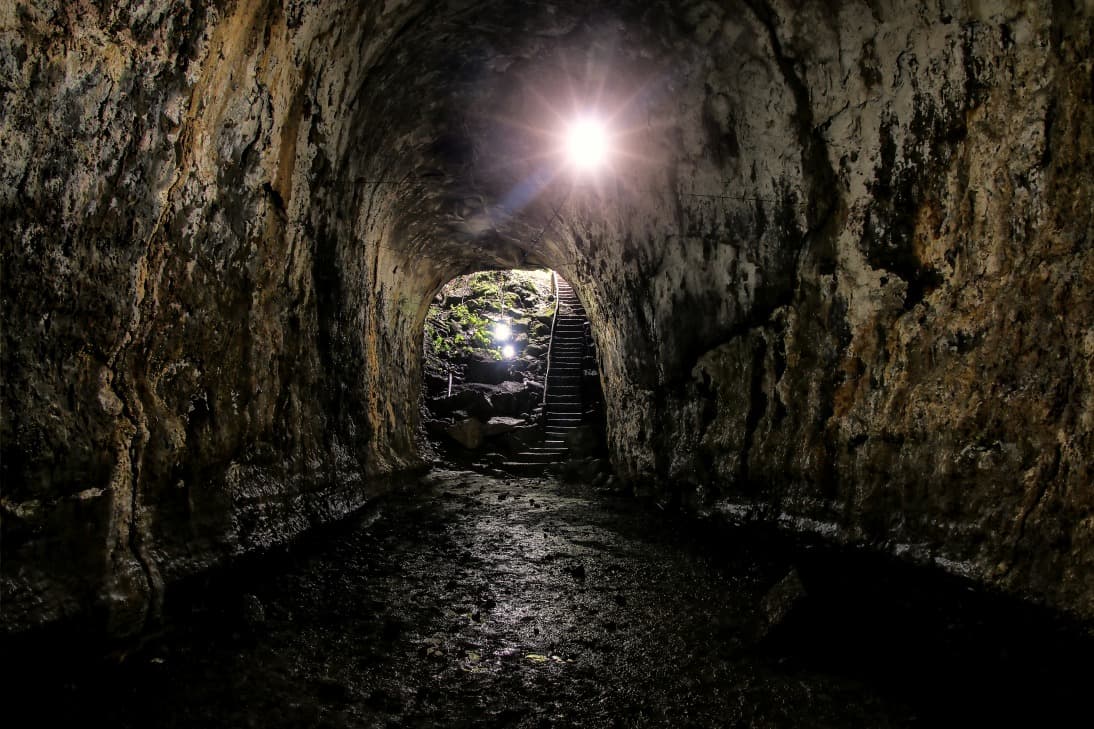
Los Tuneles, sometimes called Los Túneles or The Tunnels, is a snorkeling site located on Isabela Island in the Galápagos archipelago, approximately 40 minutes by boat from Puerto Villamil. The site owes its name to the lava arches and tunnels formed by the collapse of lava flows under the action of waves, creating a labyrinth of natural bridges, caves and pools teeming with remarkable marine life.
Why Visit Los Tuneles
The site combines two assets rarely found together in the Galápagos: a singular geological landscape on the surface and a snorkeling spot accessible to intermediate-level swimmers. The waters are generally calm, sheltered by the lava formations, which makes observing marine life far more comfortable than at sites exposed to open swell. It's also one of the few places in the archipelago where you can see, within a single excursion, blue-footed boobies on the surface, sea turtles in the lava pools and white-tipped reef sharks in the submerged tunnels.
What to See
The Lava Landscape
The collapsed lava flows form low arches and natural bridges above turquoise waters. On the rough rock grow cacti, sometimes in dense colonies, as well as Palo Santo (sacred wood) and carob trees. The contrast between the black lava, the arid vegetation and the transparent pools creates the site's most iconic image.
Surface Wildlife
From the boat and when stopping at the lava platforms, you can observe several emblematic species of the archipelago:
- blue-footed boobies, often perched on rocks at eye level
- Galápagos penguins, the world's only penguin species living at the equator
- frigatebirds and flamingos in nearby lagoon areas
- sea lions and marine iguanas on flat surfaces
Sea turtles frequently rise into the natural pools, making them visible even without entering the water.
Underwater Wildlife
The snorkeling zone extends over approximately 800 meters. Water temperature averages around 20°C during the cool season and can rise substantially from December to May. Beneath the surface, you'll encounter:
- manta rays, eagle rays, stingrays and golden rays
- sea snakes and seahorses
- lobsters in crevices
- white-tipped reef sharks, sometimes resting under the arches, some exceeding one meter in length
Practical Information
Access to the site is strictly regulated: visits occur only as part of an organized excursion led by a naturalist guide certified by the Galápagos National Park. A typical excursion lasts approximately 5 to 6 hours and generally includes refreshments, snorkeling equipment (mask, snorkel, fins, wetsuit) and guided interpretation.
The required skill level remains accessible: this is snorkeling, not scuba diving. Being able to swim and comfortable in deep water is sufficient. A neoprene wetsuit is recommended, as the water can be cool.
When to Visit
The dry season, from June to November, is generally considered most favorable: calmer waters, better underwater visibility and increased presence of several species. The warm season (December to May) offers warmer water and brighter skies, conditions appreciated for surface photography. Neither season is prohibitive; your choice depends mainly on the rest of your Galápagos itinerary.
How to Get There
Departures are from Puerto Villamil, the main village on Isabela Island. Two options:
- From Isabela: direct trip of approximately 40 minutes by speedboat. This is the most comfortable and most common option.
- From Santa Cruz: possible as a full-day excursion, but requires a preliminary maritime transfer of 2 to 3 hours to Isabela, then the journey to the site. The day is long.
To reach Isabela, plan for a domestic flight from the mainland to Baltra or San Cristóbal, then a passage by public boat.
What to See in the Region
To extend your discovery of Équateur beyond the Galápagos, several mainland sites deserve a detour:
- Cuicocha Lake, a crater lake in the Northern Andes
- El Nariz del Diablo, the renowned Andean railway section
- Río Pastaza, gateway to Ecuadorian Amazonia
- The Church of the Jesuits in Quito, a colonial baroque masterpiece
Frequently Asked Questions
Frequently asked questions
Plan Your Journey
Los Tuneles integrates naturally into a circuit devoted to the Galápagos, itself often combined with the Andes or Amazonia. To build a coherent itinerary, consult our trips to Équateur.
Interested in this visit?
We can include it in your personalised itinerary.