Guaranda
Guaranda
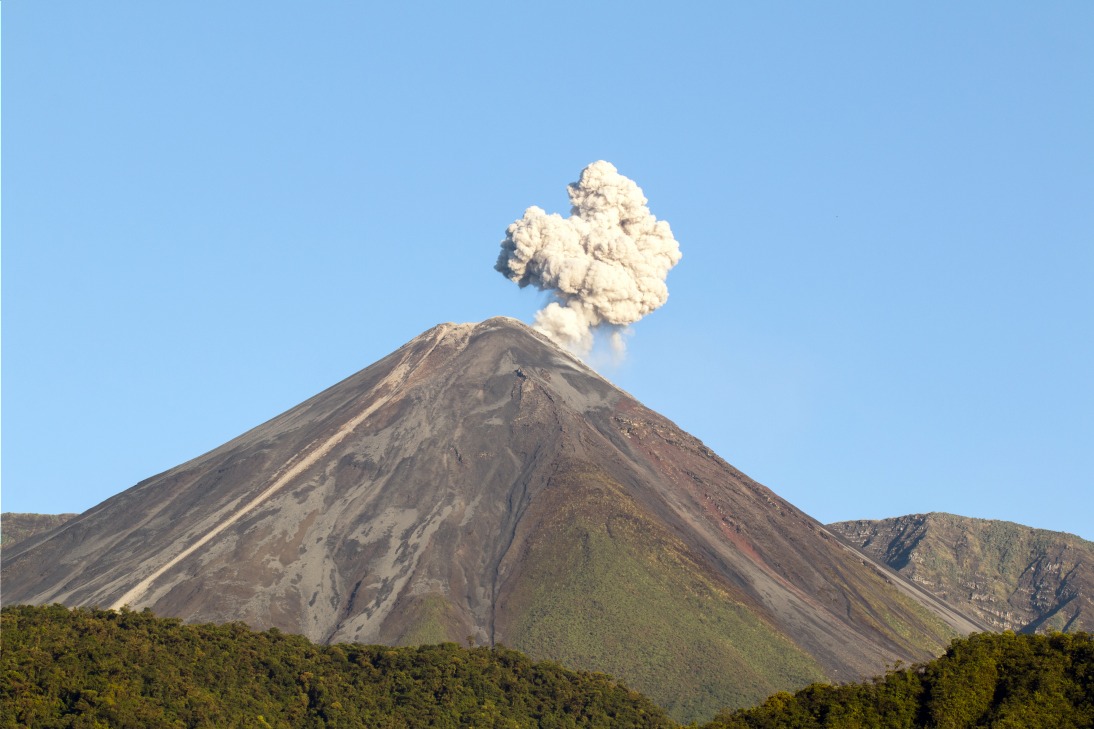
Perched at 2,668 m on seven Andean hills, Guaranda captivates with its colonial center, vibrant carnival, and proximity to Chimborazo and Salinas.
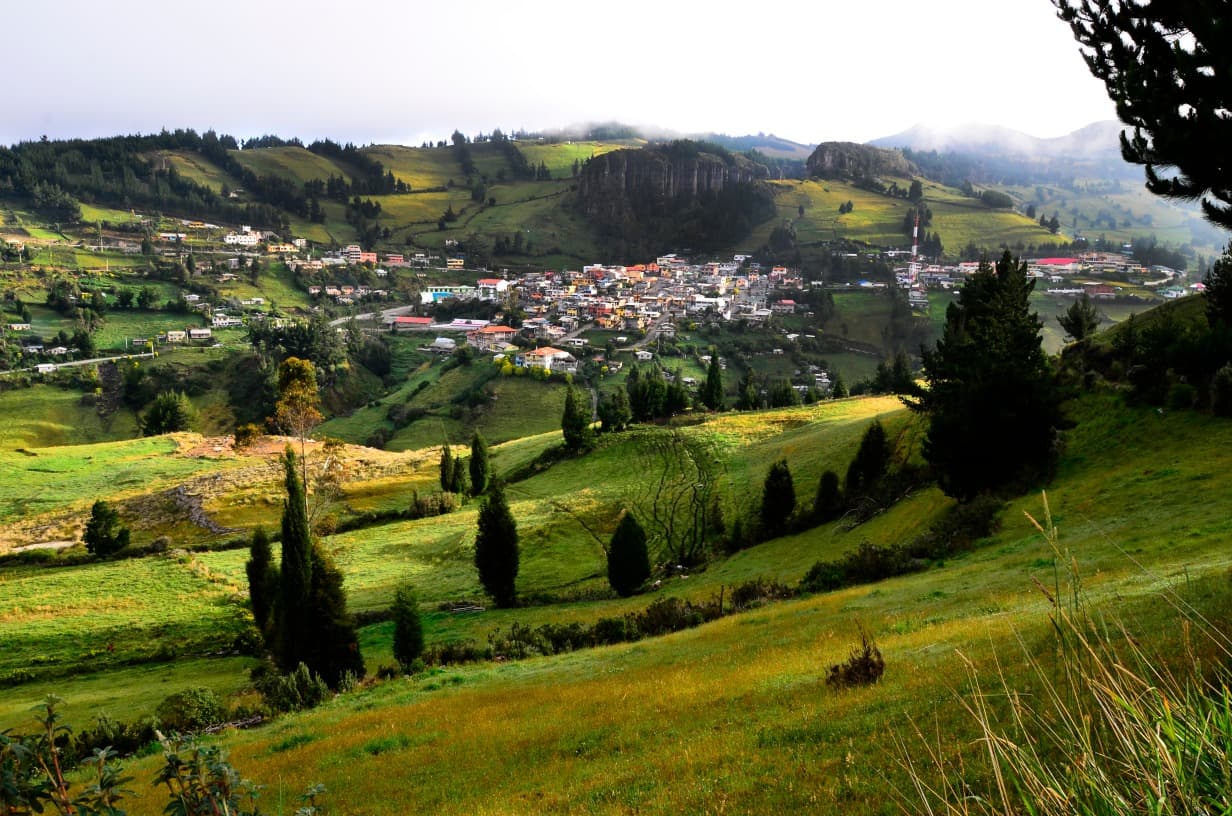
Guaranda, commonly called San Pedro de Guaranda, is a colorful and festive Ecuadorian city. It is a calm and peaceful place blessed with an attractive setting surrounded by hills. It charms visitors through the beauty of its landscapes and historic architecture, the richness of its culture and history. It is considered the cradle of cultural, historical, and community identity in Bolivar Province.
History
The city of Guaranda was founded by Spanish explorers in 1571.
Due to its geographical location, Guaranda was frequently struck by earthquakes. It survived the tremors of 1674 and 1775 and was rebuilt twice as a result.
During the 1905 revolution, Guaranda was one of two Sierra garrisons to rise up. Its own revolution was thus led by Eloy Alfaro and aimed to save liberal reforms.
Guaranda Today
Spanning approximately 519.56 km² and elevated at over 2,668 m altitude, the city of Guaranda is the capital of the canton bearing its name and the capital of Bolivar Province. It is one of Ecuador's smallest cities. It has only 3 urban parishes and 3 rural parishes. Its population counted approximately 55,374 inhabitants in 2011, with Quechua Indians representing the majority.
Being the largest economic and commercial center of the province, Guaranda is a city with significant commercial activity. For this reason, it hosts numerous large financial and commercial organizations. However, its economy is based primarily on agriculture, livestock, and commerce. Micro-enterprises in the region are developing in the Salinas parish, 29 km from the city. About a dozen community micro-enterprises are registered there, including small food businesses, cosmetic products, sports equipment, and clothing manufacturers.
Guaranda is an important cultural and tourism center of Ecuador. As such, it offers visitors diverse tourism activities. To discover the folkloric traditions and popular festivities of its inhabitants, the best season to visit is during the celebration of the Guaranda carnival. Ecotourism enthusiasts can venture off the beaten path to discover the natural beauty of the region. In contrast with the landscape, certain city architectures are genuine attractions for their ingenious construction.
Guaranda's Historic Center
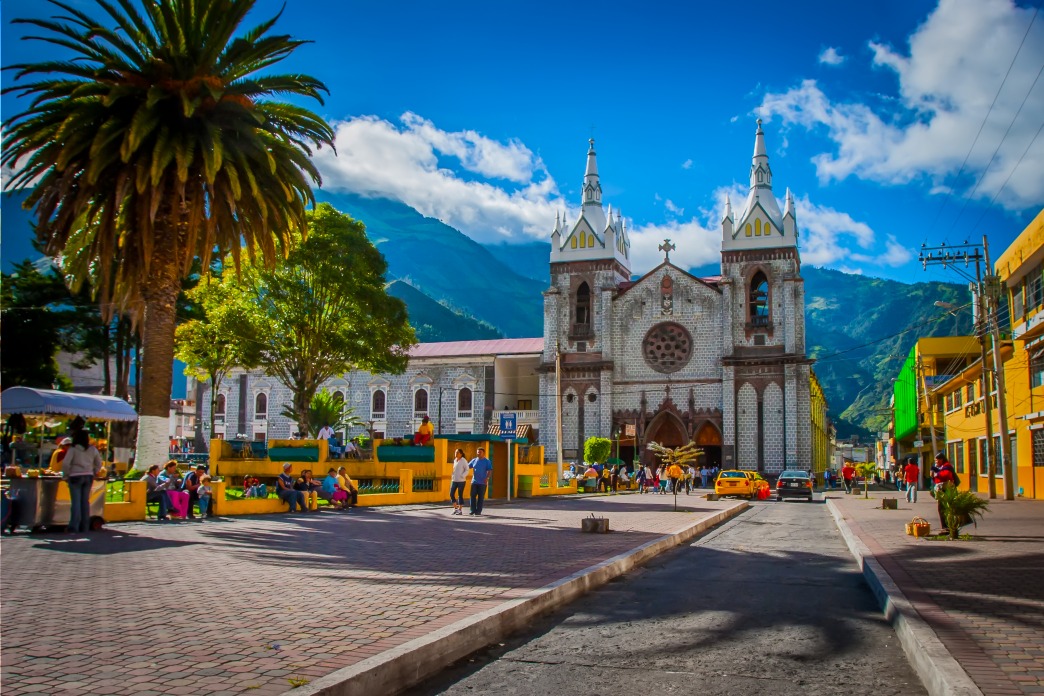
The city of Guaranda is a cultural center for Ecuador. It was officially declared a cultural heritage site of the country on October 23, 1997 thanks to its historic center, which showcases its finest architecture and historic monuments. The city's urban center is arranged around the Libertador Simon Bolivar Park. Within the park stands a statue of this hero designed by a celebrated Ecuadorian artist known as Oswaldo Guayasamin.
The center comprises a collection of houses built with indigenous materials and ingenuity marking the late 19th century, alongside majestic and impressive architecture such as the cathedral and the towers of Iglesia Santa Marianita de Jésus. It is most pleasant to wander through the narrow paved streets that branch in all directions and admire its magnificent historic homes.
Making the Most of Guaranda's Festival
The Guaranda festival is one of the most popular festivities in Ecuador. The city is consequently nicknamed the "Eternal Carnival City." It allows visitors to discover local culture such as dance, music, and song. The carnival is thus the essence of cultural identity in Bolivar Province. Celebrated in February, a few days before Lent, this festival is a heritage of the blend of ancient and Catholic traditions with those of Indigenous and Afro-American cultures. This is why it ranks among Ecuador's most important celebrations.
As in all other Ecuadorian cities, Guaranda's inhabitants experience at least 4 days of vibrant festivities promoted by a mosaic of colorful beliefs and traditions. During the celebration, everyone participates; even foreigners are not excluded. All participants engage in water, flour, egg, and foam battles. Thousands of people gather in the streets to witness the famous carnival float parade in joy and good spirits.
Venturing Beyond the City
For ecotourism, Guaranda holds considerable potential. Exploring off the beaten path is a fascinating activity for ecologically-minded visitors. This city nestles amid seven steep hills, hence the origin of its nickname "Rome of the Andes" or "the city of seven hills." By climbing these hills to their summits, you can enjoy a magnificent panorama of the city. On Cruz Loma hill, it is also possible to visit the statue of El Indio Guarani and the small museum nearby.
Climate
According to the Köppen-Geiger classification, the Guaranda region experiences a warm oceanic climate with no dry season. In July (the driest month of the year), average precipitation still reaches 6.4 mm. In February when precipitation is most significant, rainfall averages 48.3 mm.
Over the year, the average temperature is 14.2 °C. It reaches 14.8 °C in November and 13.2 °C in July.
Bus
The city of Guaranda is crossed by the famous E491 highway, a 99 km section extending from Ambato to Babahoyo in the coastal plain. Following this route, buses heading to Guayaquil serve the city daily. Multiple buses from other Ecuadorian cities such as Quito, Riobamba, and Ambato pass through the region. It is also possible to take daily buses from San Luis de Pambil.
Want to discover this destination?
Our local advisors design your tailor-made trip.