Valle del Chota
Between Ibarra and Tulcán, the Chota Valley is home to Ecuador's Afro-Ecuadorian community of the Andes. Bomba music, local gastronomy and semi-arid landscapes make it a unique cultural stop in Ecuador.
The Chota Valley stretches between the provinces of Imbabura and Carchi, approximately 35 km north of Ibarra. Carved by the Río Chota, this arid depression contrasts sharply with the lush Andes surrounding it. It is known as the cradle of the Afro-Ecuadorian community, whose presence dates back to the colonial era. The bomba music, gastronomy and agricultural traditions make it a cultural territory of its own in Ecuador.
Practical Information at a Glance
- Access: from Ibarra, the Pan-American highway north (E35) crosses the valley — journey of approximately 35 km.
- Transport: regular buses from Ibarra's terminal heading to Pimampiro or Tulcán pass through the valley; stops in the villages of Chota, Ambuquí and Carpuela.
- Recommended duration: a half-day to a full day depending on activities.
- Dress code: no clothing restrictions; bring light clothing (warm and dry climate).
- Altitude: approximately 1,500 m — notable heat, sun protection essential.
What You'll See
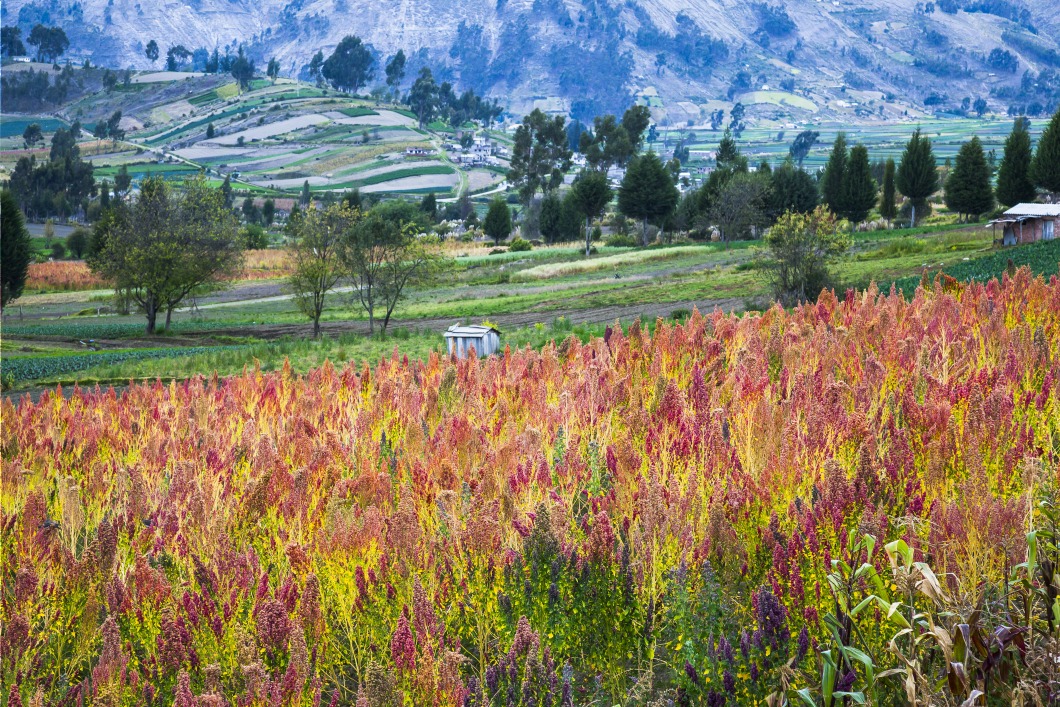
The landscape is semi-arid, dotted with cacti and irrigated crops of sugar cane, tropical fruits (mangoes, avocados, guavas) and vegetables. Villages like Carpuela and Ambuquí concentrate Afro-Ecuadorian community life. Colorful murals, dance spaces and small local markets dot the main road.
History and Context
The ancestors of the current inhabitants were brought as slaves by Jesuits in the 17th and 18th centuries to work on sugar plantations. After the abolition of slavery, communities remained in the valley, developing a culture of their own. Today, the Chota Valley is recognized as the primary center of Afro-Ecuadorian culture in the Andes, distinct from Afro-descendant communities on the Pacific coast.
Highlights of Your Visit
Bomba Music
Bomba is a musical and dance genre unique to the valley, played with a cylindrical drum of the same name. Local groups perform during community celebrations and certain events organized for visitors. It is the region's most emblematic cultural expression.
The Village of Carpuela
Carpuela is considered the cultural heart of the valley. You'll find artisans, musicians and community tourism initiatives that allow you to meet local families, taste traditional cuisine and witness bomba demonstrations.
Ambuquí's Hot Springs
The Ambuquí area features thermal pool complexes fed by natural springs. It's a frequent stop for Ecuadorian families on weekends.
Local Gastronomy
Roadside restaurants serve Afro-Ecuadorian specialties: guandul (pigeon pea soup), fried river fish, fresh tropical fruit juices and sweets made from sugar cane. The fruit stalls along the Pan-American highway are unmissable.
Photography Tips
Morning light is ideal for photographing the arid landscape and terraced crops. Portraits and scenes of daily life always require the consent of the people. Village murals offer colorful backdrops. Avoid midday: the heat creates a light haze that flattens colors.
Location and Access
The valley lies on the Ibarra–Tulcán route, crossed by the Pan-American highway E35. From Ibarra, count approximately 35 km heading north. From Quito, the valley is accessible in about 2 hours 30 minutes on the same road. No specific PMR infrastructure is noted in the villages; main roads are paved.
Nearby
- Ibarra — colonial city nicknamed "the white city," the natural starting point for visiting the valley.
- Yahuarcocha Lake — lake at the gates of Ibarra, a setting for walks and water sports.
- Otavalo — famous indigenous artisan market, approximately 60 km south of Ibarra.
- Cotacachi — town known for leather goods and the nearby Cuicocha lake.
Frequently asked questions
The valley enjoys a warm and dry climate year-round. The months of June to September correspond to the Andean dry season and offer pleasant conditions. Community celebrations, often linked to the agricultural calendar or national holidays, are the liveliest times.
Buses departing from Ibarra's bus terminal regularly serve the valley's villages (Chota, Carpuela, Ambuquí) on the route to Tulcán. By car, the Pan-American highway E35 is direct and well-maintained.
Local groups perform during village celebrations and as part of community tourism initiatives in Carpuela. It is advisable to contact a local agency or Ibarra's tourism office in advance to find out event dates.
Yes. Ibarra serves as a central base: Otavalo is approximately 60 km south and the Chota Valley 35 km north. A full day allows you to visit both, provided you depart early from Ibarra.
Some community accommodations and small hotels exist in Ambuquí. Most visitors, however, choose to stay in Ibarra and make the valley a day trip.
Want to discover this destination?
Our local advisors design your tailor-made trip.