Ibarra
Ibarra
Ibarra, the "White City" of the northern Ecuadorian Andes, captivates with its whitewashed colonial facades, hand-crafted ice cream beaten by artisans, and direct access to Lake Yahuarcocha and the markets of Otavalo.
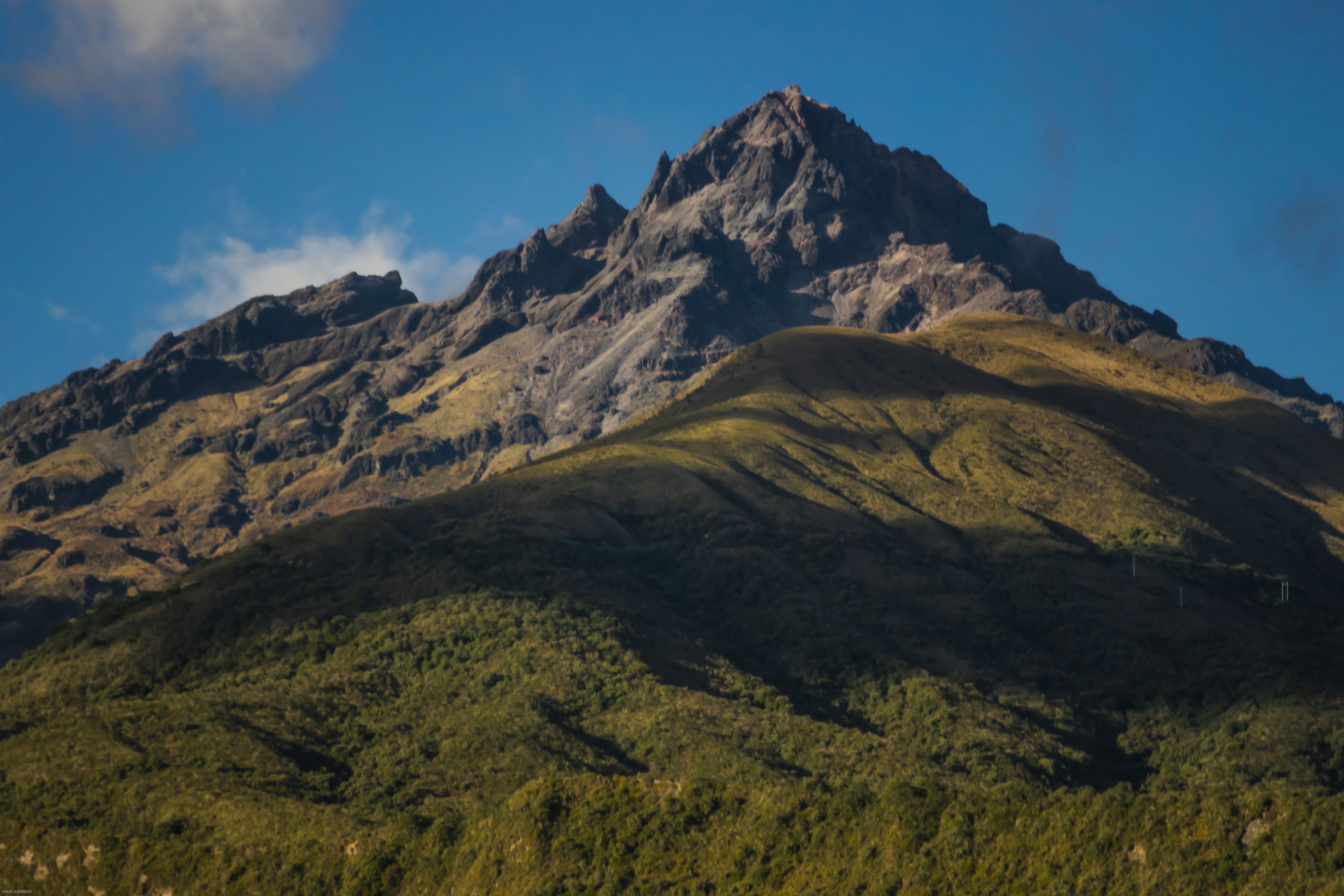
Ibarra is the capital of Imbabura province in the Andes of northern Équateur, roughly 115 km north of Quito. Nicknamed the "White City" for its whitewashed colonial facades, it spreads across approximately 2,225 m of altitude at the foot of Imbabura volcano. A crossroads between the Sierra and the Pacific coast, it blends colonial architecture, indigenous markets, and swift access to Andean lakes.
Practical Information at a Glance
- Access from Quito: buses from Carcelén terminal, journey of roughly 2.5 hours.
- Altitude: 2,225 m — plan acclimatization time if arriving from the coast.
- Recommended stay: 1 to 2 days for the city and immediate surroundings.
- Currency: US dollar (USD), as throughout Équateur.
- Clothing: layered outfits recommended; mornings are cool, afternoons sunny.
What to See
The historic center revolves around Parque Pedro Moncayo, bordered by the cathedral and official buildings with white facades. Nearby, Parque La Merced offers a livelier atmosphere. Pedestrian streets concentrate local craft shops, notably the famous helados de paila — artisanal ice cream hand-beaten in copper basins, an Ibarran specialty since the 19th century.
The Amazon market and La Playita market allow you to observe daily commerce between mestizo and indigenous communities. The La Esperanza district, a few kilometers south, is renowned for hand embroidery.
History and Context
Ibarra was founded on September 28, 1606 by captain Cristóbal de Troya on orders from the president of the Royal Audiencia of Quito. A devastating earthquake in 1868 nearly destroyed the entire city; inhabitants rebuilt on the same site, explaining the current architectural homogeneity. This history explains the nickname "White City of the Andes" and the coherence of the colonial fabric.
Highlights of Your Visit
Helados de paila
This artisanal ice cream, prepared by whisking fruit juice in a copper basin set on natural ice, is a local institution. Historic vendors cluster around Parque La Merced. Tasting a helado de mora or naranjilla is a must.
The Cathedral and Parque Pedro Moncayo
The cathedral, rebuilt after 1868, dominates the central square. Its austere interior contrasts with the white exterior facades. The plaza itself, animated in late afternoon, captures the pulse of Ibarran life.
The Ibarra–Salinas Train
A rail section connects Ibarra to the Afro-Ecuadorian village of Salinas in the Chota valley. This route crosses arid gorge landscapes, quite different from the green Andes. Check schedules with Ferrocarriles del Ecuador, as service can be intermittent.
Laguna Yahuarcocha
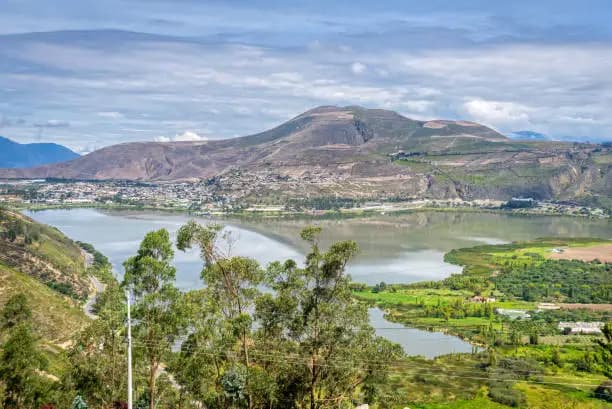
Less than 5 km from the center, this Inca sacred lake — its name means "lake of blood" in Quechua, referring to a pre-Hispanic battle — is ringed by a scenic drive and grilled tilapia restaurants. The walk around the lake is accessible on foot or by bike.
Photography Tips
Morning light (7 am–9 am) is ideal for photographing the white facades of the center without overexposure. Parque Pedro Moncayo offers a classic frame with the cathedral in the background. For Yahuarcocha, sunset from the north shore reflects Imbabura volcano on the water on clear days.
Location and Access
Ibarra sits in the inter-Andean valley, roughly 115 km north of Quito via the Pan-American Highway (E35). The bus terminal receives frequent services from Quito, Otavalo, and Tulcán. The city is also a starting point toward the coast via García Moreno road. The center is compact and walkable; taxis and motor-tricycles serve outlying neighborhoods.
Nearby places accessible by bus or taxi:
- Otavalo — about 30 km south, famous for its craft market.
- Laguna Cuicocha — crater lake at the foot of Cotacachi volcano.
- Cotacachi — leather town, between Ibarra and Cuicocha.
Surroundings
- Otavalo — the Saturday market is one of South America's largest indigenous markets.
- Laguna Cuicocha — hike around the crater with views of two volcanic islets.
- Cotacachi — leather crafts and gateway to the Cotacachi-Cayapas reserve.
- Peguche — Otavalo village renowned for weaving and its sacred waterfall.
Frequently asked questions
June to September and December to January are the driest seasons. Rain is more frequent from October to May, but the city remains accessible year-round.
It's doable but rushed. Better to spend a night in Ibarra to visit Yahuarcocha and the center without hurrying, and reserve a half-day in Otavalo on the return.
Yes, traditional vendors at Parque La Merced operate continuously. Flavors vary by local seasonal fruits.
Service is operated by Ferrocarriles del Ecuador and may be suspended or limited to certain days. Check directly with the operator before planning your visit.
The historic center is generally peaceful during the day. As in any Ecuadorian city, stay alert at night in less-trafficked areas and avoid displaying valuable cameras or phones.
Covered shoulders and knees are recommended for entering the cathedral and other downtown churches. A light shawl in your bag suffices.
Want to discover this destination?
Our local advisors design your tailor-made trip.