Otavalo
Otavalo
Otavalo, nestled in the Équateur Andes, is the essential destination for lovers of Kichwa craftsmanship. Its Saturday market, weaver villages, and volcanic landscapes make it a richly rewarding stop just two hours from Quito.
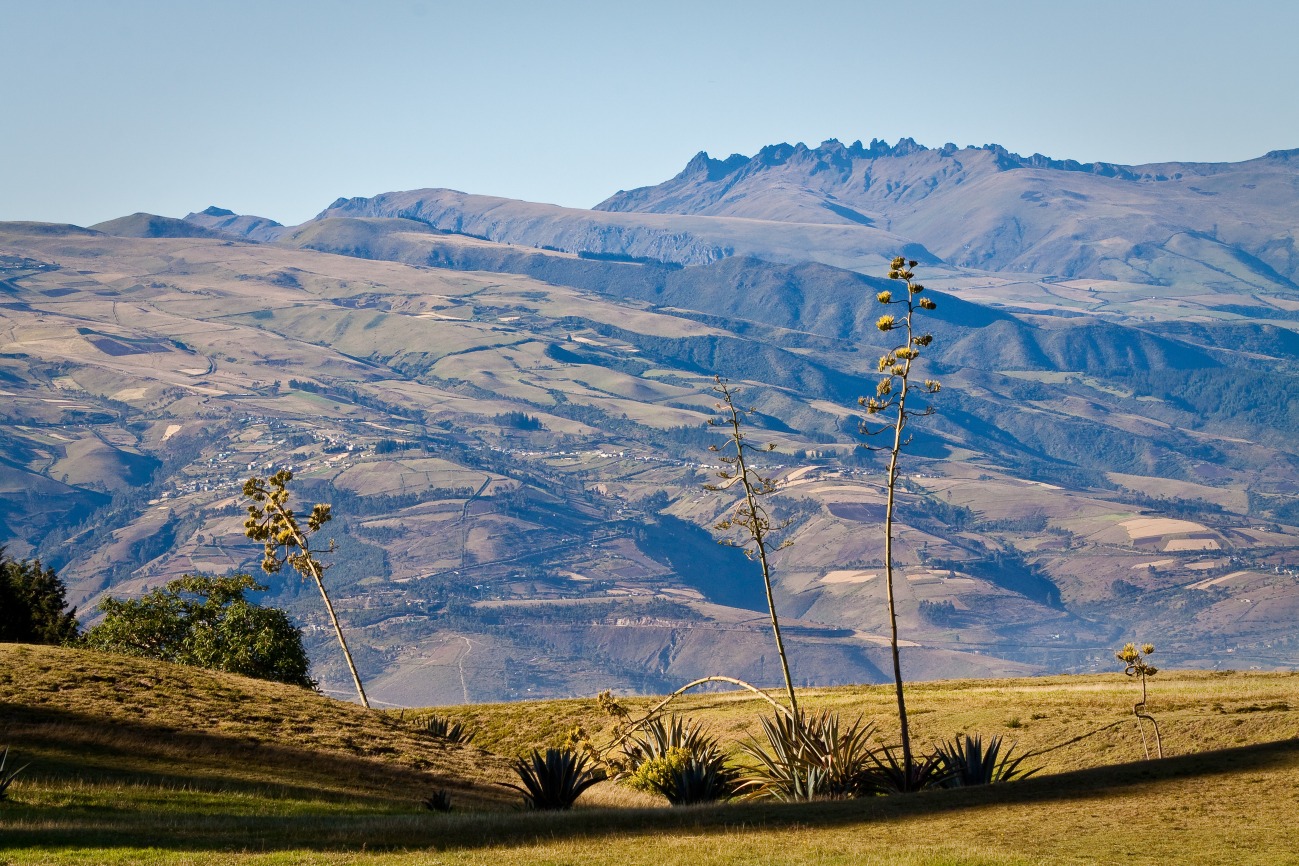
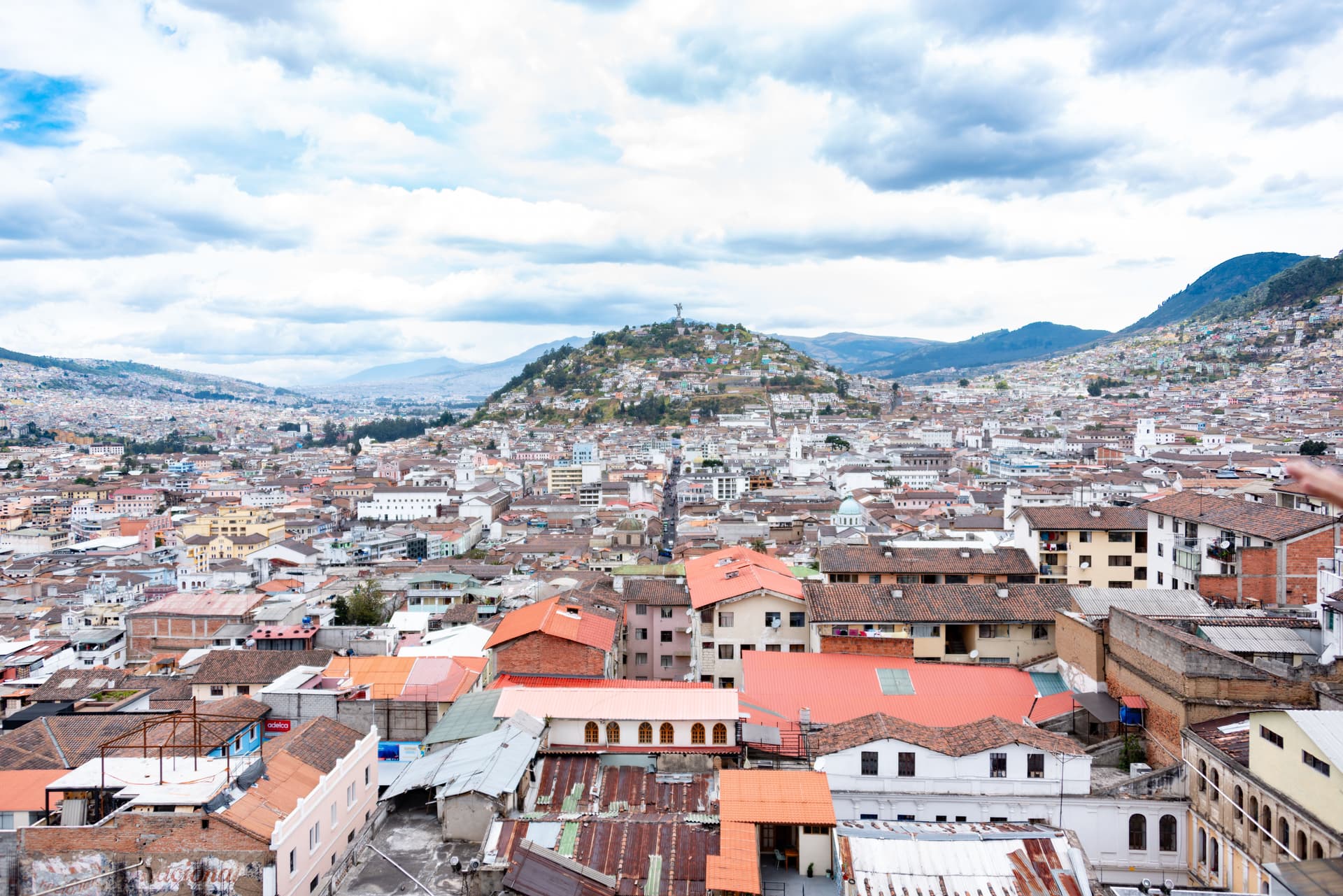
Otavalo is an Andean town in Équateur, approximately two hours north of Quito, in Imbabura Province. It is renowned throughout Latin America for its artisan market, one of the continent's largest and oldest. The Kichwa indigenous community that animates it perpetuates textile expertise passed down for centuries. Volcanoes, lakes, and artisan villages complete a territory rich with experiences.
Practical Information at a Glance
- Access from Quito: bus from Carcelén or Quitumbe terminal, journey of approximately 2 hours; shared taxi or car rental available.
- Main market day: Saturday — artisan and livestock markets in Peguche active from dawn.
- Altitude: approximately 2,530 m — allow time for acclimatization if arriving from lower elevation.
- Dress code: no specific constraints; warm layers advised in the morning.
- Recommended duration: 1 to 2 nights to combine market, lake, and surrounding villages.
What to See
The heart of a visit is the Plaza de los Ponchos, a central plaza entirely dedicated to crafts. Fabrics, tapestries, embroidered clothing, silver and beaded jewelry, Andean musical instruments — the stalls spread across several adjacent streets on Saturday. During the week, the market remains active but quieter, ideal for shopping without pressure.
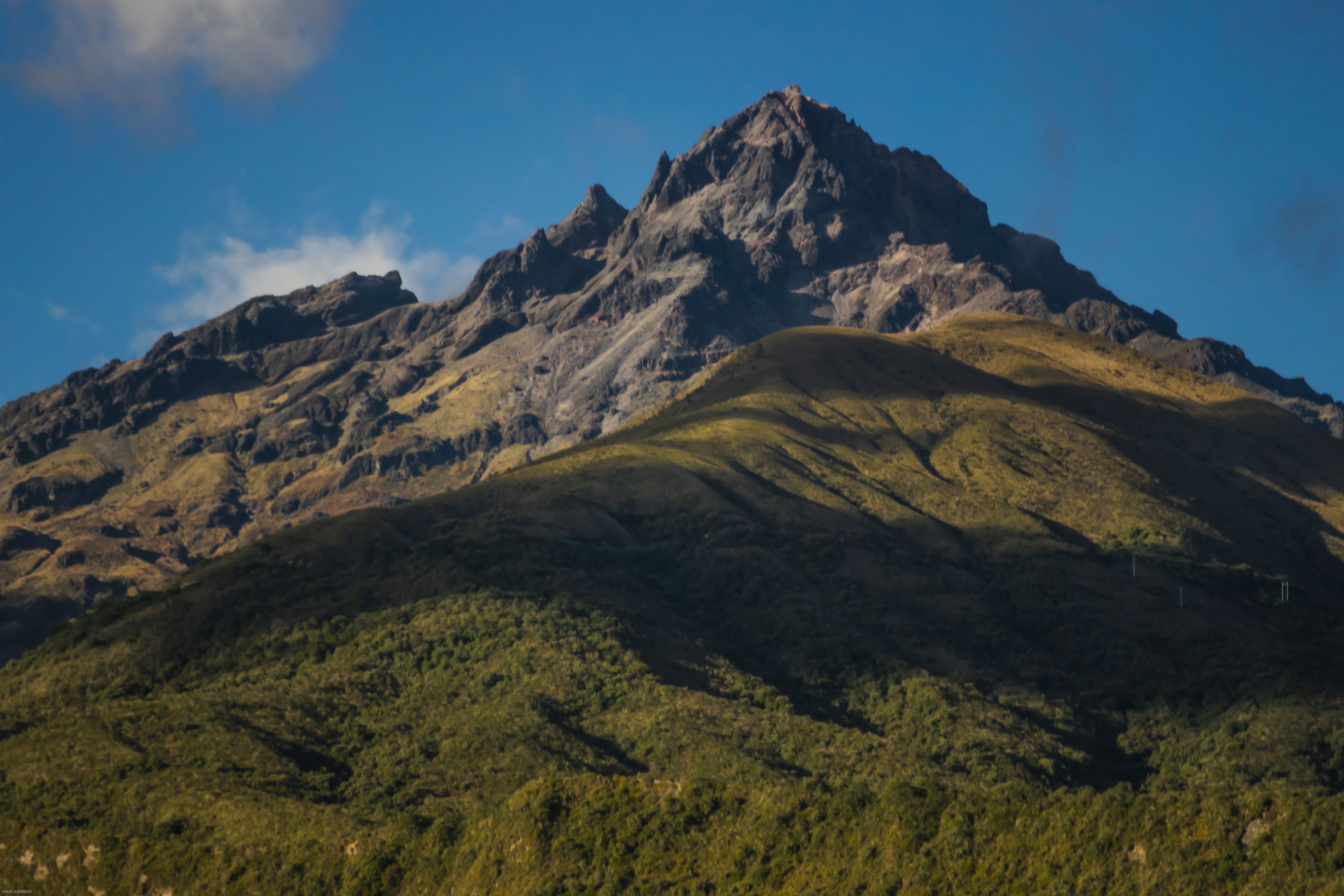
Around the town, Lake San Pablo (Imbakucha) offers a lakeside setting with Imbabura volcano as a backdrop. The Peguche Waterfall, a few kilometers away, is a natural and spiritual site for the Kichwa community, accessible on foot from the village of Peguche.
History and Context
The Otavaleños are a Kichwa people whose textile tradition predates the Inca conquest, itself predating Spanish colonization. Under colonial rule, the obrajes (forced workshops) paradoxically strengthened local technical mastery. After independence, artisans gradually reclaimed control of their production and commerce. Today, Otavaleño families sell their creations on every continent while maintaining their base in Otavalo.
Highlights of Your Visit
The Saturday Market — Plaza de los Ponchos
From 7 a.m., vendors set up their stalls. The atmosphere is lively yet orderly. Textiles with Andean geometric patterns dominate, but you'll also find ceramics, essential oils, and leather crafts. Negotiation is common and expected, without aggression.
The Peguche Livestock Market
Held also on Saturday morning, this market brings together regional ranchers exchanging guinea pigs, poultry, and livestock. An authentic rural scene, rarely visited by tourists, a few kilometers from the town center.
The Peguche Waterfall
Surrounded by eucalyptus and Andean vegetation, the waterfall is a ceremonial site for the Inti Raymi solstice festival. A marked trail from Peguche village leads there in about twenty minutes on foot. Entry is modest.
Lake San Pablo
Équateur's largest natural high-altitude lake, ringed by indigenous communities. Kayaking and boat tours are offered by local operators. Imbabura volcano (4,630 m) dominates the panorama to the northwest.
Photography Tips
Morning light (before 9 a.m.) is ideal at Plaza de los Ponchos: textile colors shine without midday overexposure. Always ask permission before photographing vendors or community members — refusal must be respected. Peguche Waterfall is best photographed in the dry season (June–September), when water flow is steady and skies are clear.
Location and Access
Otavalo sits in the inter-Andean valley, approximately 110 km north of Quito via the Panamericana (route E35). The town is easily reached by bus from Quito (Carcelén terminal, heading toward Ibarra or Tulcán). Quito agencies offer day excursions, but spending a night allows exploration of neighboring villages.
The town center is compact and walkable. For surrounding villages (Peguche, Ilumán, Cotacachi), local taxis or regional buses provide connections.
Nearby Attractions
- Cotacachi — artisan village specializing in leather work, about twenty minutes southwest.
- Cuicocha Lagoon — volcanic crater lake with blue-green waters, accessible from Cotacachi, featuring a panoramic hiking trail.
- Ibarra — provincial capital approximately 30 km north, known for its sugarcane ice cream and colonial architecture.
- Peguche Village — Kichwa weaver community, departure point for the waterfall and Saturday livestock market.
Want to discover this destination?
Our local advisors design your tailor-made trip.