Cotacachi
Cotacachi
Between the Andes and the Pacific, the Cotacachi-Cayapas reserve protects one of Ecuador's richest ecosystems. Complete guide: Cuicocha, volcano, wildlife and advice.
Located 140 km from Quito and 12 km from the town of Cotacachi, on the western edge of Imbabura Province and the eastern edge of Esmeraldas Province, Cotacachi-Cayapas is an ecological reserve classified as IUCN Category. It is dedicated to the conservation of local biodiversity. This protected area is a haven for adventurers and nature lovers alike.
History
The reserve was officially established on August 29, 1968. Today it is administered by Ecuador's Ministry of Environment.
Present Day
Spanning a vast protected area of 2,486.38 square kilometers, the Cotacachi-Cayapas reserve is divided into two regions. The first section, a lower zone, extends from the Andean foothills to the coastal plain, while the second section rises into the high Andes within Imbabura Province.
This immense reserve stands as Ecuador's largest protected area. It ranks among the country's most significant conservation zones. The ecosystem here is considered one of the richest on the planet. The site comprises several biological zones, with Andean and subtropical zones being the most prevalent. It is also surrounded by smaller protected forests and private reserves, such as the Pajas de Oro forest.
Discovering the Reserve's Ecology
To understand the region's biodiversity and a significant portion of Ecuador's ecosystem, visiting the Cotacachi-Cayapas zone is essential. The reserve hosts magnificent natural tourist sites and numerous outdoor activities. Between natural landscapes, fauna and flora, the reserve is perfect for enjoying mountain biking, hiking, jungle excursions, climbing, camping and canoeing.
You can enjoy a panoramic vista over the vast rolling landscape of rocky streams, expansive wetland areas and dozens of ponds. This immense protected zone also harbors the famous Cuicocha Lagoon and the majestic Cotacachi Volcano. Rising to over 4,939 meters altitude in the heart of a vast tropical forest, the rocky summit of this volcano is sometimes blanketed in snow, offering a breathtaking view of pristine white against emerald green.
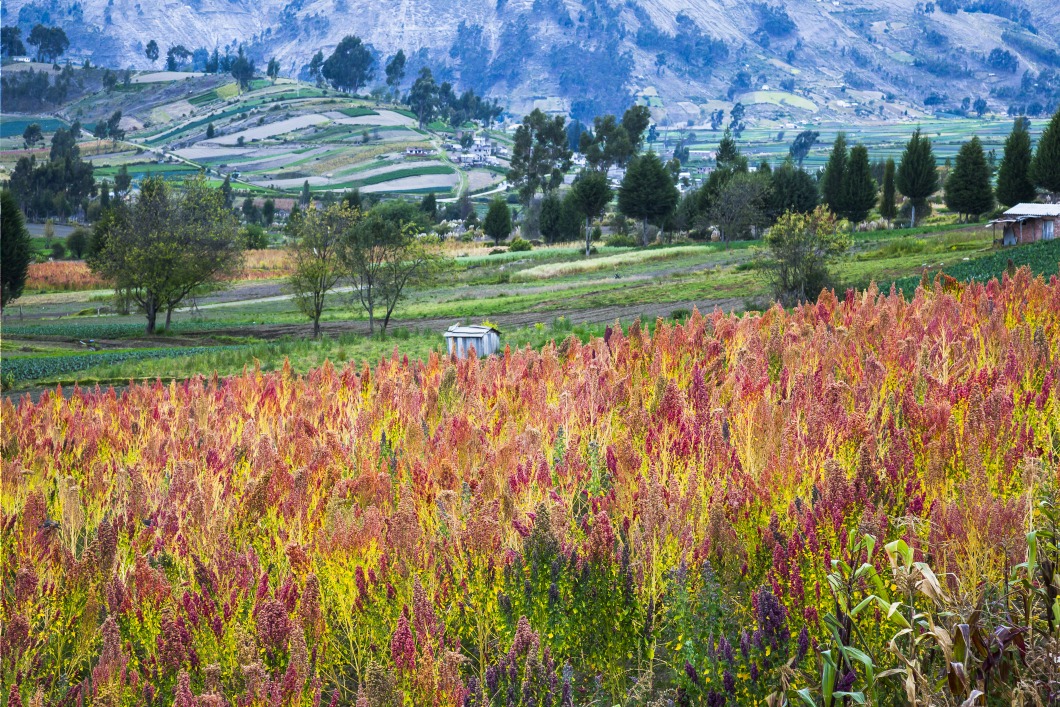
Most of the reserve is covered in tropical vegetation and Páramo grasses. In fact, it hosts numerous species of herbaceous plants. More than 2,000 types of flora have been documented within the zone. These include a wide variety of trees, vines and ferns.
Given the reserve's immense size, it protects remarkable fauna diversity. It is home to 139 mammal species and over 500 bird species, some of which are endemic, extremely rare and endangered. The site contains various species of anteaters, sloths, ocelots, culpeos and deer. It also protects numerous aquatic animals. During your visit, you may encounter harpy eagles, curassows, multicolored bulls, honey-eating redbreasts or whiskered tanagers. Some animals like yellow-eared parakeets, wild falcons or ground cuckoos that previously lived on the periphery are now part of the reserve.
The best way to reach the reserve is to first head to the town of Cotacachi via the Pan-American Highway. From there, continue on a paved road for approximately 12 km to the Cuicocha Lagoon.
Want to discover this destination?
Our local advisors design your tailor-made trip.