Riobamba
Riobamba
An Andean capital at the foot of Chimborazo, Riobamba blends indigenous markets, colonial heritage, and access to Équateur's highest volcano.
Riobamba, the capital of Chimborazo province, lies 194 km from Quito. It serves as the gateway to Équateur's highest peak, Chimborazo volcano, which rises to 6,263 meters above sea level. Yet its appeal extends far beyond being a mere staging point for conquering this natural giant. Riobamba offers an abundance of fascinating attractions—from historic and cultural sites to natural wonders scattered throughout its surroundings.
The History of Riobamba
In 1534, Riobamba emerged as the first colonial outpost established by the Spanish in Équatorian lands. In 1797, the city was devastated by an earthquake, which led to its reconstruction 14 kilometers from its original site, near the hamlet of Cajabamba. At the turn of the 19th century, Riobamba became a center of ferment for Équateur's independence from Spanish Gran Colombia.
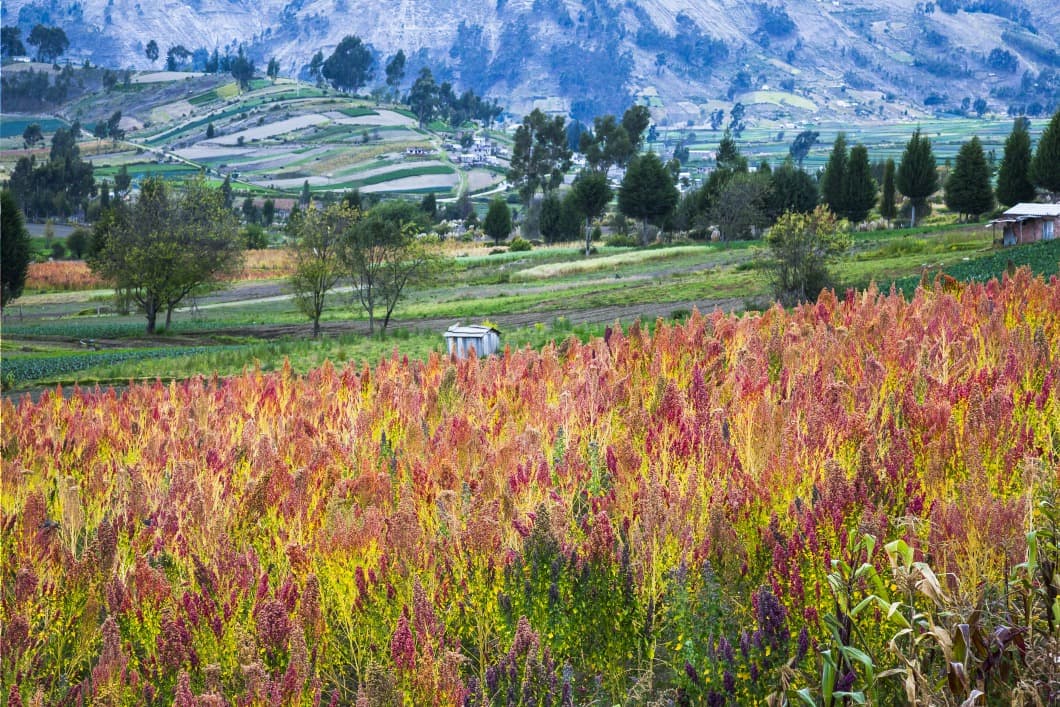
The city had a population of 146,324 in 2010. Its inhabitants, composed largely of indigenous communities, live primarily from agriculture.
What to See in Riobamba?
Maldonado Park
Maldonado Park nestles at the heart of Riobamba. Designed as the city's beating center, it connects to all major streets. You'll find fountains and artworks here, along with a monument dedicated to Pedro Vicente Maldonado, a native scientist known for his cartographic work across Équateur and South America, and his precise geodetic measurements.
Alfaro Park
Located near Riobamba's train station, Alfaro Park ranks among the city's most vibrant spaces. Here, craft stalls showcase wooden objects, ceramics, and woven goods. It's a lively and dynamic setting where you can discover local craftsmanship while soaking in the animated energy of Riobamba's center.
Red Park
Red Park is another square worth visiting in Riobamba. Its name derives from the red color of its tiles. Like Alfaro Park, it's also known for its craft stands. Yet the star products here are textiles, embroidery, Andean clothing, and leather goods.
La Merced Market
If you crave local flavors during your Riobamba visit, head to La Merced Market. From the famous riobambeño (wood-fired pork) to yaguarlocro (offal soup), alongside fruit juices prepared with ice from Chimborazo, a wide array of traditional specialties awaits you.
The Religious Art Museum of the Conception
The Religious Art Museum of the Conception invites you to explore an exceptional collection of over 200 religious objects dating from the 16th century. Beyond its exhibitions, this site captivates with its dormitories and cloisters, as well as other rooms. Exploring them will deepen your understanding of Équateur's colonial past.
Riobamba Cathedral
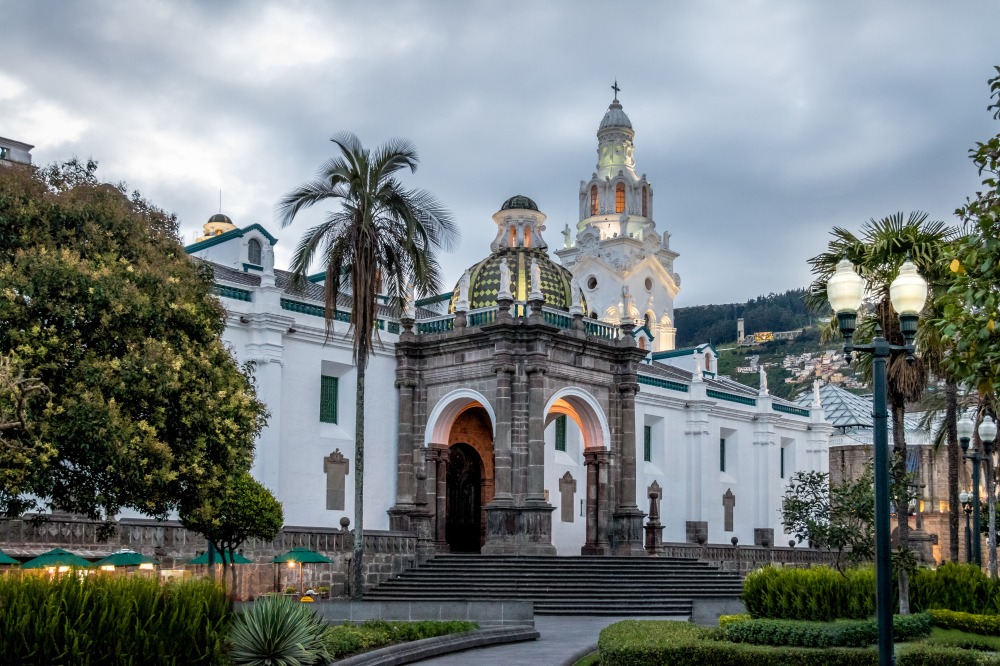
Riobamba Cathedral dates to 1835 and showcases baroque architectural style. The religious edifice dedicated to the city's patron saint, San Pedro, awes with its ornate moldings and bell towers.
Riobamba House-Museum
The Riobamba House-Museum captivates with its colonial charm. Moreover, it houses a rich collection of contemporary paintings along with a permanent gallery presenting varied exhibitions.
What to Do in Riobamba?
Conquering Chimborazo Volcano
The primary reason tourists head to Riobamba is to conquer Chimborazo volcano. Numerous hiking trails crisscross this mountain. Hikers are free to reach the summit or simply pass nearby.
Beyond Chimborazo itself, other natural wonders await during your excursion. These include Condorcocha Lagoon and the Chimborazo Wildlife Production Reserve, situated close to the volcano.
Biking Down Chimborazo National Park
Another way to immerse yourself in Chimborazo's landscape is by bike. You'll start at an altitude of 4,800 meters and descend through Chimborazo National Park.
Travel Aboard the Nariz del Diablo Train
A railway connecting Quito and Duran, which passed through Riobamba, was built in 1908. Only a section of this line survives today. The intact stretch between Riobamba and El Nariz del Diablo (a rock formation resembling a devil's profile) is now a route traversed primarily by tourists, with a journey of roughly 2.5 hours. The train follows a spectacular course punctuated by dramatic switchbacks, offering breathtaking views. It makes photo stops to allow travelers to capture this region's picturesque landscapes.
Visit Guano
A short distance from Riobamba lies Guano, considered the textile crafts capital of Équateur. Its international reputation stems from the exceptional quality of its creations. You'll find magnificent blankets or garments adorned with embroidery. The town is also renowned for its leather products.
Attend the Inti Raymi Festival
The Inti Raymi festival offers a chance to immerse yourself in local culture. It's an Inca celebration of the summer solstice, held annually on June 21st, a half-hour drive from the city. The event brings together all indigenous communities (Puruhá, Inca, and others) throughout Chimborazo province.
Getting to Riobamba by Bus from Quito, Guayaquil, Alausi & Cuenca
If departing from Quito, Guayaquil, or Cuenca, reaching Riobamba by bus (or car) is recommended. Given the short distances separating these cities, traveling overland effectively minimizes altitude sickness. The ascent to the city is gradual—quite different from flying, which doesn't allow for such gradual acclimatization.
When to Visit This Region of Équateur?
The best time to visit Riobamba and its surroundings is the dry season, from June to September. This period offers ideal conditions for exploring Chimborazo National Park and local markets.
However, note that the rainy season, from December to May, can also be rewarding, as it showcases lusher landscapes. Still, keep in mind that roads are more challenging to access during this period.
Want to discover this destination?
Our local advisors design your tailor-made trip.