Bellavista Forest Reserve
Bellavista Forest Reserve
A private cloud forest sanctuary at 2,000 m elevation, Bellavista Reserve is home to 260 bird species and ranks among Ecuador's premier birdwatching destinations.
Located in Pichincha Province, 52 km from Quito, the Bellavista Reserve is a certified private conservation area nestled deep within a cloud forest. With its stunning natural landscapes, exceptional biodiversity of flora and fauna, and diverse outdoor activities, this place is a hidden gem of the region. It's a dreamlike destination for nature lovers and birdwatchers alike.
History
The Bellavista Forest Reserve was established in 1991 by a British-Colombian couple. Initially, Richard and Gloria Parsons acquired approximately 1 km of the Tandayapa Valley to create a private conservation area for local biodiversity. Over more than 19 years, Richard Parsons and his wife expanded the reserve by acquiring additional properties.
Bellavista is a founding member of the Network of Private Protected Forests of Ecuador. It has been certified as an Eco-lodge by Rainforest Alliance and Smart Voyager.
Today
The Bellavista Forest Reserve spans 8.1 km and reaches elevations exceeding 2,000 m. It comprises a base camp with more than 10 km of hiking trails winding through the heart of a perpetually cloud-shrouded forest. On-site, you'll discover a four-story geodesic dome, a restaurant, observation platforms, and accommodations.
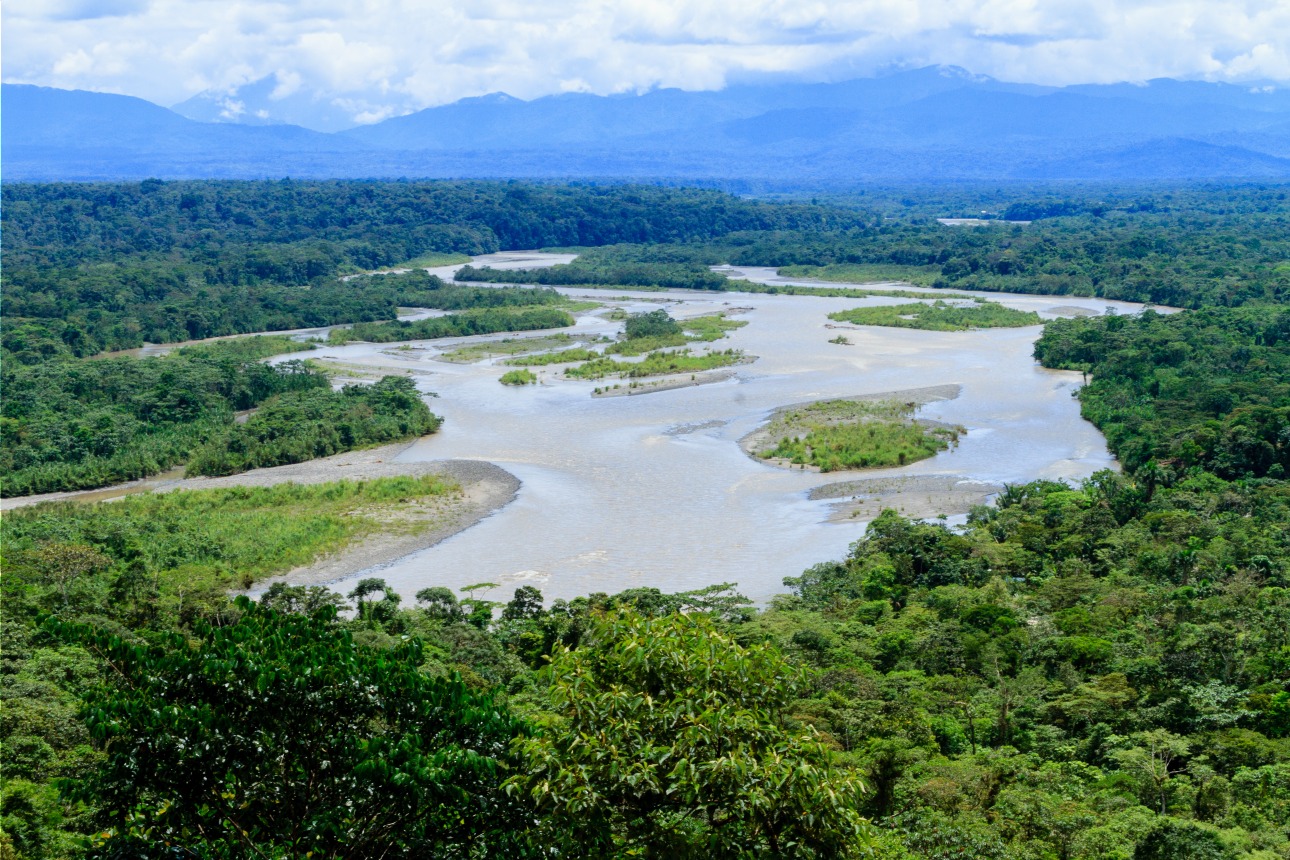
As the reserve stretches along the northwestern slopes of the Andean mountain range, its flora and fauna vary with altitude. The ever-present clouds and mist play a crucial role in shaping its ecosystem. Cloud forests are renowned for their biodiversity, with their humid tropical ecosystem fostering exceptionally rich fauna and flora.
Wildlife at Bellavista Reserve
The fauna of Bellavista encompasses remarkable animal diversity, including reptiles, amphibians, insects, and mammals. Based on ornithological surveys conducted in the region in 2000, the reserve revealed more than 260 bird species and 60 frog species found nowhere else on Earth.
Among the bird species are giant antpittas, blue-tailed hummingbirds, mossy-throated flowerpiercer, toucans, violet sylphs, tanagers, and hummingbirds. Hummingbirds and butterflies are often visible and rank among the reserve's greatest attractions. Andean rock cock are also frequently spotted. The reserve is also home to mammals including endangered spectacled bears, pumas, Andean coatis, and tayra.
Flora of Bellavista Reserve
The environment of Bellavista Forest Reserve is predominantly covered in cloud forests, also called premontane tropical forests (or subtropical forests). This forest thrives in a cool, humid environment with persistent cloud cover. Consequently, it supports a vast variety of plant species, many of which are rare and endemic. It harbors numerous orchid varieties, some growing on trees as epiphytes.
For students and scientists captivated by cloud forest ecosystems, the reserve is a genuine research base. It houses its own research station, currently used for the Payamino Project. Through partnership between San Jose de Payamino, an indigenous Amazonian community in Ecuador, Zoos Go Wild, and Aalborg Zoo, this initiative began in 2002 with the sole purpose of conserving biodiversity and local culture. It is also supported by several internationally renowned universities, including Glasgow and Manchester in the United Kingdom and Aalborg in Denmark. These universities send their graduate students to conduct research, expeditions, and field work.
Exploring Bellavista Reserve
A day or two at the reserve promises multiple outdoor activities rich in ecological discovery and unforgettable experiences. Though trails are challenging, hiking offers visitors opportunities to scale crystal-clear waterfalls, photograph brilliantly colored hummingbirds, and discover some of the world's rarest orchid species.
Visiting Bellavista Forest Reserve is not leisurely for those unprepared to explore pristine wilderness. High humidity and mist coat tree branches and fallen logs with moss and ferns, making trails slippery and hazardous. For this reason, it's advisable to wear proper hiking or trekking boots.
The reserve lies 1 hour from Quito and the Mitad Del Mundo monument. To get there, take buses from Quito's regional micro-terminal at La Ofelia heading to Pacto, Mindo, Los Bancos, Pedro Vicente Maldonado, Puerto Quito, or La Independencia. Once you reach Nanegalito, arrange transportation in a group and hire a van—the only available public transport from this small town to Bellavista.
With your Aventura Ecuador agency, you'll enjoy personal transportation with a driver for added convenience.
Want to discover this destination?
Our local advisors design your tailor-made trip.