Antisana
Antisana
Located 50 km from Quito, Antisana rises to 5,753 m and presides over a wild reserve where Andean condors, pumas and mountain tapirs nest.
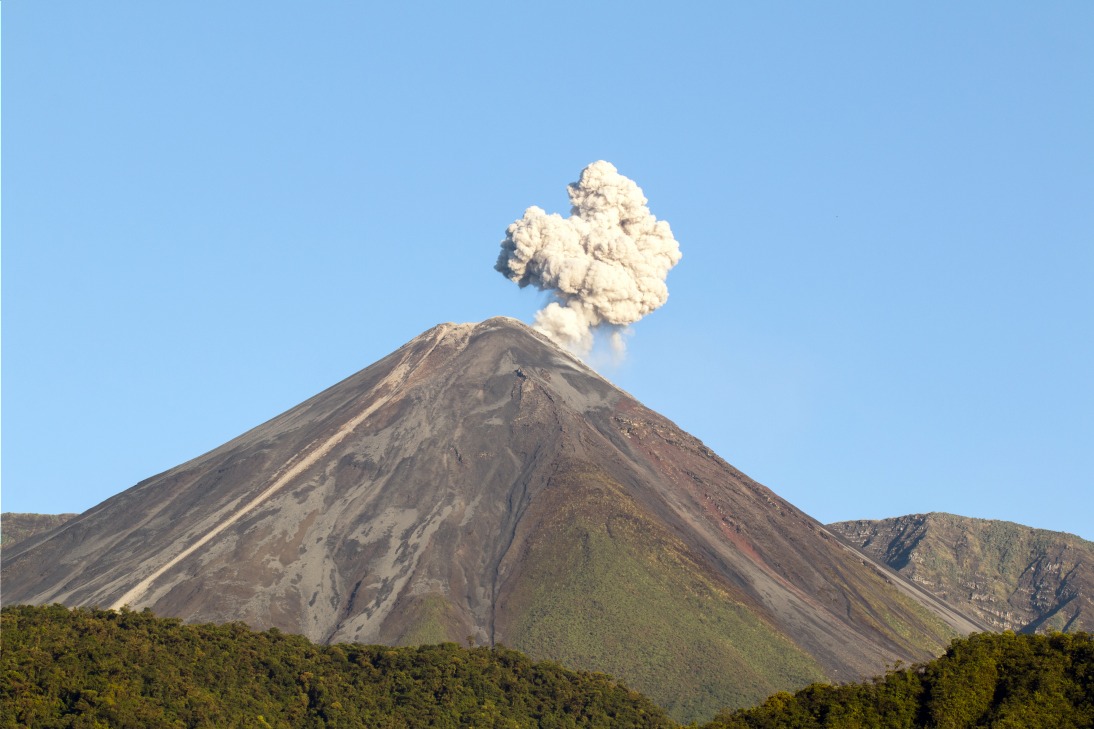
Antisana is a majestic volcano located in the Eastern Cordillera of the Andes, 50 km southeast of Quito. It is Ecuador's 4th highest volcano. The Reserva Ecológica Antisana, which spreads out at the base of the volcano, harbors unusual wildlife and pristine wilderness.
Perched above the Napo River, this reserve is the realm of great birds of prey such as Andean condors. Its ideal position close to the capital Quito makes it a premier destination for trekking and hiking in Ecuador. This remote site is renowned for its biodiversity and cherished by lovers of wild spaces.
History of Antisana Volcano
The first eruptions of Antisana volcano occurred during prehistoric times.
From 1590 to 1600, the area where Antisana volcano is located was covered by a shower of ash. This could have come from the eruption of Reventador. In 1728, a vertical explosion created a spectacular lava flow 12 km long. In 1760, another lava eruption occurred, this time spanning 2 km in length.
In 1773, a major eruption took place. The lava flow that resulted reached the Papallacta River. The year 1801 was marked by a strombolian type eruption, followed by several lava flows. This led to the formation of a lava dome at the summit of Antisana volcano. From the dome, which contains the main crater, ash rain falls.
March 10, 1880 is inscribed in the annals of history, marking the first ascent of the volcano by Edward Whymper. He was accompanied by Italian guides: the brothers Jean-Antoine and Louis Carrel.
Moreover, Antisana is considered an active volcano due to observable activity. Indeed, fumaroles are said to emanate from within the craters. Hot springs exploited for thermal tourism and the last eruptions that occurred in the 18th century attest to this.
Since no settlements are built near the volcano, eruptions have never caused significant damage. However, the presence of the vast glacier and perpetual snow would favor the development of lahars. This could pose a risk, notably for residents of Pichincha Province and Quito.
Overview of Antisana Ecological Reserve
The Antisana Ecological Reserve represents one of Ecuador's most emblematic wild sites. Under the watchful gaze of eternal snows and its majestic volcano, it displays sumptuous panoramas stretching as far as the eye can see.
The landscape composed of mountain flowers, such as dwarf cushion plants like chuquiragua, wild horses and a desert-like atmosphere will transport you to an enchanting setting.
This ecological reserve lies at the base of Antisana volcano, with its snow-capped summit rising to 5,753 m altitude, in the central Sierra. Its purpose is the preservation of the fauna and flora of the Andean plateau. Upon entering Antisana Reserve, discover a plateau where plant and animal life adapts to the difficult, even extreme conditions of this region.
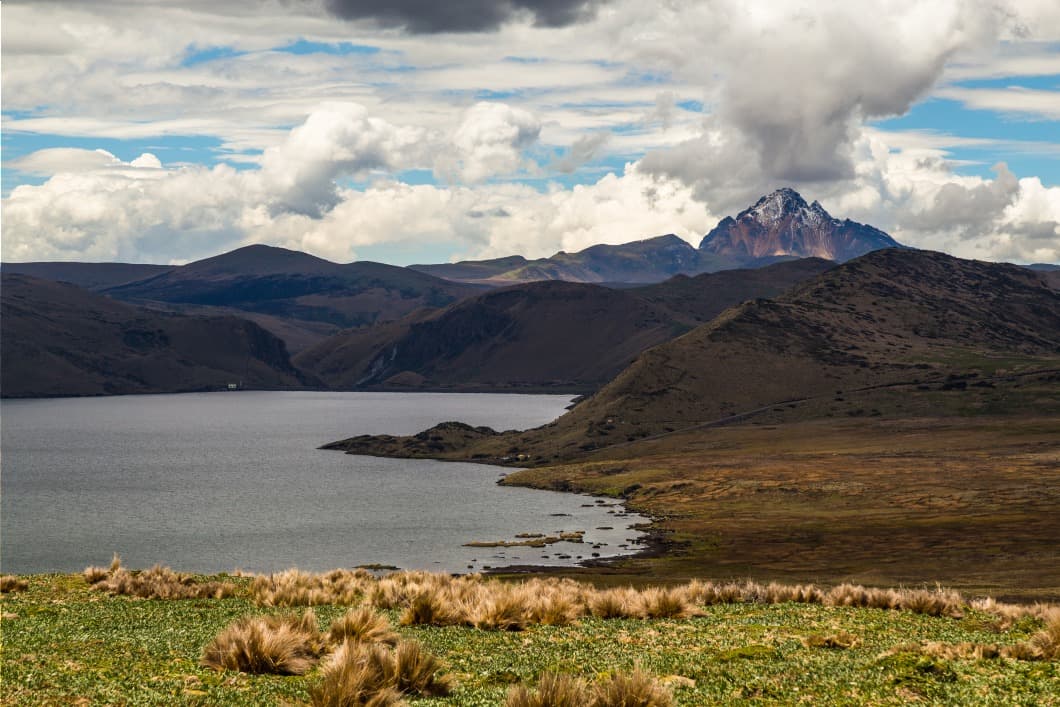
At first glance, Antisana Ecological Reserve offers exceptional flora. It displays vast stretches of gentle grasslands, steppe vegetation, not to mention the plateau carpeted with moss cushions lining the shores of Andean lakes.
As for fauna, this reserve is the natural habitat of various bird species, such as the Andean gull, ducks, caracaras and several hummingbird species. The landscapes are magnificent on the high plateaus, particularly at the foot of Antisana volcano. Over the sparse vegetation (chuquiragua and other mountain flowers), you will see wild horses galloping freely.
But Antisana Reserve is most renowned as the best location for observing Andean condors. Another star specimen: the Osornophryne antisana, a tiny brown toad that thrives only in Antisana Reserve. This extremely rare amphibian species is endangered. It lives primarily between the rocky walls of the moorlands.
In the moorlands also live Virginia deer, spectacled bears, brocket deer, pygmy deer, Andean cats, pumas, wolves, Andean gulls, curicings, lizards and mountain tapirs.
About Antisana Volcano
Dominating the entire Antisana Ecological Reserve in all its majesty, Antisana volcano rises to 5,753 m. Located in the Eastern Cordillera, in Ecuador, the stratovolcano divides the Andean corridor, home to Quito and Pichincha Province, from the Amazon region and Napo Province.
Furthermore, this volcano is renowned as active, even though the last eruption dates back to 1801. A major lava flow from an eruption in 1760 remains visible north of the reserve. As you tour the sanctuary, you will notice lagoons that have become vast mirrors and gorges covered in misty forest.
Antisana volcano formed southeast of the vast Chacana caldera. It takes the form of a cone, which is the typical shape of stratovolcanoes. The summit is formed by a double cone. The more recent cone is characterized by a breach and partially overlooks the older cone. The latter is indeed composed, in the eastern and southern sections, of two calderas.
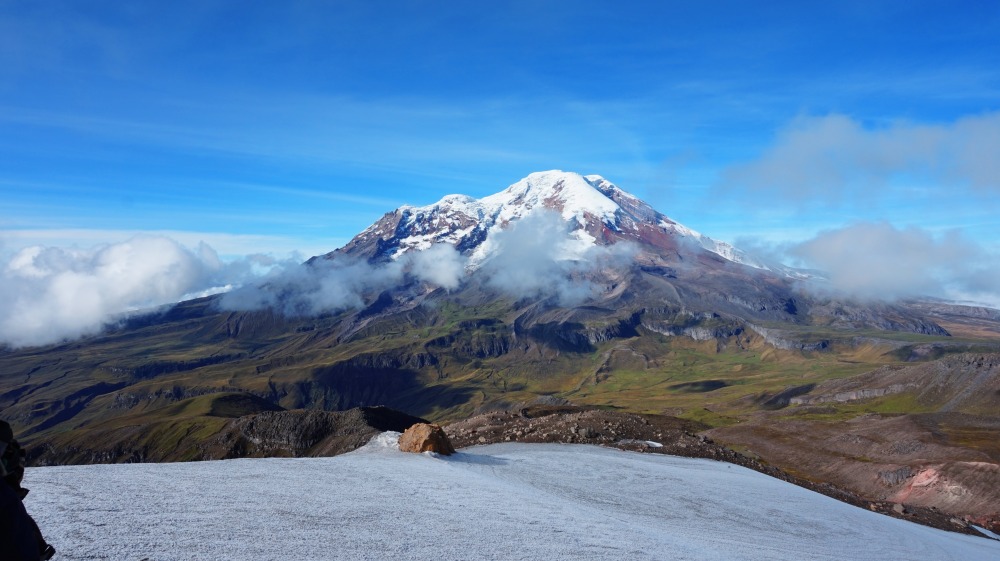
Antisana is a four-peaked volcano adorned with massive blocks of ice. These vast and active glaciers, located at the summit of Antisana, are extremely deep compared to other Ecuadorian peaks.
Antisana volcano is also renowned as one of Ecuador's most difficult peaks. Its location on the Eastern Cordillera and proximity to the Amazon make it highly vulnerable to unpredictable climate changes. Indeed, its summit is perpetually shrouded in clouds.
Antisana is a volcano both mysterious and majestic, forming the core of a protected natural area dotted with moorlands and western Andean forests. Volcanic activity and glacial processes have created spectacular geological formations, not to mention fauna and flora of rare diversity.
Activities in Antisana Reserve
Nestled between snow-capped peaks and lush forests, Antisana Reserve seduces with the stark beauty of the Andean "paramo" grasslands. Its main attraction is the snow-covered Antisana volcano. At the foot of this imposing volcano, the reserve is ideal for trekking or hiking across unique Andean flora and fauna, at altitudes ranging from 3,600 to 4,800 m.
A trek at 4,000 m altitude will allow you to contemplate Ecuador's breathtaking landscape, particularly when you cross rolling meadows. Ravines and lakes will punctuate your path. Andean gulls, ducks, hummingbirds and the elusive, endangered condor will accompany you throughout the trek.
Trekking in Antisana Reserve is a classic paramo hike, offering beautiful views of snow-covered volcanoes.
Climbing Antisana Volcano:
Ascending Antisana volcano is one of Ecuador's most challenging climbs. In addition to being technically complex, the Antisana glacier is quite treacherous. Indeed, ice plates dislodge very easily.
The climb takes between 6 and 8 hours. The descent, faster, takes about 3 hours. The expedition requires good physical fitness and experience in mountaineering. But upon reaching the summit, especially at sunrise, the landscape that unfolds before you is pure magic! The view of surrounding volcanoes (Cotopaxi, Illinizas, Chimborazo…) and the mountain's reflection in the lagoons is truly worth the effort.
The view of Cotopaxi's northern face is particularly rewarding. Below, you have the sources of the Amazon basin.
This ascent is also ideal for explorers wishing to refine their techniques for moving across crevasses, snow and ice.
For this type of trek, alpinist clothing, crampons boots, crampons, harnesses, an ice axe and a helmet constitute the necessary equipment to bring. Don't forget to hire an experienced guide. Furthermore, the best period for undertaking the expedition is between June and September.
As you will have understood, climbing Antisana volcano is reserved for seasoned mountaineers—those who master glacier walking techniques. To access the volcano, you must cross the páramo before reaching the volcano's base. Its difficulty and isolation make it a peak visited by very few tourists. No shelters have been built on the volcano's slopes. It is therefore necessary to establish a base camp before beginning your ascent.
Other Activities in Antisana Reserve:
– Encounters with indigenous communities
– Horseback riding
– Mountain biking
Climate
Eternal snows blanket both cones of Antisana volcano. Furthermore, the volcano is regularly hidden by clouds.
Antisana volcano is located on private property. It is therefore necessary to request permission from the owner of Hacienda Antisana located in Quito. From Quito, you travel to Pintag, then head toward La Mica campsite. Travel across the volcano toward the west, then establish a base camp, which is 5 to 6 hours' walk from La Mica, reaching an altitude of 4,400 m. It should be noted that the small lake is sometimes dried up.
Antisana Reserve is easily accessible from Quito. Indeed, the distance between Quito and Antisana Ecological Reserve is 65 km. Explorers drive barely two hours to reach this natural paradise. The best means of transport is by bus or car rental.
Want to discover this destination?
Our local advisors design your tailor-made trip.