Montecristi
Montecristi, in Manabí Province, is the world's cradle of the toquilla straw hat—inscribed on the UNESCO World Heritage list—and the birthplace of reformist President Eloy Alfaro.
Montecristi is a small coastal town in Manabí Province, perched on the slopes of an arid hillside some twenty kilometers from Manta. It is renowned worldwide for a paradox: the hat known as the "Panama hat" has been crafted here for centuries. Beyond its artisanal heritage, the town preserves intact colonial architecture and a deep connection to Eloy Alfaro, a towering figure in Ecuadorian history.
Quick facts at a glance
- Access: bus or taxi from Manta (approximately 20–25 minutes); no railway station.
- Suggested duration: half a day is sufficient for the historic center and workshops.
- What to wear: no special dress code; bring a hat and water—it's hot and dry year-round.
- Accessibility: sloped cobblestone streets; challenging for wheelchair access.
What to see
The town center revolves around a main plaza bordered by white colonial arcades. The toquilla straw-weaving workshops (Carludovica palmata) are open to visitors: watch artisans work at dawn, when natural light and humidity are ideal for softening the fibers. The Museo y Mausoleo de Eloy Alfaro occupies a restored colonial house and chronicles the life of the reformist president born here in 1842.
History and context
Montecristi was founded in the seventeenth century by residents of Manta fleeing pirate raids. The town rapidly became an artisanal production hub thanks to the local toquilla straw. In the nineteenth century, hats exported through Panama to the canal construction sites took the name of their transit port—a confusion that persists to this day. In 2012, UNESCO inscribed the Ecuadorian toquilla straw hat craft into the Intangible Cultural Heritage of Humanity.
Highlights of your visit
The toquilla hat workshops
Several artisan families welcome visitors into their home-workshops. A superfino hat—the finest, almost translucent—can take several months to complete. Observing the weaving up close reveals why these pieces command premium prices on international markets.
Museo y Mausoleo de Eloy Alfaro
Eloy Alfaro (1842–1912) separated Church from State, established civil marriage, and launched construction of the Quito–Guayaquil railway. The museum displays documents, portraits, and personal belongings. His mausoleum is housed in the same building.
The parish church and central plaza
The colonial-style church overlooks the main plaza. The white facade and surrounding arcades form a cohesive architectural ensemble, little altered by mass tourism.
Photography tips
Morning light (before 9 a.m.) is ideal: it illuminates the white facades without glare and coincides with workshop activity. Artisans generally agree to be photographed—always ask first. The view from the hillside over the coastal plain is worth a sunset visit.
Location and access
Montecristi lies in Manabí Province, approximately 20–25 km east of Manta. Local buses connect the two cities regularly from Manta's terminal. A taxi journey is short. The town is also accessible from Portoviejo, the provincial capital, about 35 km away.
Nearby attractions
- Manta—the major port city and beach destination, the natural starting point for visiting Montecristi.
- Portoviejo—capital of Manabí, the commercial and cultural hub of the region.
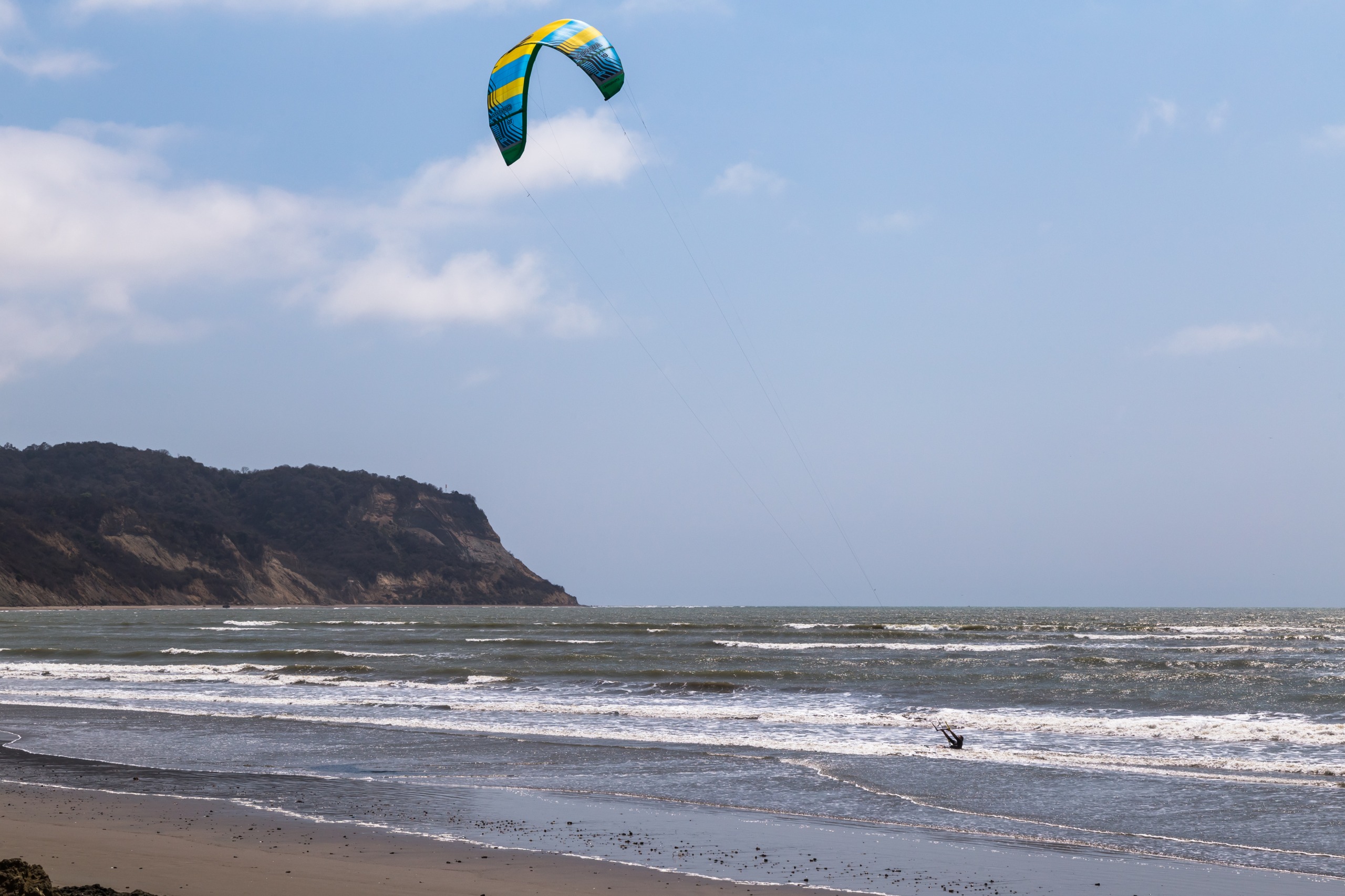
- Crucita—a coastal village famous for paragliding and quiet beaches, about an hour away.
- Machalilla National Park—tropical dry forest, isolated beaches, and Isla de la Plata, south of Manta.
Frequently asked questions
The dry season (June to November) offers clear skies and manageable heat. The rainy season (December to May) is more humid, but the workshops operate year-round.
Yes. Buying from a workshop ensures a fair price and authentic product. Quality ranges from everyday hats to very fine superfino—check the weave density.
Half a day covers the historic center, one or two workshops, and the Alfaro museum. A full day allows for a more leisurely pace and the option to combine with Manta.
Yes. The hat is manufactured in Ecuador, primarily in Montecristi and the Cuenca region. It took the Panama name because it was exported and sold through that port in the nineteenth century.
No formal rules, but it's courteous to ask before photographing and to avoid touching hats in progress. A purchase, however modest, is appreciated.
From Manta, a day trip lets you visit Montecristi in the morning and explore coastal beaches in the afternoon. Machalilla National Park requires an additional night on-site.
Want to discover this destination?
Our local advisors design your tailor-made trip.