Ingapirca Archaeological Site
Ingapirca Archaeological Site
Ingapirca brings together Cañari and Inca heritage on a single plateau, featuring the renowned Temple of the Sun, precisely cut stone structures assembled without mortar, and a site museum rich in ceramics and funerary objects.
Perched at over 3,000 metres above sea level in Cañar Province, Ingapirca is Ecuador's largest pre-Columbian archaeological complex. The site weaves together two legacies: that of the Cañari people, who inhabited these lands long before the Inca conquest, and that of the Inca Empire, which integrated the site into its sacred and administrative network. The ensemble preserves remarkably well-preserved stone structures, including the famous Temple of the Sun.
Quick practical information
- Entrance: paid admission (reduced rates for children and students)
- Recommended duration: 2 to 3 hours for the site and museum
- Attire: warm clothing recommended — altitude and wind can be surprising even during the dry season
- Access: buses from Cuenca (approximately 2 hours) or El Tambo; road passable by car
- Accessibility: terrain is partly uneven; certain areas are difficult to access by wheelchair
What you'll see
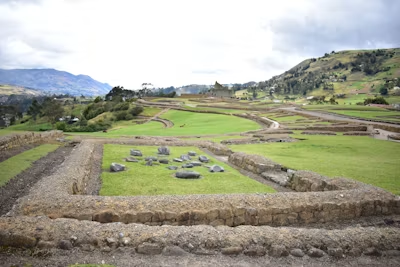
The site is organized around several distinct zones. The Temple of the Sun (Castillo) is the centrepiece: an ellipse of finely fitted stones, characteristic of Inca masonry. Around it, you can distinguish ceremonial platforms, storage structures (qollqas), ritual baths and the remains of a central plaza. A site museum displays ceramics, textiles and funerary objects from excavations, including Cañari pieces predating the Inca arrival.
History and context
The Cañari occupied this plateau for several centuries before the Inca conquest of the 15th century. They venerated the site, associating it with the moon. The Inca, after subjugating the Cañari people, built their own structures on top, notably the Temple of the Sun, integrating Ingapirca into the Qhapaq Ñan, the great Andean imperial road network. The site served simultaneously as a religious centre, a tambo (waystation) and an administrative control point.
Highlights of your visit
The Temple of the Sun (Castillo)
The elliptical dressed stone structure is unique in Ecuador. The blocks are assembled without mortar, following classical Inca technique. During the solstices, light penetrates through a precise opening — proof of intentional astronomical orientation.
The site museum
Small but densely informative, it contextualizes the two superimposed cultures. Cañari ceramics with serpent and bird motifs contrast with more geometric Inca pieces. A mummy discovered at the site is also on display.
Walking the site
A marked trail connects the different zones in approximately 45 minutes. The panorama over the surrounding páramos and Cañar hills reinforces the sense of isolation and altitude characteristic of Andean sites.
Photography tips
Morning light is most favourable: raking across the Castillo stones, it reveals the stonework detail. Avoid midday, often overcast. Angles from elevated platforms allow you to frame the temple with the páramos in the background. Photography is permitted throughout the site; check specific rules at the museum before taking your camera inside.
Location and access
Ingapirca is located in Cañar Province, approximately 80 km north of Cuenca. From Cuenca, buses depart regularly to El Tambo, from where local connections serve the village of Ingapirca. By car, the Pan-American highway then a secondary road allow you to reach the site directly. Agencies in Cuenca offer day excursions, often combined with other sites in the region.
Nearby
- Cuenca — colonial city listed as a UNESCO World Heritage site, natural departure point for visiting Ingapirca.
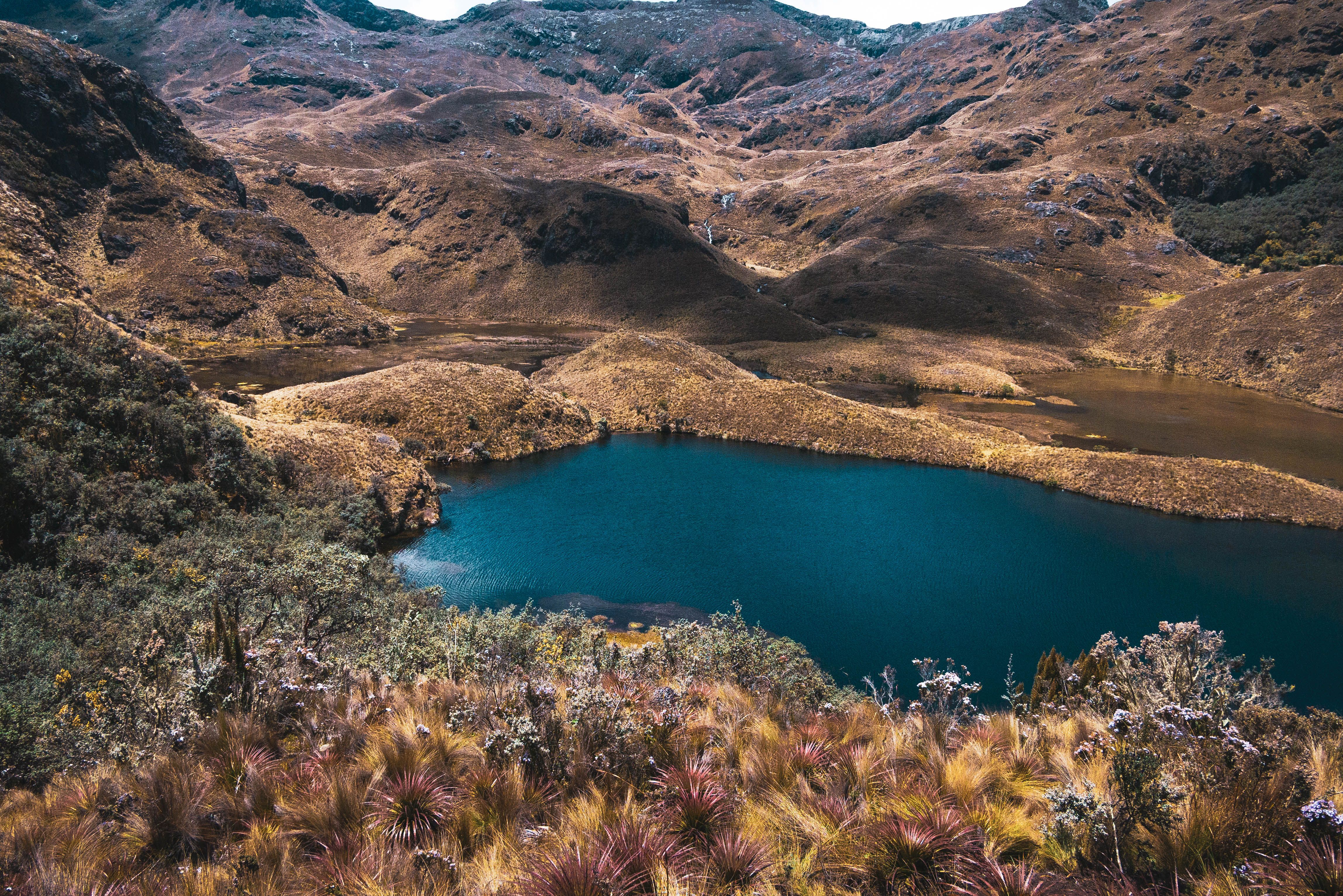
- El Cajas National Park — high-altitude lake and páramo landscapes, accessible from Cuenca.
- El Tambo — town near the site, with local market and access to regional transport.
Frequently asked questions
The dry season (June to September) offers the best conditions: clear skies and passable trails. The June and December solstices attract visitors for the Temple of the Sun's light alignments.
Yes. At over 3,000 metres elevation, wind and cold can be intense even during the day. Bring a jacket, hiking shoes and sun protection — UV radiation is high at altitude.
Yes, it's the classic excursion from Cuenca. Plan a full day: round-trip travel plus site and museum visit. Several local agencies offer this circuit with English-speaking guides.
Photography is generally permitted outdoors. Inside the museum, check the signage on-site, as certain pieces may be subject to restrictions.
Local guides are available at the site entrance. For a tour in English, it is preferable to book in advance through a Cuenca agency.
Partially. The terrain is uneven and some areas have slopes or ancient stonework. The museum is more accessible. Check with the site before your visit.
Interested in this visit?
We can include it in your personalised itinerary.