Cuenca
Cuenca
A colonial gem nestled at 2,538 m in the Andes, Cuenca combines UNESCO heritage, authentic Panama hats and the pristine lagoons of Cajas National Park.
Beyond being Ecuador's third-largest city, Cuenca stands as the country's cultural heart. It is a colonial city steeped in history, celebrated for its vibrant festivals, stunning architecture and breathtaking landscapes.
History
The region's earliest inhabitants arrived during the pre-ceramic period between 10,000 and 3,500 B.C., living as nomadic hunters and foragers. The city of Cuenca was officially founded in 1557.
During the colonial era, the Cuenca region was a vital center for agricultural production, mining and textile weaving. However, following Ecuador's independence struggle in 1820, its economy entered a period of decline.
Cuenca Today
Capital of the province of Azuay, Cuenca sits in an Andean valley in Ecuador. Spanning 8,639 km², it is bordered to the east by the provinces of Morona Santiago and Zamora Chinchipe, and to the west by Guayas and El Oro. The city extends across a plateau surrounded by mountains—a geography that inspired its name, which literally means "basin" in Spanish.
The city is divided into 15 urban parishes and 21 rural parishes. As of 2000, its population numbered approximately 580,000 inhabitants. More than 75% live outside the historic center, in the newer New Town district. This concentration explains why most of the city's modern infrastructure—shopping centers, hospitals, supermarkets, cinemas and restaurants—is located there.
Culturally, Cuenca remains the artistic center for southern Ecuador. Its artisans are renowned for producing ceramics, metalwork, guitars, jewelry and Panama hats. The majority of these handcrafted products are celebrated for their quality and originality throughout Ecuador.
The Cuenca region rises to altitudes exceeding 2,538 m. It stretches across a valley formed by mountain systems with exceptional characteristics. Its landscapes are nourished by a river system composed of four major waterways traversing the city from west to east: the Tomebamba, Yanuncay, Machangara and Tarqui rivers.
Cuenca is a paradise for expatriates and those seeking a higher quality of life. Its expatriate population numbers around 5,000 foreign residents, making visitors feel at home remarkably quickly during their time in the region.
What to Do in Cuenca
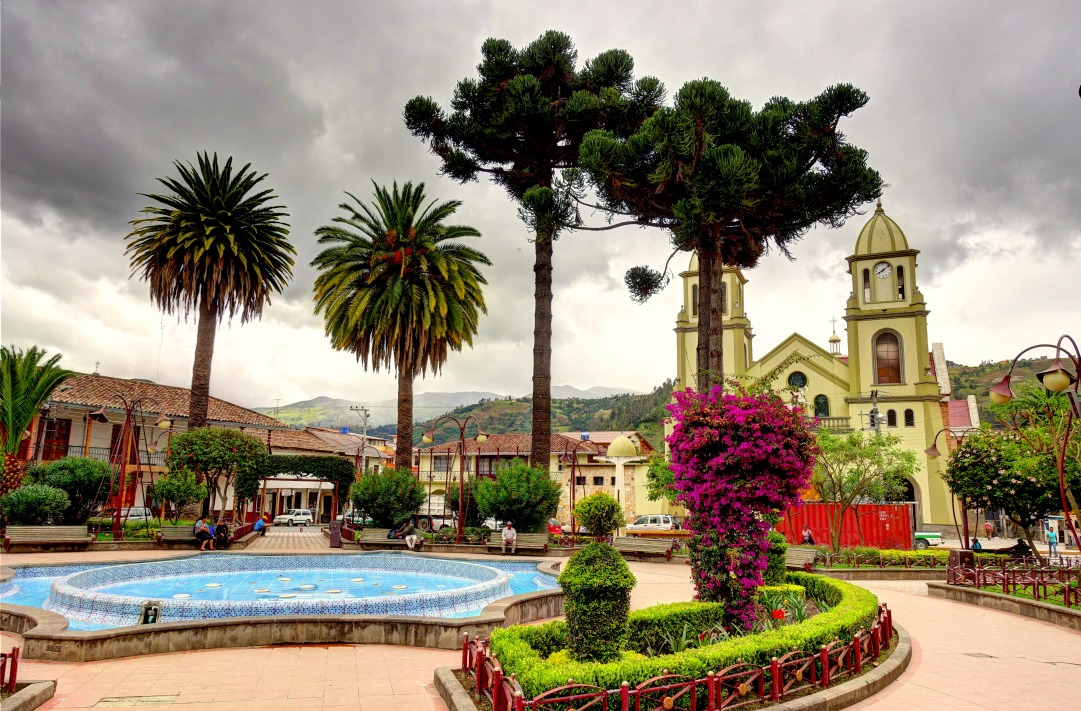
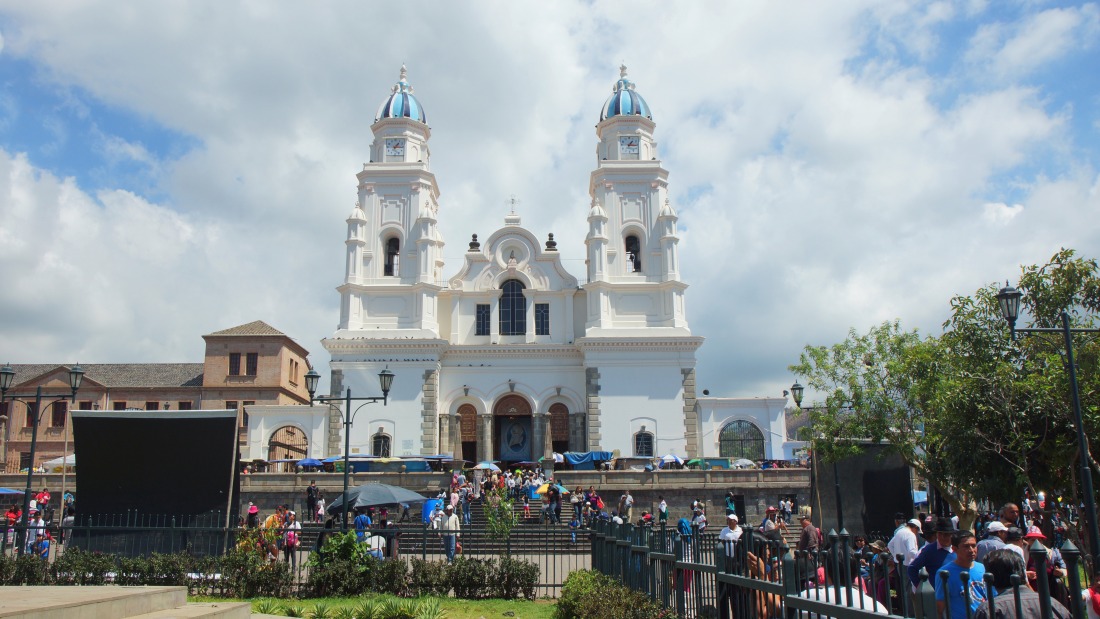
Cuenca offers beautiful parks, restaurants, markets and diverse cultural events. The city is widely recognized for its magnificent colonial architecture, which forms part of UNESCO's World Heritage. Walking tours represent one of the most rewarding ways to experience Cuenca's charm.
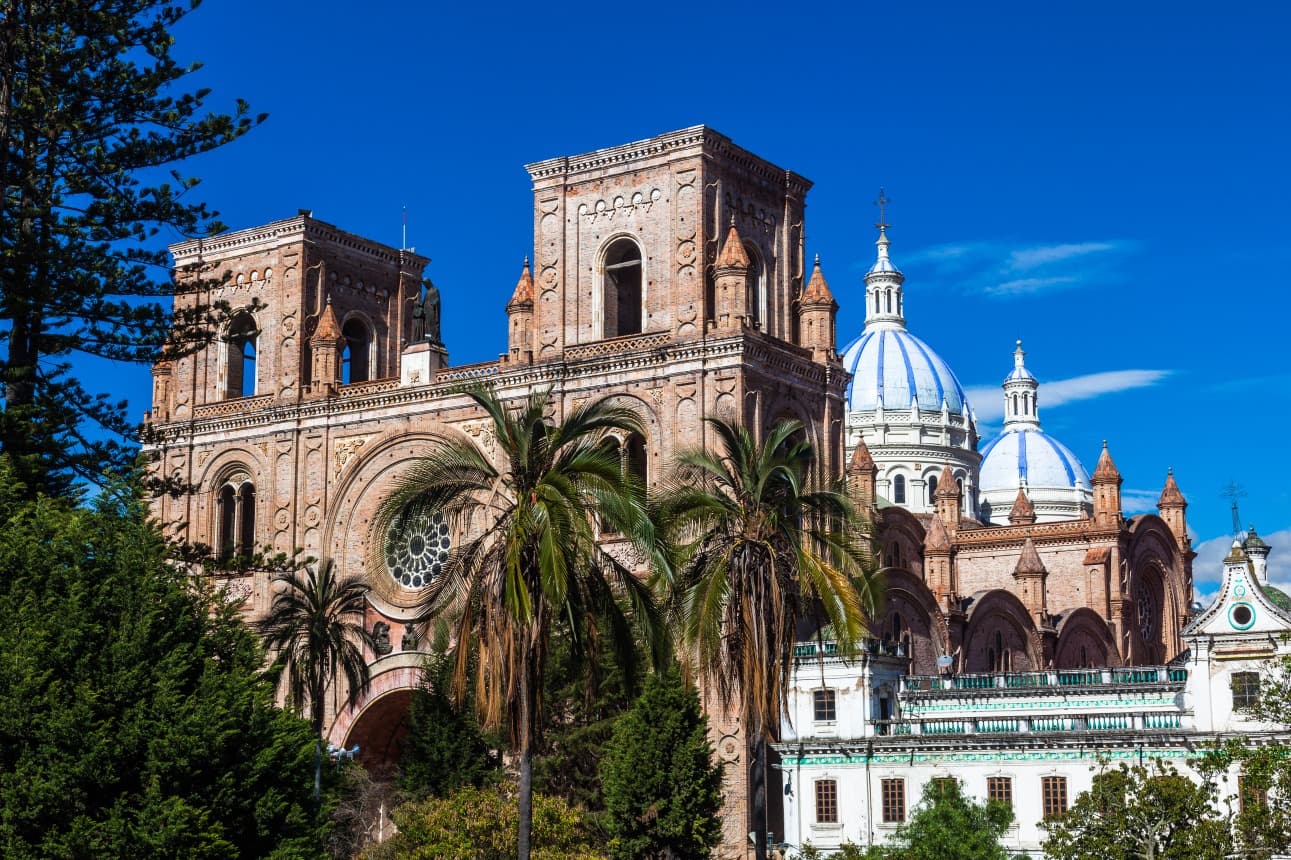
Among the city's oldest structures, the Old Cathedral—constructed in the 16th century—remains its most beautiful building. Today it functions as a museum, offering visitors an excellent opportunity to learn about the city's history, notably regarding Panama Hats. In keeping with the city's modern character, the 19th-century cathedral appears as the most contemporary architectural achievement. Beyond its imposing structure, it features a grand entrance with stunning stained glass and three large domes.
In its surroundings, Cuenca offers abundant activities for nature lovers. They can explore the small Amaru Zoo, Cajas National Park, or admire Puente Roto, a bridge built in the mid-19th century. Some visitors even undertake hiking circuits to the historic ruins of Ingapirca.
Climate
Cuenca's region enjoys a spring-like climate, remaining pleasant year-round with temperatures oscillating between 14 and 18°C. It experiences two distinct seasons: a rainy season and a dry season. The rainy period extends from January through May, characterized by sunny mornings and frequent afternoon showers. From June through December, the region experiences its dry season, marked by prolonged cool weather.
Air
Cuenca has a small airport with limited international connections. However, airlines TAME and LATAM provide regular domestic flights linking the city to Guayaquil and Quito.
Bus
Situated along the Pan-American Highway, bus travel is the best option for reaching Cuenca. Long-distance buses depart hourly from Guayaquil to Cuenca daily. Along this route, multiple buses also run daily from Quito.
Want to discover this destination?
Our local advisors design your tailor-made trip.