Macas
Macas
Nicknamed the Emerald of the East, Macas opens the gateway to Ecuadorian Amazon: Sangay volcano, Shuar communities and rafting on the Upano River.
Majestically nestled east of the Andes Cordillera near the Amazon rainforest, the city of Macas is known to travelers as the Emerald of the East. It is especially celebrated for its idyllic landscapes and nature fiercely protected by local communities. For ecology-conscious travelers, this region is perfect for hiking expeditions.
History
The word Macas, pronounced "makas" in Spanish, derives from the Macas Indians, a population believed to have inhabited much of what is now the Ecuadorian Amazon basin region.
The Macas region was founded in 1538 by a Spanish captain named Juan Villanueva Maldonado. At that time, it was called Sevilla del Oro, which means "Seville of Gold" in Spanish. After the city was rebuilt following its destruction in 1599 by a Shuar Indian uprising, it was renamed to its present-day name, "Macas."
Since 1929, the city has served as the capital of Morona Santiago province. Along with Tena and Puyo, Macas was one of the principal bases of Spanish dominion over indigenous peoples. This is why, in the 1960s, indigenous peoples established their regional congress seats there and prepared their political movements.
Discovering the City of Macas
Macas is one of the most modern cities in the Amazon jungle. It is the seat of Morona County and the provincial capital of Morona-Santiago, located in the southeastern part of Ecuador. It spans approximately 53.33 km on the eastern slopes of the Andes.
According to the 2010 census, Macas has a total population of 19,176 inhabitants, with a density of 360 per km². It is partly composed of indigenous communities such as the Shuar, Macabea, and Achuar.
Macas plays a crucial role in agriculture and livestock in the Amazon jungle region. Today it is a commercial hub for the production of cassava, bananas, papayas, coffee and cacao.
Macas boasts several good hotels and restaurants, with local dishes showcasing products known for their excellent quality.
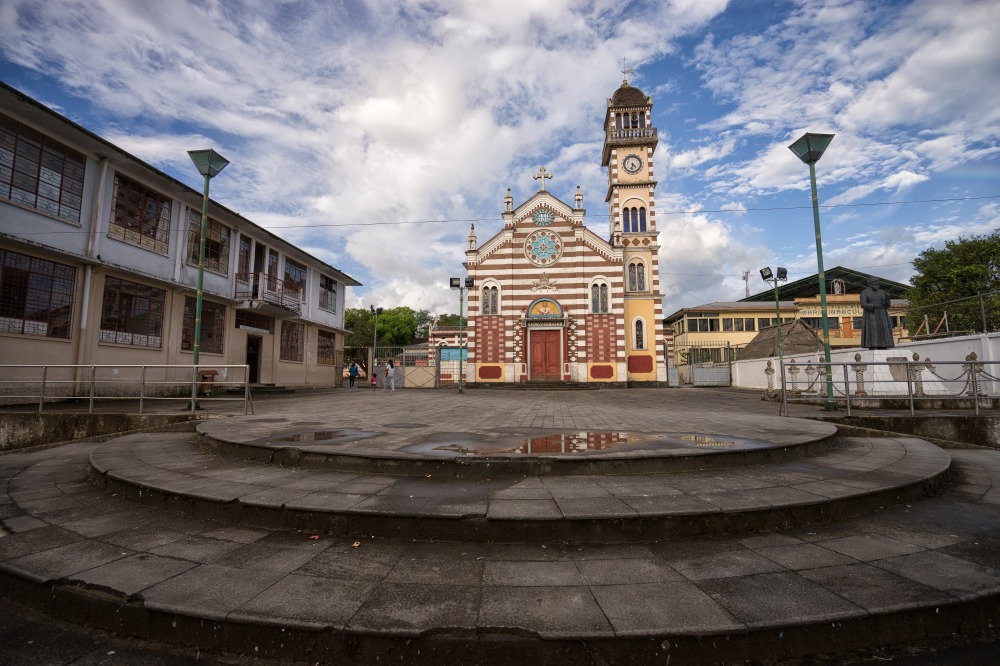
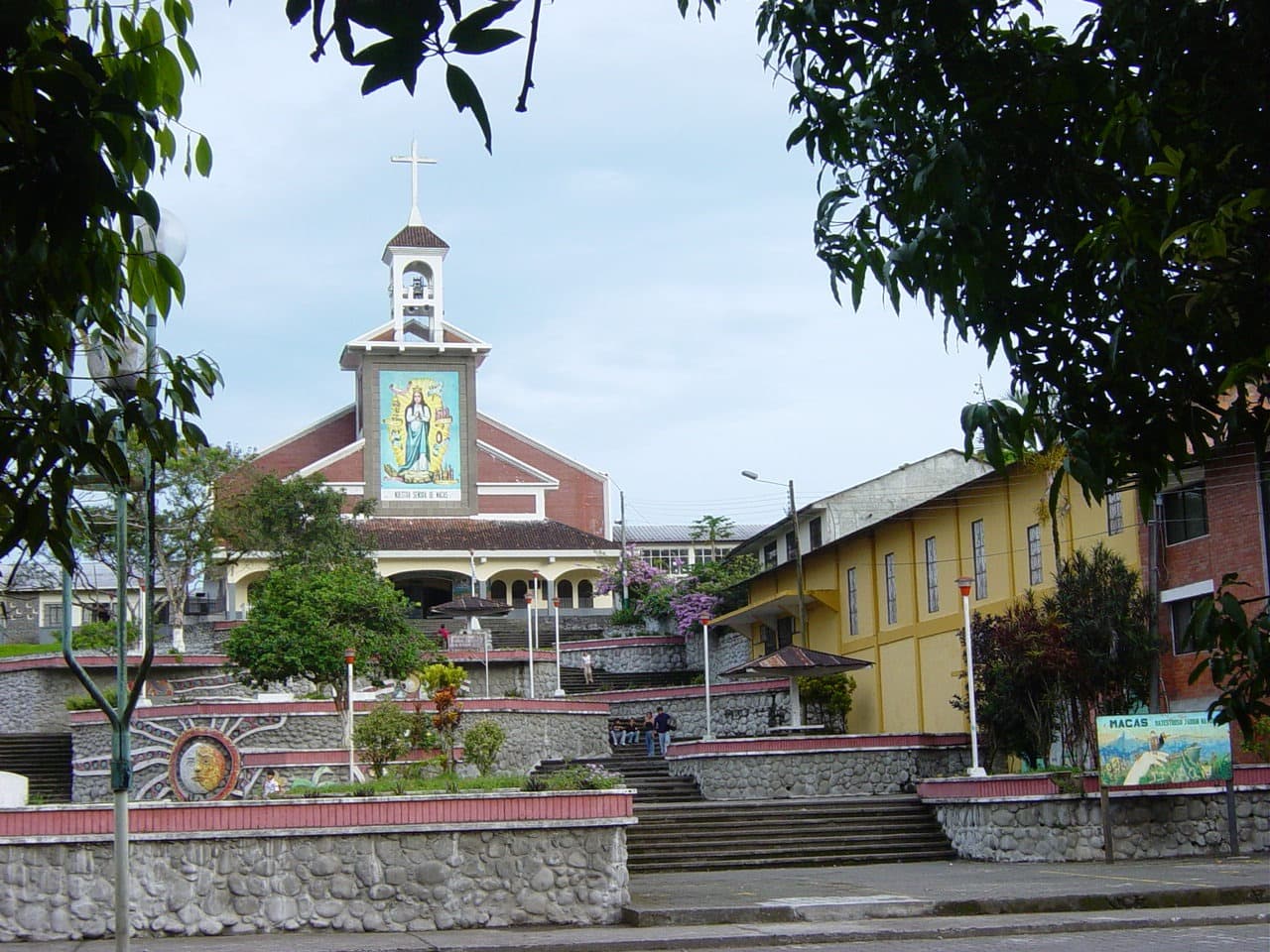
To develop the region, the local administration has given a boost to the tourism sector. Macas has some tourist infrastructure including markets, restaurants known as "huecos," and striking glass and concrete houses worth visiting. Highly impressive, these structures are very popular attractions in the city. Built in a Western architectural style, the Cathedral of La Purisima de Macas is a modern church. In the past, the building was a cave carved into a mountainside, serving as the home of the virtuous hermit Juan de la Cruz. The cave was discovered by Father Pedro Porras on July 24, 1986, and was transformed into a Catholic church. For Ecuadorian Catholics, the church symbolizes the pre-Columbian era before the arrival of the Spanish. The story of the Virgin is also told and depicted here. The building is divided into three levels, with the center marked by a striking white image of Christ standing 6 meters tall.
To fully enjoy the region's idyllic landscapes and discover the genuine culture of indigenous peoples, nothing beats embarking on a hiking expedition deep into the Amazon rainforest. As you leave the city, you'll already appreciate its scenery formed by lush valleys, sparkling streams and pristine forests. The region also boasts numerous ecological parks.
Meeting Indigenous Communities
Encountering the indigenous communities of Macas is a truly unique experience! These tribes have inhabited the region for centuries. Despite modernity, certain traditions such as dress codes and beliefs are still respected. Among the Shuar, men often wear their traditional beads over Nike t-shirts. Furthermore, the tribe practices shamanism and uses ancestral medicine to heal its members.
Sangay Volcano
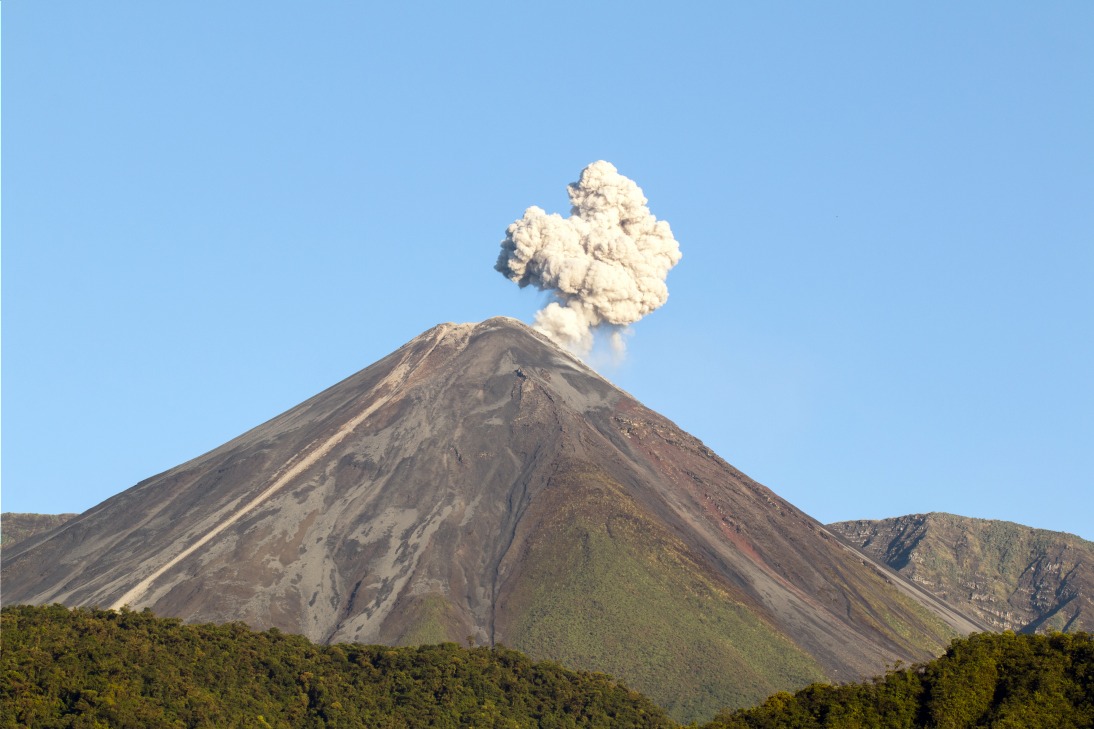
Dominating the landscape beyond the city, Sangay volcano ranks among the most important attractions of Macas. This natural giant with its eternal snow towers at over 5,250 meters in altitude. It is the seventh largest volcano in Ecuador. At dusk, it emits a faint glow of light, proof that the lava inside the crater continues to churn.
"La Cascada" Ecological Park
The large ecological park of "La Cascada" is located 3 km from the city of Macas, on the right bank of the Upano River. It is very pleasant to stroll through, and make your way to the 8-meter-high waterfall. You can enjoy its natural water slide to slip down into the pool below and refresh yourself.
Climate
Situated at over 1,050 meters in altitude, Macas enjoys an oceanic climate that is warm with no dry season. Rainfall is very abundant, averaging 553.1 mm annually. The average temperature throughout the year is only 16.3°C.
The city of Macas is easily accessible from Rio Pastaza via one of its two bridges. After these bridges, the city is traversed to the north by the road to Puyo and to the west to Riobamba.
Bus
Buses heading to Macas operate on regular schedules. Those to Guamote depart at 7 a.m., 12 p.m., and 4 p.m. for a 5-hour journey. From Mercado San Francisco in Riobamba, the connection between the city and Atillo is served by two or three daily buses.
Air
To reach the city of Macas, it is possible to fly from Quito.
Want to discover this destination?
Our local advisors design your tailor-made trip.