Yasuni National Park
Yasuni National Park
At the heart of Ecuador's Amazon, Yasuni National Park concentrates extraordinary biodiversity, blackwater lagoons, and Waorani communities.
Yasuni National Park is a natural sanctuary of Ecuadorian biodiversity. This destination is celebrated for its remarkable diversity of amphibians, birds, mammals, and plants. An excursion into this protected area promises a magical encounter with pristine nature. Lush vegetation, lagoons, lakes nestled within primary forest, numerous rivers, authentic villages, endemic animal and plant species—the park plays a vital role in protecting genetic resources while maintaining the harmonious balance between humanity and nature.
History
Yasuni National Park officially opened its gates on July 26, 1979. As one of Ecuador's 44 protected areas, the park was designated by UNESCO in 1989 as a biosphere reserve. Essentially formed by red clay soils, this zone is extremely rich in petroleum deposits. Today, it faces threats from oil exploitation. Several indigenous Amerindian tribes have been displaced from their ancestral lands, which harbored countless plant and animal species. Unfortunately, this is not an isolated case—several protected areas in Ecuador have recently suffered massive deforestation. To limit forest degradation, a large-scale conservation program, financed by Ecuador's Ministry of Agriculture and Livestock, local environmental organizations, and indigenous communities, was launched in 1992 across the Yasuni park region and other protected areas nationwide. This initiative aims to strengthen the capacity of Ecuadorian agencies to protect resources, promote non-destructive uses, and advance ecotourism development. Seeking to expand protected zones, Ecuador's government has repeatedly modified Yasuni's boundaries and size. Through government decrees in 1990, a substantial portion of the park was transferred to the Waorani Reserve.
Today
Yasuni National Park lies in equatorial Amazonia, in northeastern Ecuador. Located in the provinces of Orellana and Pastaza, it sits approximately 250 km from Quito, the nation's capital. The park's topography is relatively gentle, comprising a forested zone and alluvial plains with gently rolling relief interspersed with extensive marshlands. The region is traversed by the Napo and Pastaza rivers, the two principal river systems of northeastern Ecuador. The Waorani communities are the primary inhabitants of this area. The park stands as an essential destination for community-based ecotourism in Ecuador, offering the chance to discover the traditional way of life of indigenous peoples rooted in ancestral practices. While some community members have begun abandoning traditions due to oil extraction, the tribe overall remains deeply committed to its cultural heritage.
Expeditions in Yasuni National Park
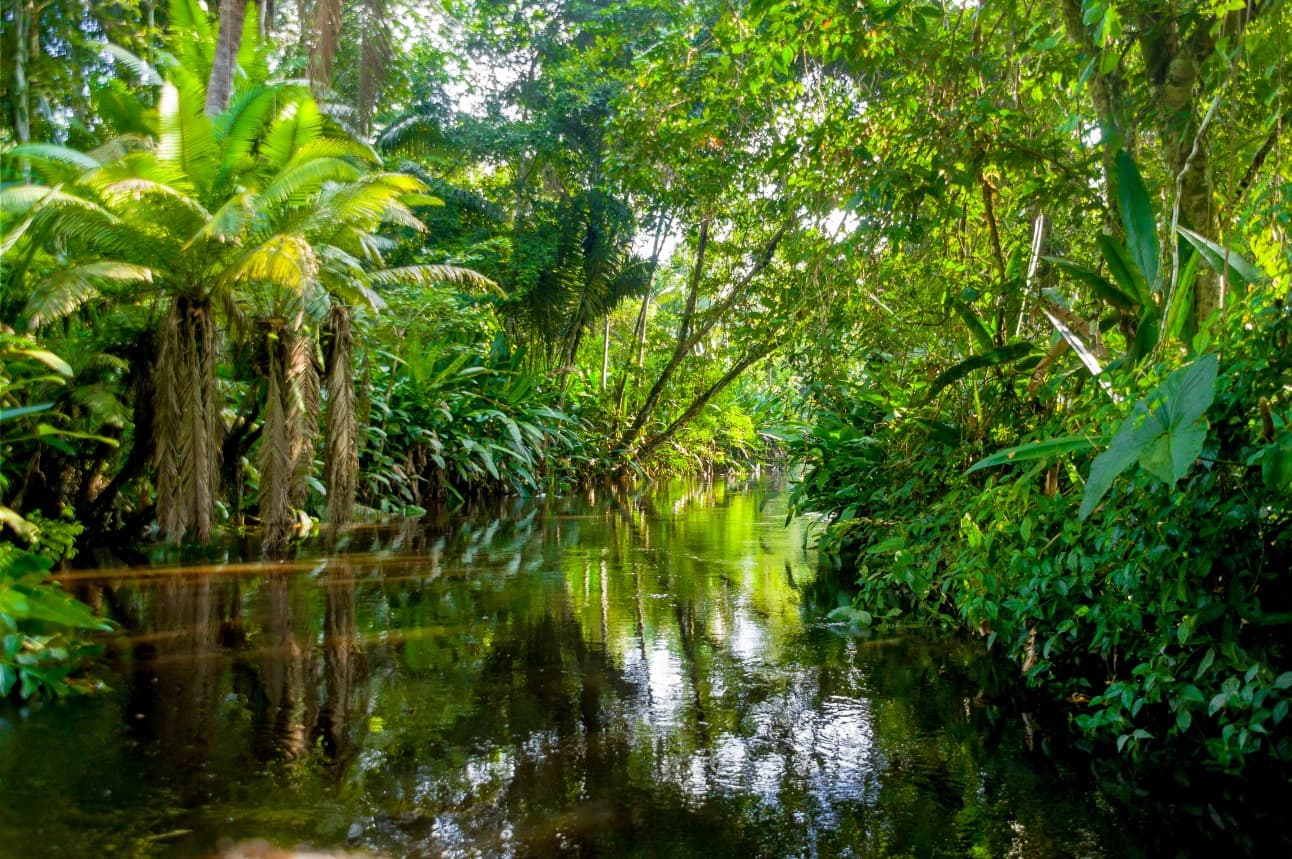
Given the park's vastness and biological significance, excursions represent the optimal way to fully experience a visit. Expeditions typically last 2 to 3 days and include multiple itineraries and activities. To spot and observe the full range of wildlife and flora throughout the reserve, you'll want to undertake blackwater canoe and kayak excursions through the winding channels. The itinerary features: jungle hikes, observation towers, night walks, parrot-watching expeditions, and an immersive cultural experience at the Napo Cultural Center. Many lodges also offer opportunities to observe various bird species including macaws, toucans, and other vibrant species. Expedition routes can be combined with visits to the lagoons of Anango, Panacocha, Jatuncocha, and Garzacocha, as well as the Tiputini River. It's also possible to visit the PUCE Catholic University research station.
Extraordinary Biodiversity
Yasuni National Park is Ecuador's largest and most important protected area. Scientists—particularly botanists and ethnobotanists who have conducted extensive inventories—rank it among the world's most biodiverse reserves. For the communities living within its boundaries, the park represents an immense genetic resource library. A non-exhaustive fauna inventory has documented approximately 200 mammal species, 610 bird species, 111 amphibians, 107 reptiles, and 268 fish species. The park is home to nearly 51 confirmed endemic species, many of which are rare and/or threatened, including certain bat species. During your visit, you may encounter pink river dolphins, caimans, turtles, rays, coatis, parrots, monkeys, reptiles, jaguars, armadillos, giant otters, and countless other rare species. Yasuni National Park comprises humid primary forest. Its vegetation includes approximately 4,000 flowering plant and tree species. Several endemic species are confirmed by local communities and classified by the IUCN as threatened or vulnerable. The park also abounds with fungi, bryophytes, lichens, algae, and photosynthetic bacteria. It harbors numerous plants with medicinal properties, as well as species traditionally used in canoe construction, such as Cedrelinga Cateniformis.
Climate
The Yasuni Biosphere Reserve ranges in altitude between 200 and 350 meters. This elevation fosters an extremely humid climate. Annual average temperatures fluctuate between 15°C and 38°C, with annual rainfall reaching 2,425 mm. It is therefore exceptionally rare for rain to cease for more than 10 consecutive days. Consequently, certain forest areas remain perpetually waterlogged. The region does experience a less humid period between August and February.
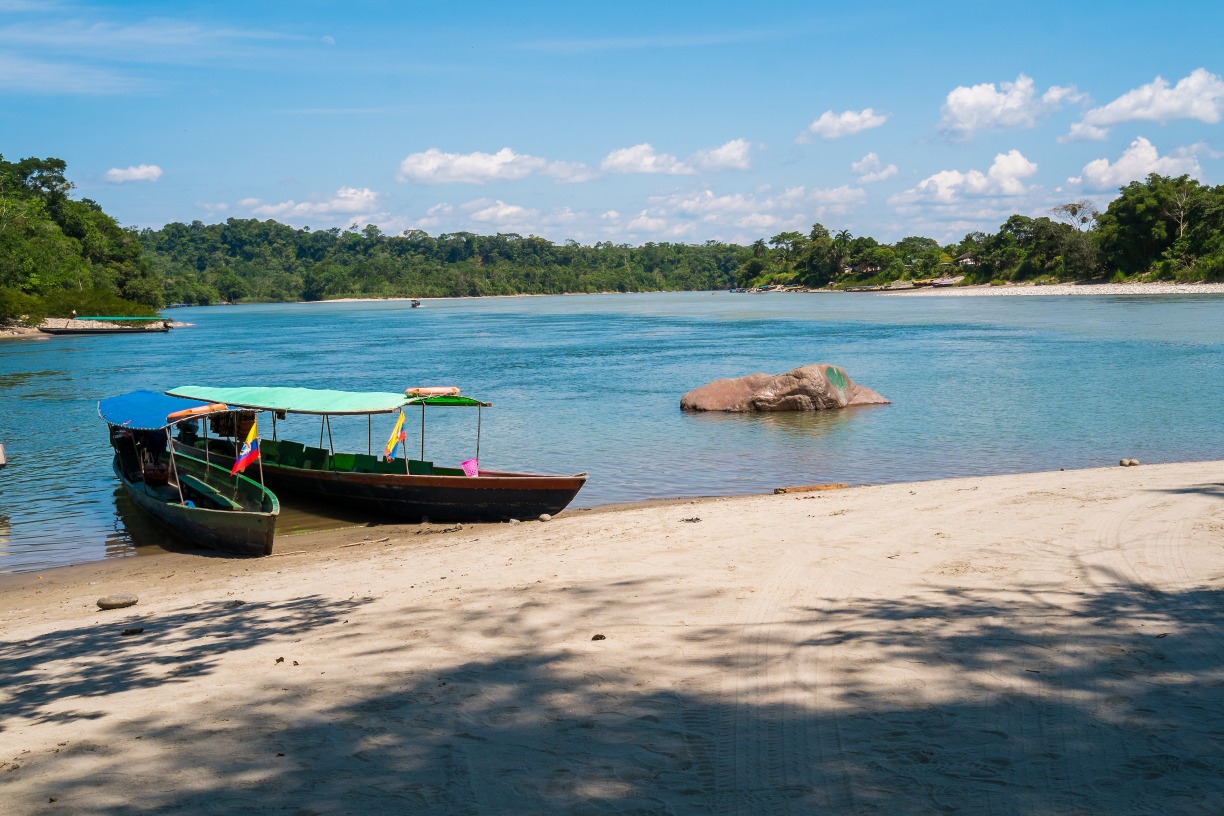
From Coca, accessing Yasuni National Park is straightforward—simply follow the Napo River.
Want to discover this destination?
Our local advisors design your tailor-made trip.