Coca
Coca
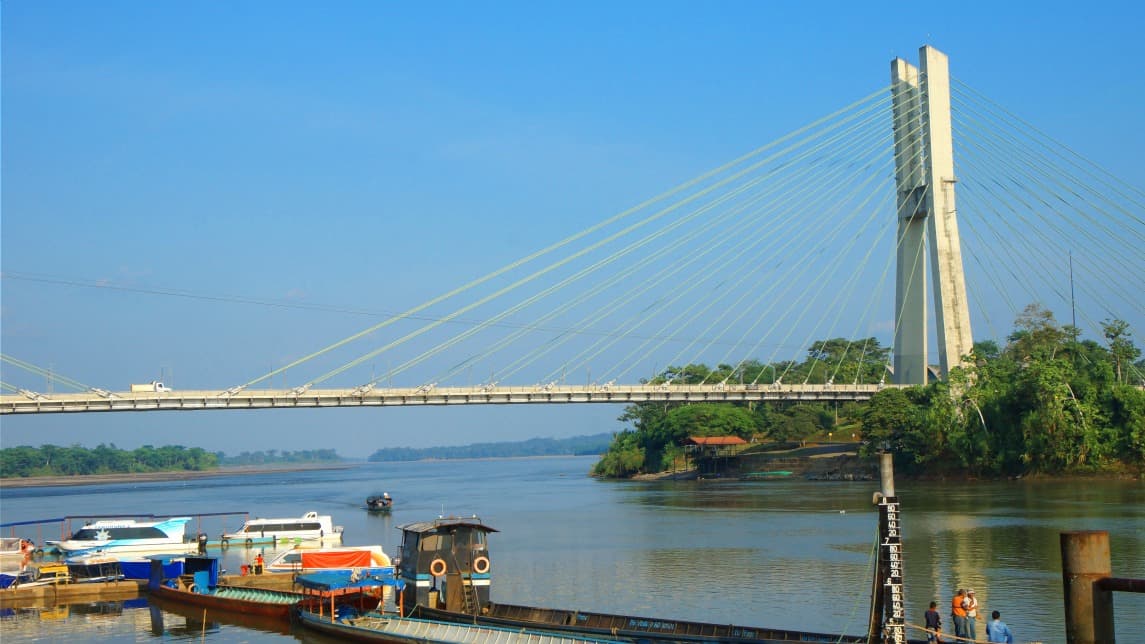
At the confluence of the Napo and Coca rivers, Puerto Francisco de Orellana opens the way to Yasuni National Park, Kichwa peoples, and Ecuadorian Amazonia.
Coca is one of the most important cities in the Oriente. It stands as an essential starting point before venturing into the Amazon jungle. This is why the city is widely regarded as the gateway to Ecuador's rainforest. With its historical monuments built by its ancestors, this place positions itself as an important destination for enthusiasts of pre-Columbian history. Its most compelling attractions blend nature, modernity, history, and tradition.
History
Founded in 1949, the city of Coca takes its name from an ancient indigenous custom of chewing coca leaves.
Once a modest, quiet village, Coca underwent a dramatic transformation following the discovery of significant oil deposits in the region during the 1970s. It evolved into a major city and, by 1990, became a sprawling hub for the petroleum industry. Since 1999, it has been officially designated as the capital of Orellana Province, Ecuador's newest province. Since then, it has been known as Puerto Francisco de Orellana, named after the explorer of the confluence region where the Coca and Napo rivers meet.
Today
Situated northeast of Tena, 175 km from Quito the capital, Coca sits at the confluence of the Coca, Payamino, and Napo rivers. It spans more than 146.26 km² and was home to approximately 18,298 inhabitants as of 2001.
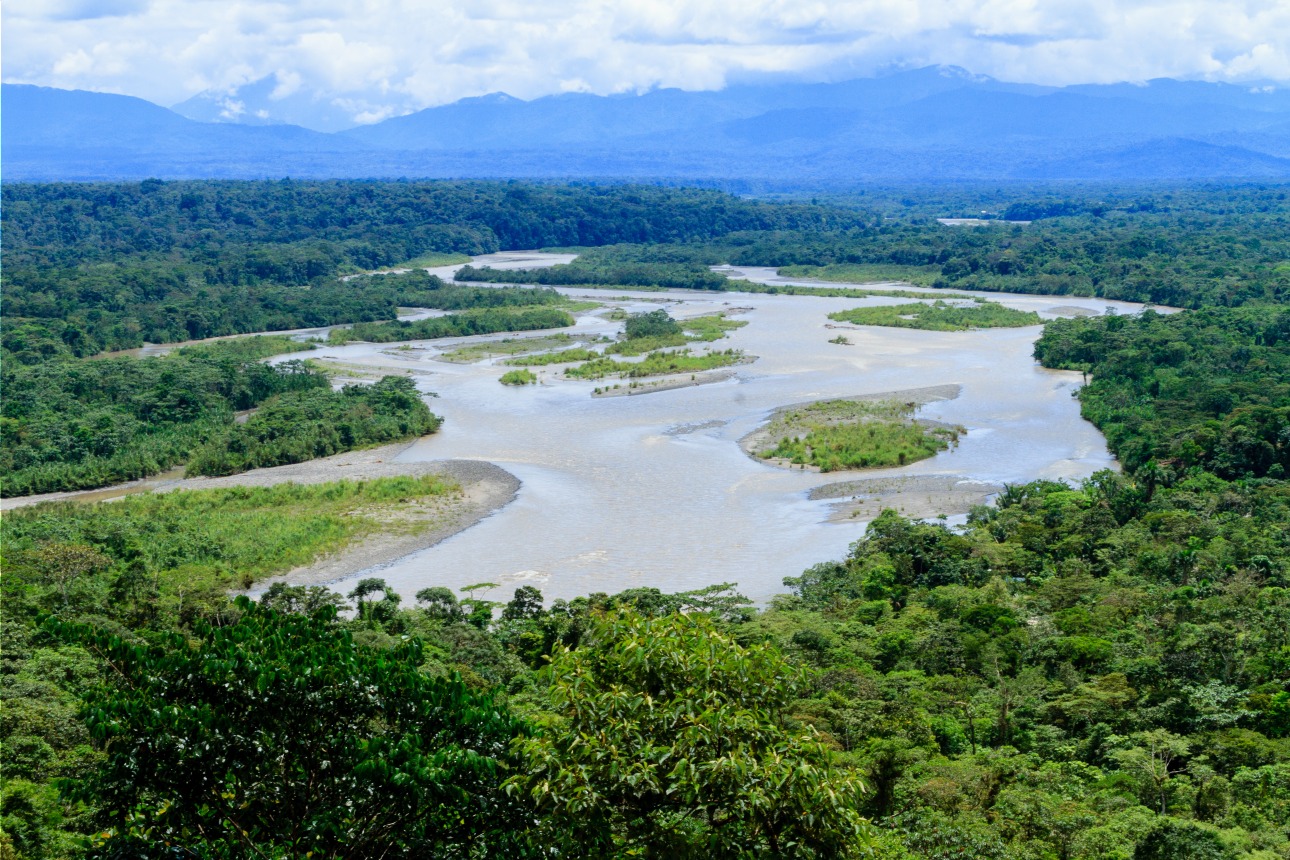
Although dominated by Amazon rainforest, the landscape of the Coca region bears witness to the tragic consequences of oil extraction—deforestation, petroleum retention ponds, and cultural erosion.
Despite this troubling legacy, the forest endures. Coca's municipal government is investing in tourism and commercial infrastructure to shift the region's economy toward alternative revenue sources. The considerable degradation of the jungle due to petroleum extraction has significantly hindered the city's tourism potential. To address this, the government launched the Malecón project in 2000, an initiative featuring an environmental education and tourism center.
Coca boasts numerous tourism facilities, some of which remain quite impressive. While not abundant, the hotels, restaurants, bars, and nightclubs are of good quality and line the picturesque banks of the Napo River.
The reserves surrounding Coca are home to numerous tourist lodges, most of which maintain their own protected area. During your stay in Coca, you can admire diverse bird species, insects, butterflies, and plants.
Downstream along the Rio Napo, it is very easy to reach Yasuni National Park, a protected area recognized by UNESCO since 1989. The region where the park is located is inhabited by indigenous peoples such as the Huaorani, Tageari, and Taromenari. Highly traditional, these peoples continue to live by ancestral customs. Consequently, some among them are quite cautious and deliberately avoid contact with the Western world.
Among the city's major attractions, the Orellana Archaeological Museum has, since its opening in 2015, preserved an in-depth history of the indigenous Napo community. Across its three floors, it offers visitors multiple exhibits showcasing an extensive pre-Columbian collection of Omagua culture and their rituals concerning the life cycle. It also presents the interaction between inhabitants and the jungle. Inside, the museum further provides a library, an art exhibition space, and an auditorium capable of hosting events and film screenings.
Housing mistreated or confiscated animals from illegal trade, the small Coca Zoo constitutes another city attraction. Most of the animals housed there are rare species or extremely difficult to find in the jungle. During your visit, you can observe tapirs, peccaries, ocelots, anacondas, monkeys, and Ecuadorian tortoises. The zoo is located outside the city and is accessible within minutes by taxi or bus.
Climate
According to the Köppen-Geiger classification, the Coca region enjoys a warm and humid desert climate. During rainy periods, average precipitation reaches over 192.4 mm. With only an average of 4.4 mm of precipitation, October remains the driest month of the year, while April is the wettest with average precipitation of 36.7 mm.
Throughout the year, it records an average temperature of 25.7°C. Generally, the Coca region maintains a temperate climate even during the coldest periods of the year. In August, the coldest month, temperatures dip only to 23.1°C.
Airplane
For a 25-minute flight, Coca is connected daily to Quito and Shell by airlines Aerogal and TAME. The city's airport is located approximately 2 km north on the left side of the road toward Lago Agrio.
Bus
Coca is among the few destinations in Ecuador accessible by bus. It has two bus terminals: the first handles interprovincial transport and the second serves tourism destinations within the province. Bus companies operate routes to other Ecuadorian cities such as Lago Agrio, Tena, Misahualli, Baeza, and Cumandá from Quito. From Quito, the bus journey to Coca takes approximately 5 hours.
Boat
Daily, speedboats depart Coca for Nuevo Rocafuerte, a small farming village located at the Peruvian border.
To move around the city and reach its various attractions, taxis are not only the most convenient but also the most economical means of transport. Generally, even the longest journey costs only 2 USD.
What to Do in Coca?
- Explore the tropical rainforest by visiting Yasuni National Park while discovering local biodiversity.
- Visit the Macco Archaeological Museum and rediscover the region's pre-Columbian history.
- Get up close with rare species at Coca's small zoo.
Want to discover this destination?
Our local advisors design your tailor-made trip.