Ecuador, a Volcanic Land
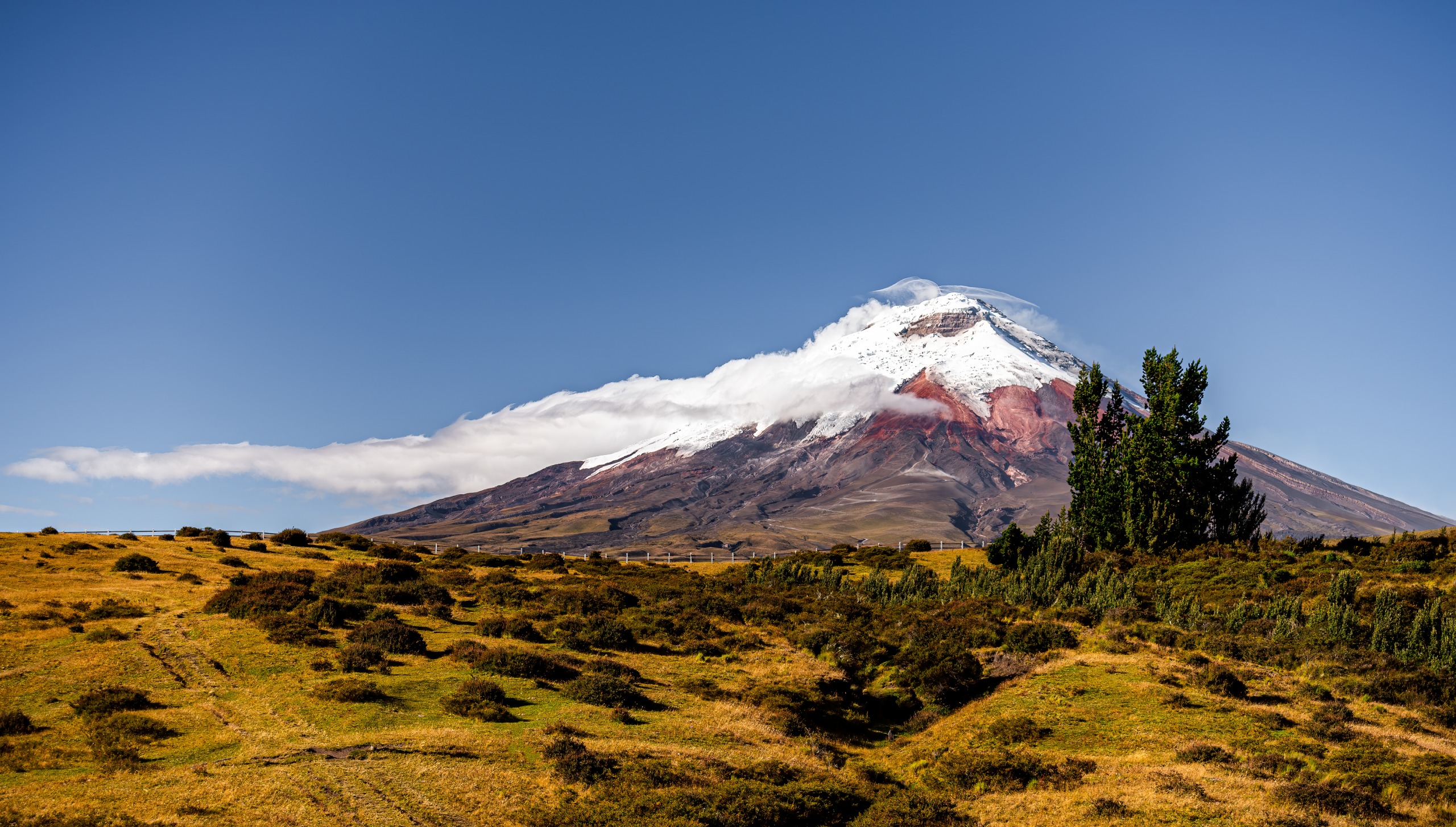
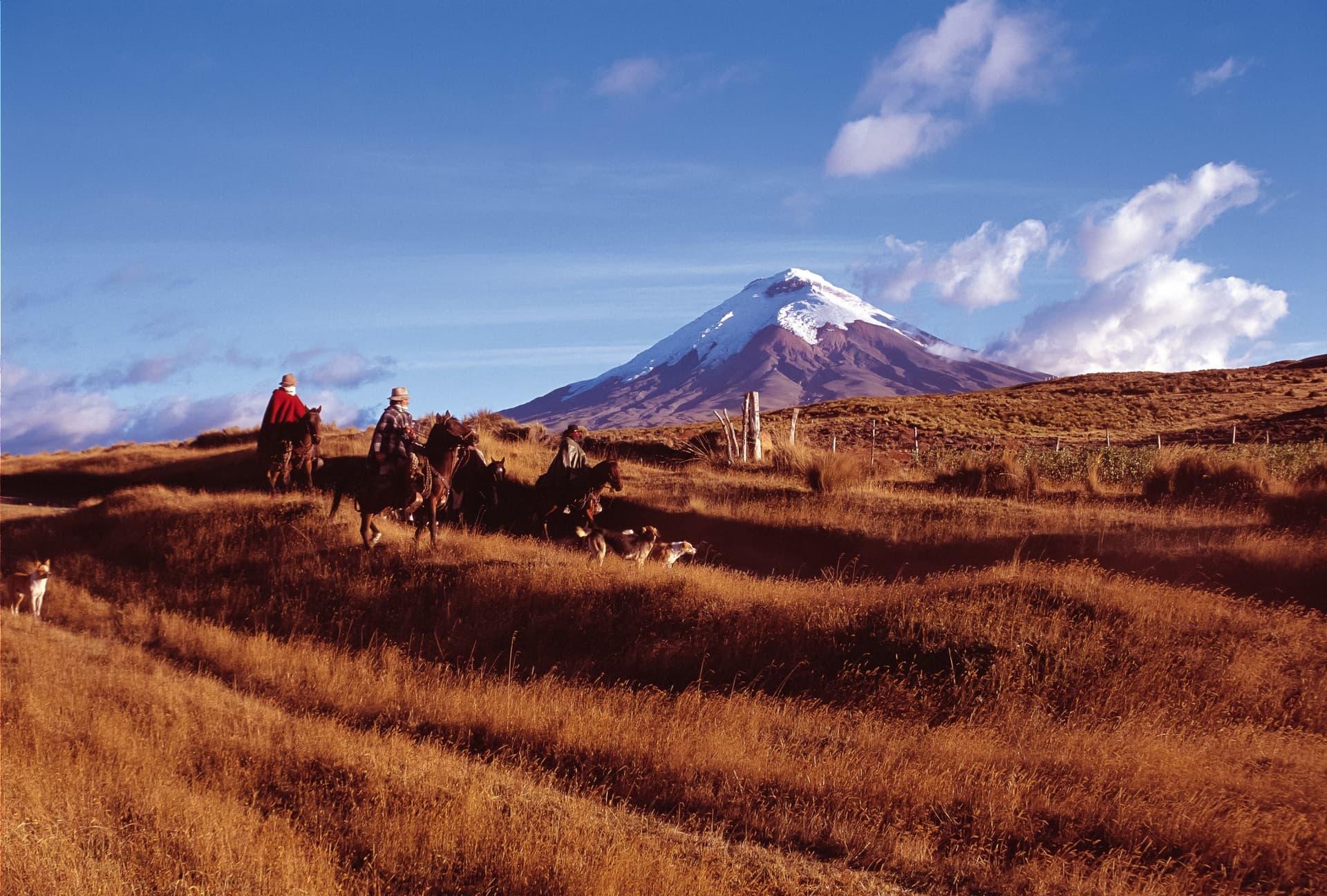
A stay in Ecuador can be filled with mountain visits. The country is indeed traversed through its center from north to south by the legendary Andean Cordillera.
A stay in Ecuador can be filled with mountain visits. The country is indeed traversed through its center from north to south by the legendary Andean Cordillera. It is home to more than 60 documented volcanoes, including around a dozen that tower above 5,000 meters in altitude. Here are some tips to help you prepare for discovering these Ecuadorian volcanoes.
Your expedition to conquer Ecuador's highest peaks will often begin in the capital, Quito. Here everything is available—you can sleep, dine, and equip yourself with ease. You'll also be ideally positioned to quickly reach the country's highest volcanoes. The best times for such climbs are typically June through September or November through February. Since Ecuador doesn't experience truly distinct seasons, you're not protected from rain or wind, though the period from March to May is the least favorable. Snow will often be part of the experience, and you can take advantage of your visit to these lofty peaks to strap on your skis and race down some slopes! If you prefer to handle the volcanic ascents on your own, you can equip yourself with basic mountain hiking gear: an ice axe, crampons, a rope, and a safety kit are more than sufficient, not forgetting of course some rations. The mountain refuges you'll encounter along your route will prove invaluable, allowing you to make the most of this incredible place and enjoy well-deserved rest after long hours of hiking!
Chimborazo
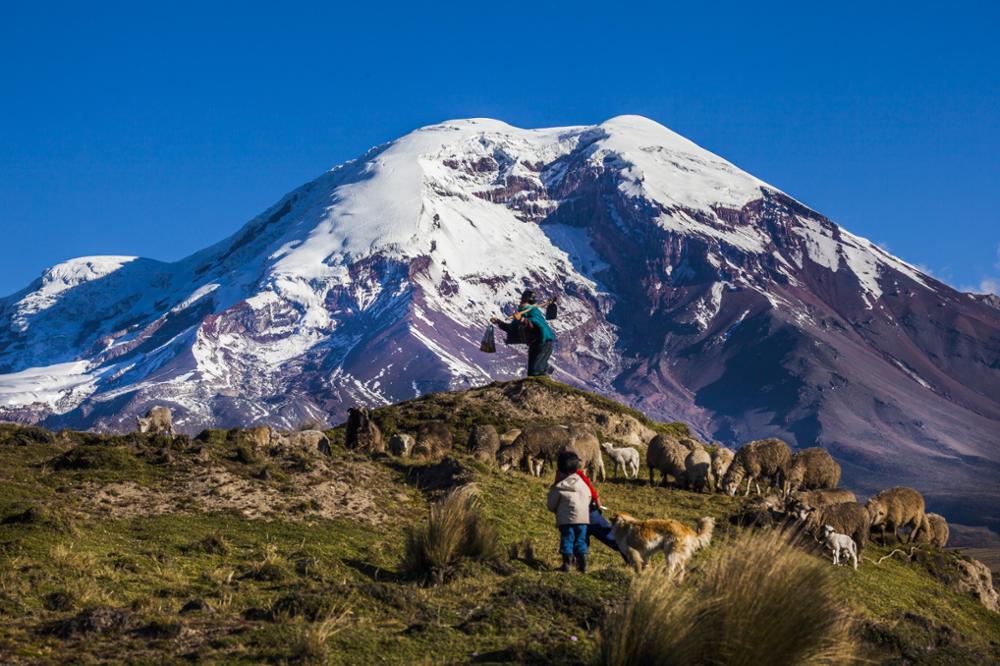
Let's start with something substantial, the biggest, we'd say. The Chimborazo volcano, which rises to over 6,200 meters in altitude, is Ecuador's highest peak. You can depart from Quito heading toward the city of Riobamba, to the south, just kilometers from the volcano's base. Here you won't have any trouble finding a guide to take you to the refuges on the flanks of this peak. Be warned, however, that while the volcano presents a minimal eruption risk—the last eruption occurred 10,000 years ago—the danger can come from the snow present and avalanches in the event of violent winds. You'll be able to reach several refuges such as the Whymper refuge at 5,000 meters altitude, just below the glaciers. You can spend the night here before attempting the final ascent if you wish.
Cotopaxi
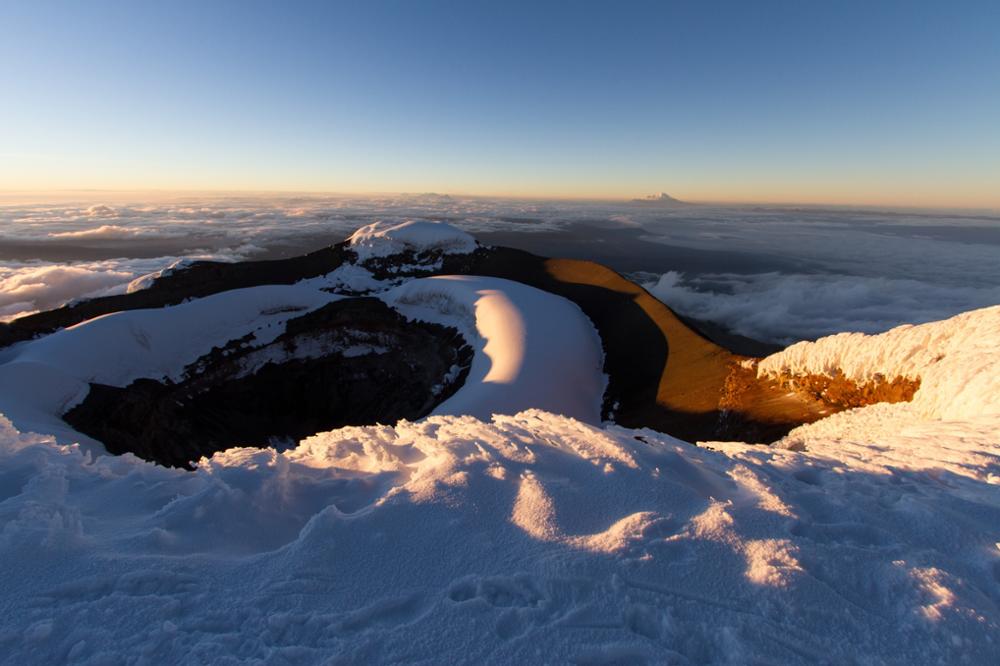
The impressive crater of Cotopaxi attracts mountaineering enthusiasts from around the world. The summit of this peak rises to 5,900 meters in altitude and is more easily accessible from the north face. From Quito, you'll need to reach the city of Latacunga to the south, midway between the capital and Riobamba near Chimborazo. Here you can rent a vehicle or find a guide/driver to escort you. A refuge located at 4,800 meters altitude is highly recommended and will be suggested to you along the way. You can drop your bags here and take a break before the climb. In total, plan for 4 hours to reach Cotopaxi's summit, reach the caldera, and contemplate the crater. The descent is faster, taking 1.5 hours.
Frequently asked questions
Chimborazo volcano is Ecuador's highest peak at 6,200 meters altitude, followed by Cotopaxi which rises to 5,900 meters. The country is home to more than 60 documented volcanoes, around a dozen of which exceed 5,000 meters.
The most favorable periods for climbing Ecuador's volcanoes are June through September and November through February. The March to May period is generally least recommended due to more frequent rainfall. Note that Ecuador doesn't experience truly distinct seasons.
A local guide is strongly recommended for climbing these volcanoes, particularly for safety at altitude (snow, glaciers, avalanche risk). You can find guides in Riobamba for Chimborazo or Latacunga for Cotopaxi.
For climbing Ecuador's volcanoes, you'll need at minimum an ice axe, crampons, a rope, a safety kit, and food rations. You can easily equip yourself in Quito before departure.
Climbing Cotopaxi from the refuge at 4,800 meters takes approximately 4 hours to reach the 5,900-meter summit and view the caldera. The descent is faster, taking around 1.5 hours.
Chimborazo presents a very low eruption risk, with its last eruption occurring approximately 10,000 years ago. The primary danger comes from weather conditions: snow and avalanche risks in the event of violent winds, particularly near the glaciers above the Whymper refuge at 5,000 meters.