Climbing Cotopaxi: How to Prepare?
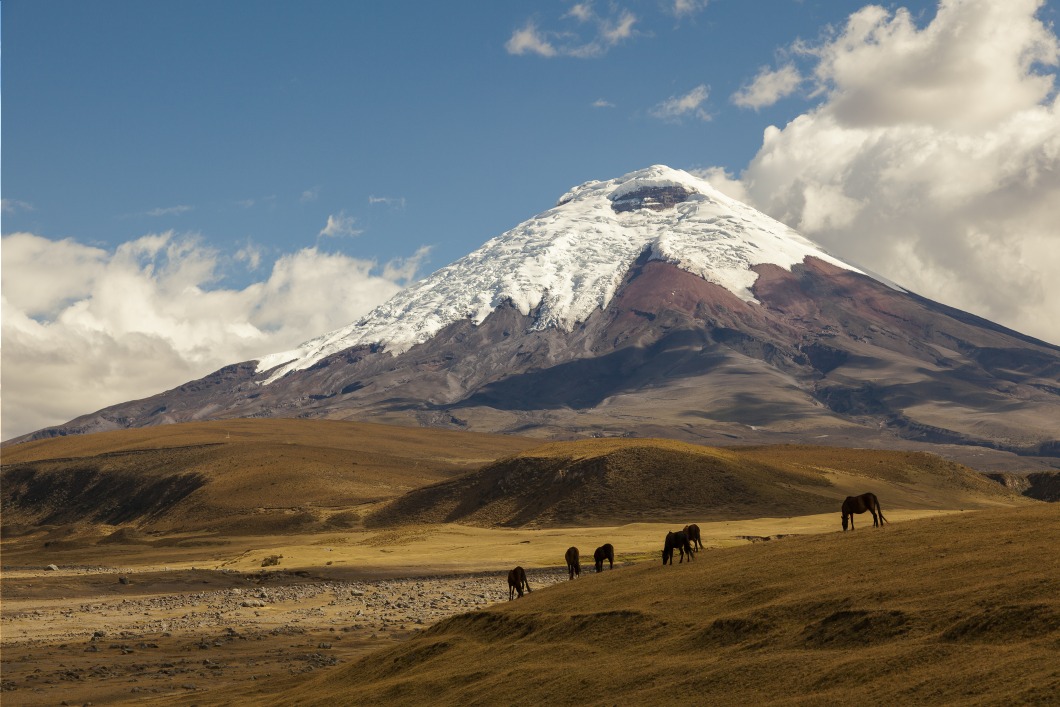
Discovering the Cotopaxi volcano requires thorough preparation. Why? This Ecuador volcano stands at 5,897 meters!
Embarking on the discovery of Cotopaxi volcano calls for careful planning. The reason? This Ecuador volcano rises to 5,897 meters! At such an altitude, it's essential to properly organize your trek and prepare for altitude sickness… We'll tell you everything about climbing Cotopaxi - how to prepare, how to get there, and what gear to bring…
Climbing Cotopaxi: How to Get There?
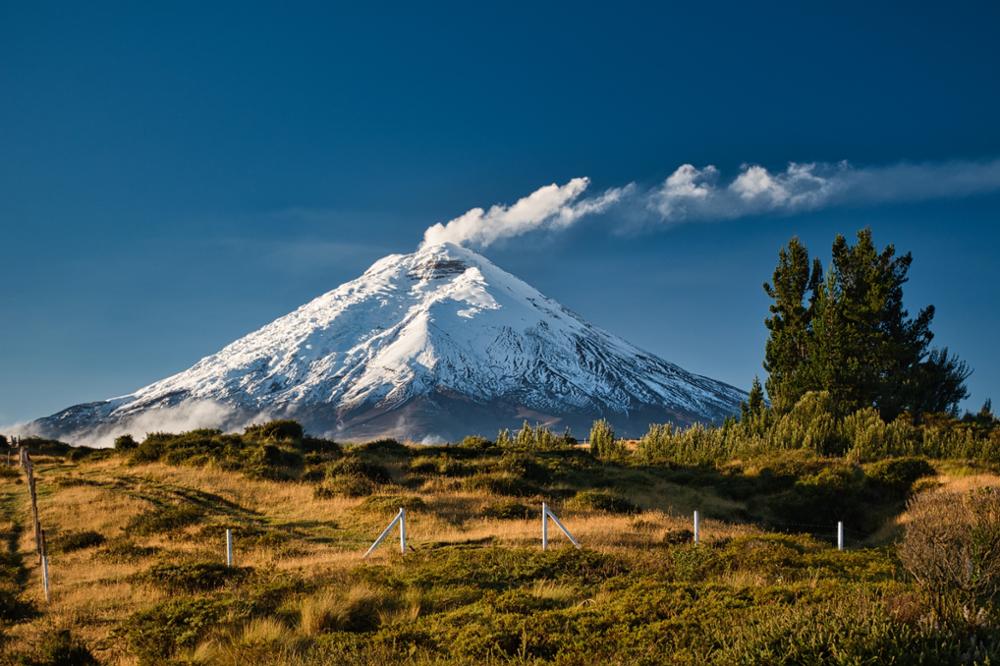
The volcano is located within the Cotopaxi national park. To explore it, you'll need to visit this magnificent natural site spanning more than 333 km².
Reaching the Park's Parking Areas
The southern entrance (located along the Pan-American Highway)
This entrance's parking lot is accessible by bus from Quito, Machachi, or Latacunga (simply ask the driver to drop you at the highway exit near the entrance – drivers are accustomed to this).
The northern entrance (toward Loreto de Pedregal)
This access point is less popular than the southern entrance. It can be reached from the town of Machachi via the Playón de la Marin terminal (located in Quito).
Reaching the Park Entrances (Hiking Departure Points)
By Jeep
From the parking lot to the park entrance, you can board a camioneta (Jeep, pickup, 4x4). The cost depends on the number of passengers. Solo travelers pay the highest rate, around €55. With two people, costs are split in half, and so on. A Jeep accommodates a maximum of 5 people.
By Mountain Bike
You can also rent an MTB for about fifteen euros per day to reach the park. While there's no rental service inside the park itself, numerous agencies operate in the departure cities.
Trekking Cotopaxi: What Excursions Are Available?
1-Day Excursion
Exploring Cotopaxi National Park and its volcano is entirely possible in a single day. This ascent can be done without a guide (though if you prefer accompaniment, budget around fifty euros).
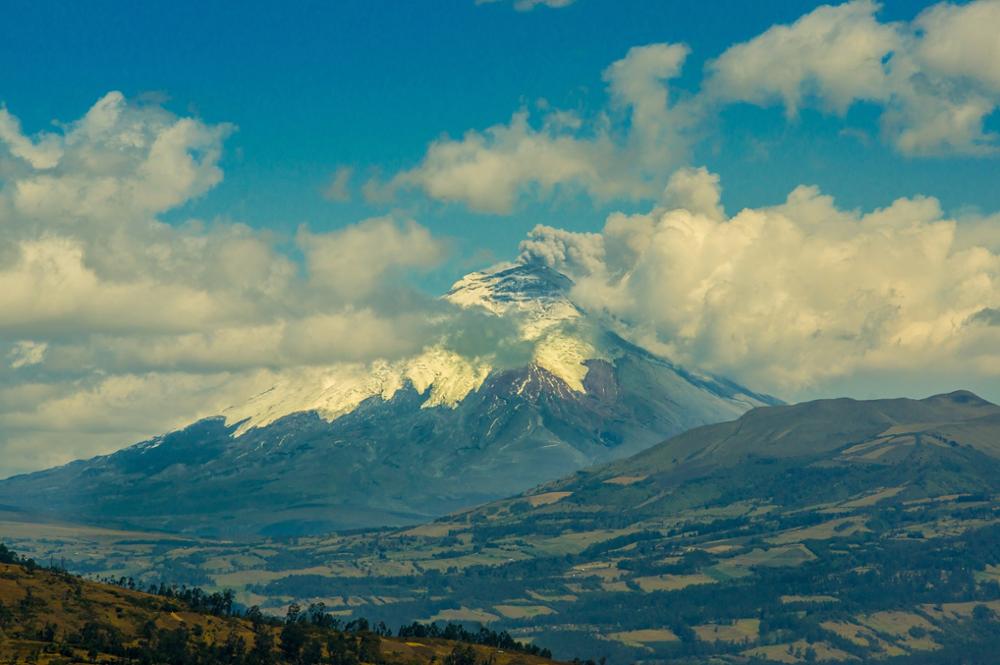
To reach the volcano's summit? Plan for approximately 4 hours of hiking (10 hours for a complete day, including transport). Once at the top, you'll enjoy an exceptional view of the paramo – the Andean landscape typical of South America!
2-Day Excursion
Reaching the Cotopaxi summit can also be split across two days. In this case, your first day's trek concludes at a mountain refuge.
The next morning, you'll set out refreshed to conquer the summit! In the volcano's upper reaches, you'll encounter trails of sand and rock… But once you reach the top, you may spot condors in flight…
3-Day Excursion
Ideal for observing wildlife (deer, foxes, birds, and more), the 3-day excursion also lets you complete the trek at your own pace. With this option, you can stay at one of the park's lodges and enjoy dining services.
Good to Know Due to climate conditions, climbing Cotopaxi is best from June to August (peak season). During these months, refuges fill quickly. Advance reservations are strongly recommended – or mandatory, as with the José Ribas refuge (located at 4,800 meters altitude). |
Climbing Cotopaxi: How to Prepare – and Anticipate the Risks?
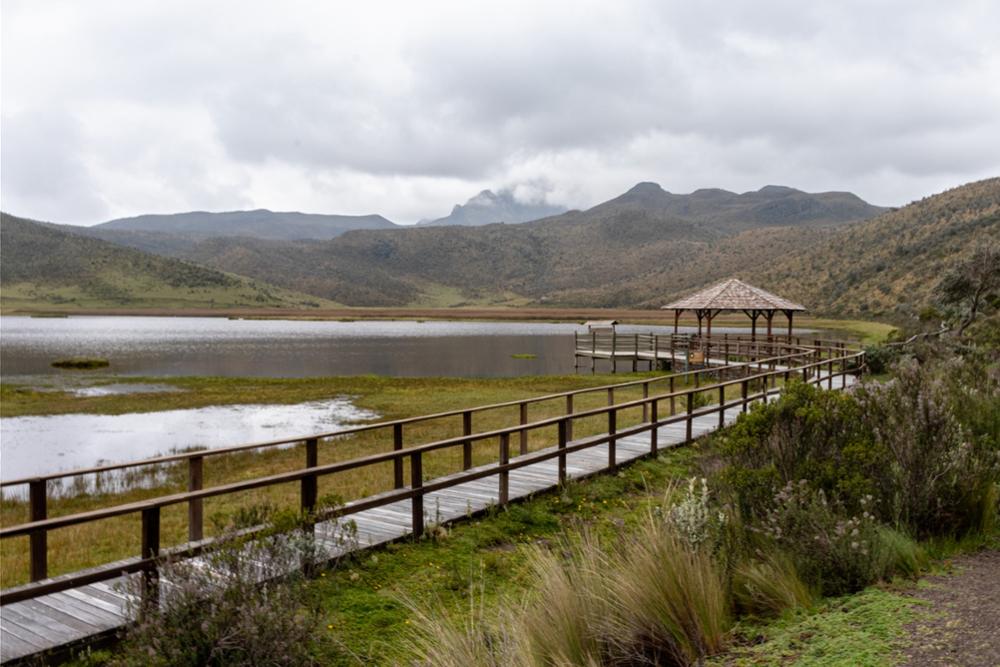
Climbing Cotopaxi isn't particularly difficult in itself. However, it can be taxing due to altitude and weather conditions.
Preventing Altitude Sickness
Cotopaxi volcano reaches 5,897 meters altitude! To avoid soroche (the notorious "altitude sickness"), you need to acclimatize your body beforehand. How? It's recommended to spend 48 hours in a high-altitude city before beginning your ascent.
During the hike, stay regularly hydrated and take frequent breaks. If despite these precautions you find yourself struggling to breathe or feeling unwell: stop and turn back! Don't take unnecessary risks…
Packing the Right Gear
For a successful ascent, proper equipment is essential – especially to withstand wind (Cotopaxi offers few sheltered spots in case of gusts). Moreover, weather can be unpredictable. To handle these variables, equip yourself with:
- sturdy hiking boots;
- a raincoat and gloves;
- warm and lightweight clothing to adapt to varying temperatures;
- sunglasses;
- SPF 50+ sunscreen;
- easy-to-carry food.
You can also rent high-altitude gear, such as crampons and ropes (for self-belay during gusts). If you're aiming for the summit, opt for an excursion with a certified guide.
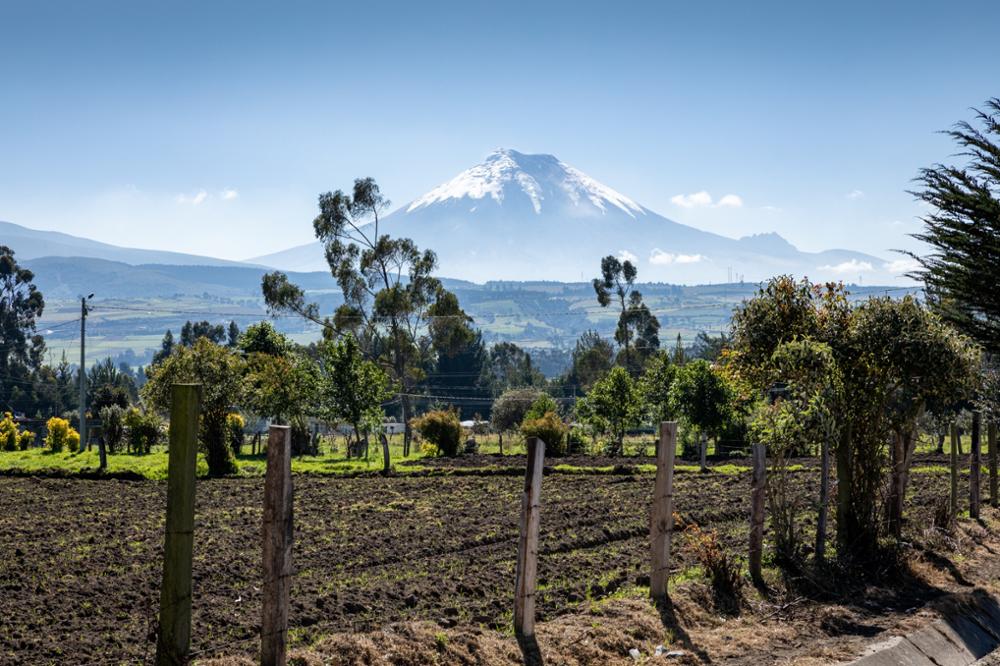
Climbing a volcano requires extensive organization. If you'd also like to explore Ecuador's other peak – and take the logistics off your plate (transportation, meals, etc.) – discover the Cotopaxi & Chimborazo Ascent itinerary!
Frequently asked questions
A guide isn't mandatory for a one-day excursion in Cotopaxi National Park. However, if you're aiming for the 5,897 m summit, it's strongly advised to hire a certified guide—especially to manage risks related to altitude, changing weather, and technical passages. Budget around €50 for professional guide services.
The best season for climbing Cotopaxi is June through August, the peak season. During these months, weather conditions are most favorable. Note: Refuges, especially the José Ribas refuge at 4,800 m altitude, often book out. Advance reservations are essential.
To prevent soroche (altitude sickness) before tackling Cotopaxi's 5,897 m, spend at least 48 hours in a high-altitude city like Quito (2,850 m) or Latacunga before departure. During the ascent, hydrate regularly, move at a steady pace, and take frequent breaks. If you experience severe headaches, nausea, or breathing difficulties, descend immediately without hesitation.
For a successful Cotopaxi climb, bring sturdy hiking boots, a raincoat, gloves, layered warm clothing, sunglasses, and SPF 50+ sunscreen. For a summit push, plan for or rent high-altitude equipment: crampons and ropes. Many agencies in Quito, Machachi, and Latacunga offer gear rental.
From the José Ribas refuge (4,800 m), expect 4 to 6 hours of hiking to reach Cotopaxi's 5,897 m summit, depending on your pace and acclimatization level. For a complete one-day excursion from Quito or Latacunga, plan around 10 hours including transport. For greater comfort, choose the 2-day option with a night at the refuge.