Isabela Island
Isabela Island
The largest island in the Galápagos, shaped like a seahorse: 6 volcanoes, giant tortoises, penguins and exceptional snorkeling. The complete guide.
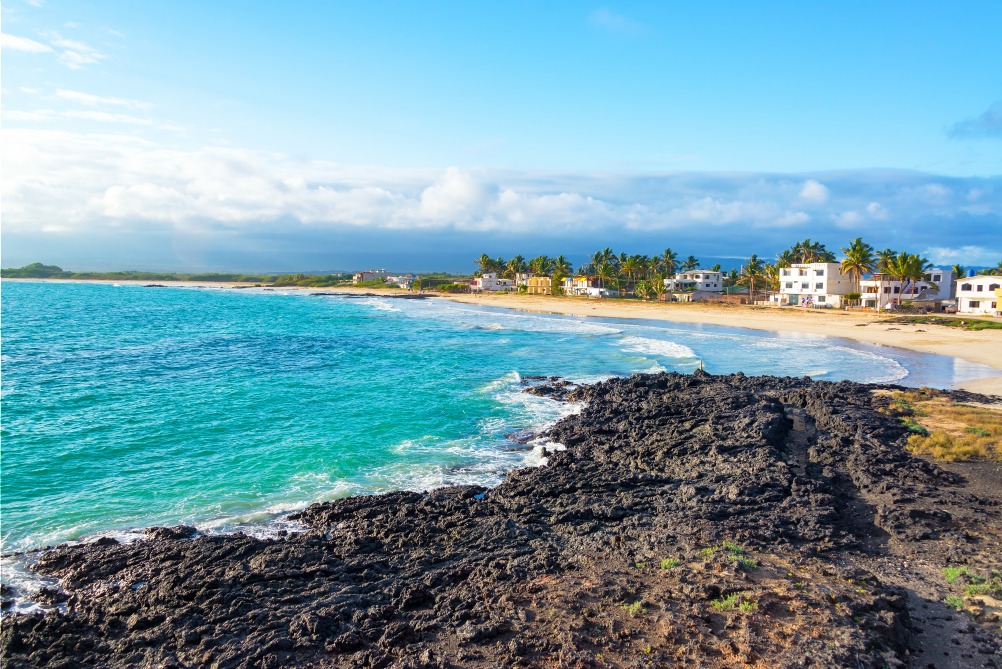
A visit to the Galápagos without Isabela Island is incomplete. Spanning 4,586 km² and stretching 100 kilometers in length, it is the largest island in the archipelago. It is home to a vast array of marine animals while boasting characteristics that set it apart from its neighbors. Exploring this seahorse-shaped land will surely enchant you.
History
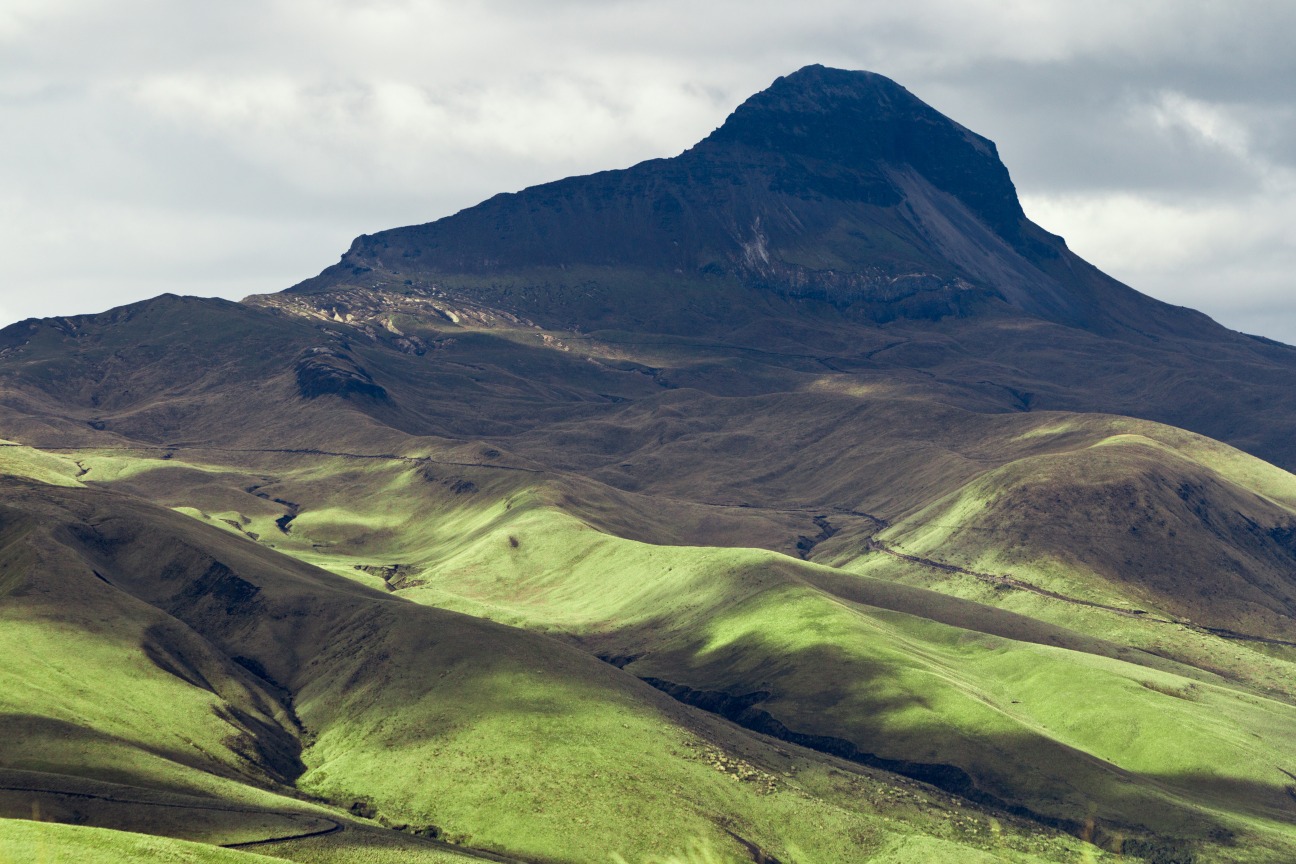
Approximately 1 million years old, Isabela Island is one of the youngest islands in the Galápagos. It is the result of the fusion of 6 shield volcanoes, 5 of which remain active today.
Originally named Isla Santa Isabela in honor of the Aragonese queen Elizabeth of Portugal, who was canonized by Pope Urban VIII in 1626, it was renamed Isla Isabela in 1892 to commemorate the 400th anniversary of Christopher Columbus's first voyage to Équateur. This second name pays tribute to the explorer's patroness, Queen Isabella I of Castile.
The first settlement on Isabela Island, Puerto Villamil, as well as the village of Santo Tomás, were founded in 1893. The island's economy was based primarily on exports of sulfur and lime, which was manufactured from coral. Inhabitants consumed tortoises as a source of meat.
Later, goats were introduced to the island. They multiplied until reaching 100,000 individuals. Deteriorating local vegetation, these animals were eradicated in 2006–2007.
Isabela Island, one of the most fascinating of the Galápagos islands
This island is primarily known for its geology, which offers insight into the geological phenomena that gave birth to the archipelago, such as uplifts in Urbina Bay and the Bolívar Channel, and tuff cones at Sierra Negra.
Furthermore, Isabela Island stands out for its wildlife. It records the highest number of wild tortoises of all islands in the archipelago. Due to its particular topography, several tortoise subspecies have also evolved here.
Other animals that inhabit the island include penguins, marine iguanas, cormorants, boobies, pelicans, Galápagos hawks, Sally Lightfoot crabs, Galápagos land iguanas, Darwin's finches, Galápagos doves, and more. Whales and dolphins also frequent the area.
What to do on Isabela Island?
Observe the Galápagos flamingos
Observing these magnificent birds is one of the island's main attractions. Galápagos flamingos are among the most striking species in the world. They love to frequent Flamingo Lake, which extends west of the town of Puerto Villamil. For a better chance of spotting them, plan your visit at dawn or sunset.
Explore the underwater life at Concha Perla
Concha Perla is the ideal spot on the island to observe Galápagos penguins, an endemic species of the archipelago. With its crystalline waters, this bay is also perfect for observing marine creatures, such as tropical fish, sea turtles, and sea lions.
Meet the Galápagos tortoises
Galápagos tortoises can be spotted in the wild. However, to increase your chances of seeing them, visit the Centro de crianza tortugas gigantes, a breeding center for these reptiles. Once abundant on the island, only a few thousand individuals remain today. The center is dedicated to restoring their population. The path leading there winds along a lagoon, where you can also see marine iguanas, ducks, and flamingos.
Snorkel at Los Tuneles
Like Concha Perla, Los Tuneles is an excellent snorkeling spot. The site consists of a labyrinth of channels and lava arches created by a volcanic eruption. Its clear, shimmering waters are perfect for observing marine creatures, including seahorses, sea turtles, sharks, and sea lions. Nesting birds can also be spotted here.
Visit the Wall of Tears
The Wall of Tears was built by former prisoners of the island, created simply to prevent them from becoming bored. The structure stands approximately 91 meters high and is accessible via a 5-kilometer trail. A lagoon populated by flamingos and two magnificent beaches are located nearby.
Trek to Sierra Negra volcano
Sierra Negra is one of the most active volcanoes in the region. You must travel 16 kilometers to reach it, and a guide is essential. Your guide will share its formation story and explain its characteristics. Once you reach the end of the trail, you'll be rewarded with a breathtaking view of its impressive 9-kilometer-diameter caldera.
Visit Elizabeth Bay
Elizabeth Bay is typically visited by boat or kayak. From the comfort of your vessel, you can observe its penguins, cormorants, blue-footed boobies, and marine iguanas on rocky islets surrounded by mangrove forests. This part of the island is teeming with marine life. In addition to the animals mentioned above, you'll find eagle rays, dolphins, and even humpback whales.
Discover Las Tintoreras
Las Tintoreras is a series of islets known for its white-tipped reef sharks, which love to bask in its shallow waters. The abundance of marine iguanas is also a highlight of the site. Furthermore, this location is ideal for hiking, diving, and kayaking.
Practical information
When to visit?
The best time to visit Isabela Island is from June to November, when diving conditions and wildlife viewing opportunities are excellent.
Isabela Island is accessible only by plane or ferry from the neighboring islands of San Cristóbal or Santa Cruz. Therefore, you must first take a flight to the Galápagos to reach it.
Want to discover this destination?
Our local advisors design your tailor-made trip.