Cajas National Park
Cajas National Park
Located 30 km from Cuenca, Cajas National Park spreads across 285 km² of páramo, 786 glacial lakes, and endemic Andean fauna between 3,100 and 4,450 m altitude.
Cajas is a national park situated approximately 30 km west of @[Cuenca](cuencas), the capital of Azuay Province, in southern Équateur. Blessed with stunning landscapes shaped by rolling hills, valleys, ravines, and countless bodies of water, this park is a national treasure. It stands as a dream destination for hiking enthusiasts and outdoor adventure seekers.
History
Cajas was officially declared a national park on November 5, 1996. Since 2002, it has held the status of Ramsar wetland, a wetland of international importance. Following UNESCO's designation in 2014, the park was classified as a protected site and core zone of the El Cajas Massif Biosphere Reserve.
The name Cajas derives from the Quichua word "cassa," which means "bridge to the snow-capped mountains." Through an agreement signed by the Ministry of Environment, Cajas National Park has been administered by the Municipality of Cuenca since 2002.
Visiting Cajas National Park
Cajas National Park spans an impressive 285.4 km² across the highlands of Équateur, rising between 3,100 m and 4,450 m in altitude. Though it experiences frequently cold and humid weather, this site ranks among the rare places in Équateur that reach these elevations without being permanently snow-covered.
Day Excursions
For a better exploration of the site and discovery of its magnificent landscapes along with its flora and fauna, a day excursion is the ideal approach.
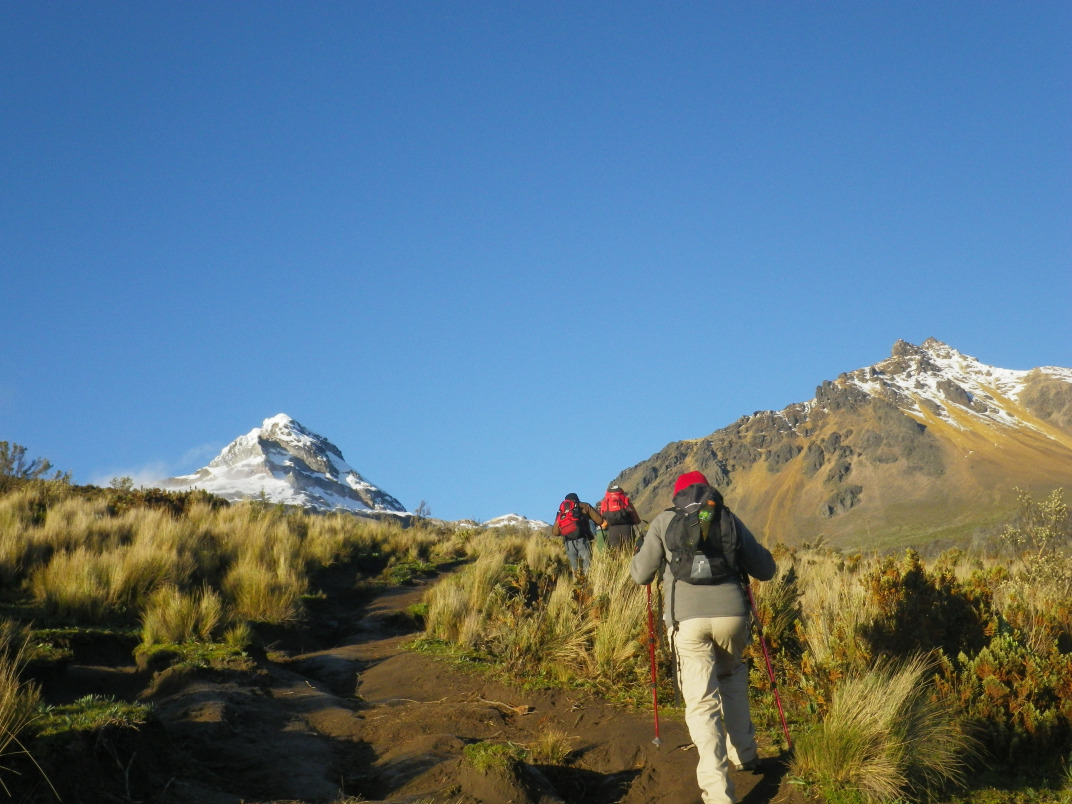
The park features approximately fifteen hiking trails weaving through its spectacular scenery. Most routes average 2 to 6 hours, though camping allows visitors to organize multi-day treks. Excursions typically depart from Cuenca and include visits to Inca ruins near Lago Osohuayco. One of the most rewarding trails winds through the quinua forest to the forest ranger station. Once there, you can pause at one of the restaurants lining the highway for a chance to sample the region's renowned freshwater trout.
Wildlife of Cajas
The park's landscape alternates between hills, valleys, and subalpine forest, shaped by distinctive páramo vegetation—a flora adapted to soil formed by glacial melt. This ecosystem features quinoa, valerian, páramo grass, wild rosemary, and gentian. Visitors will encounter rare and endemic plant species such as orange chuquiragas and frailejon. On leisurely walks through the park, trekkers may spot several mammal species; the park hosts nearly 44 species, some endemic and critically endangered. The most notable include Andean condors, guanacos, pumas, and spectacled bears. Nearly 17 amphibian species—including Atelopus, Telmatobius, and Therodactylus genera—inhabit the lakes and lagoons. Lucky hikers may glimpse the South American Andean condor, an endangered species in Équateur.
The park shelters over 157 bird species. The most celebrated, which define its reputation, include the giant hummingbird (Patagona gigas) and the Violet-throated Metaltail. The abundance of water bodies explains the presence of migratory birds throughout the region. Birdwatching here promises unforgettable moments for avian enthusiasts.
The Lakes of the Park
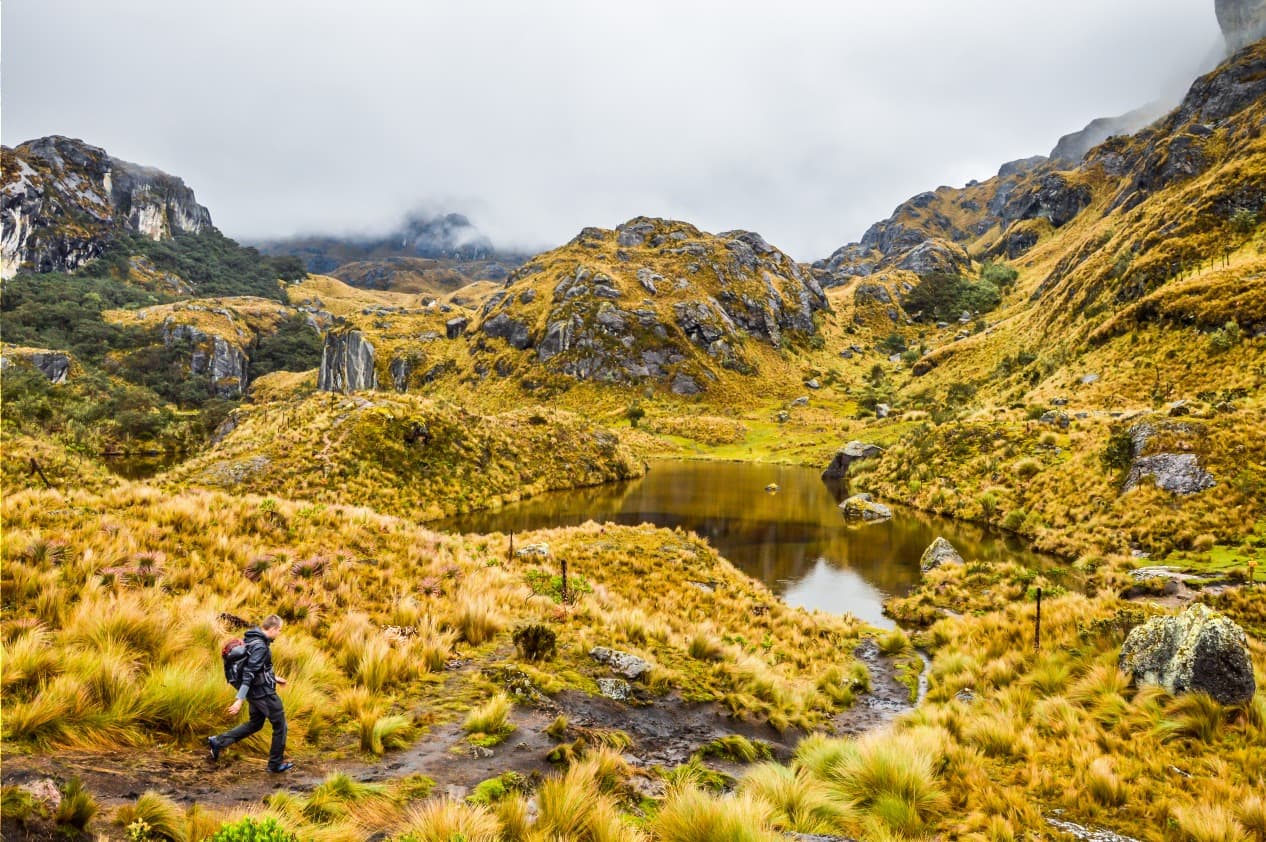
Cajas National Park stands out primarily for its remarkable number of water bodies. It contains 786 in total—approximately 165 large glacial lakes and nearly 621 smaller lakes under 10,000 m². Each valley connects through small streams, making this one of the region's most vital water sources. These lakes feed the Yanuncay and Tomebamba rivers, which flow through Cuenca.
Among these waters, Luspa remains the park's largest lake. With depths reaching 68 m, this glacial-origin lake spans roughly 1 km² and attracts visitors passionate about sport fishing. Fly fishing ranks among the most popular activities here.
Following the Cuenca–Sayausi–Molleturo highway, Cajas National Park lies approximately 30 minutes by bus from Cuenca. From the city's main bus station, travelers can board Cooperativa Transporte Occidental buses heading to Guayaquil (they pass directly by the forest ranger station).
Want to discover this destination?
Our local advisors design your tailor-made trip.