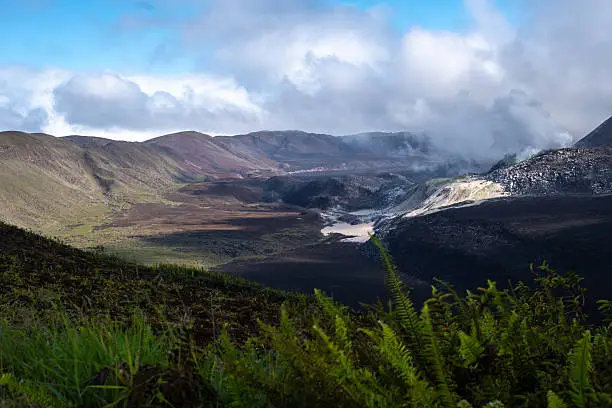
Chaquiñan
A former railway transformed into a green corridor, the Chaquiñan connects Quito's eastern valleys to Tumbaco through wooded ravines, railway bridges and Andean scenery. Perfect for cycling or hiking.
The Chaquiñan is a cycling and hiking path stretching several dozen kilometers along the former railway line linking Quito to the Tumbaco and Cumbayá valleys. Traced through the eastern valleys of the Équateur capital, it crosses rural areas, wooded ravines and Andean villages. It's one of the rare linear green spaces accessible from Quito, beloved by cyclists, runners and families on weekends.
Quick facts
- Access: multiple entry points from Cumbayá, Tumbaco and eastern Quito neighborhoods (La Armenia, Guangopolo)
- Entry: free
- Recommended duration: 2 hours to a full day depending on which section you choose
- What to wear: sports or trail shoes recommended; bring a warm layer for high altitude
- Bike rental: available near certain access points, particularly in Cumbayá
What you'll see
The route alternates between passages through woodland, bridges over ravines and open stretches overlooking Andean slopes. You'll pass vegetable gardens, farms and remnants of the old railway infrastructure. Vegetation varies with altitude: eucalyptus, acacias and, in wetter zones, tree ferns. Andean birds — hummingbirds, tanagers — are frequently spotted.
History and context
The railway line that once occupied this corridor was part of Équateur's rail network built in the late 19th and early 20th centuries. After the gradual abandonment of rail traffic on this stretch, the route was converted into a multi-use path. The Chaquiñan project — a Quechua word roughly meaning "shortcut path" — transformed this defunct infrastructure into an urban and peri-urban green corridor.
Highlights of your visit
The Guangopolo ravine
One of the most spectacular sections of the trail: the path overlooks a deep ravine covered in dense vegetation. Metal bridges inherited from the railway era add an industrial character to the natural landscape.
The Cumbayá – Tumbaco section
The most frequented and best-maintained stretch. It skirts residential and agricultural areas with sweeping views of the surrounding hills. Ideal for a family cycling outing.
Wildlife observation
Early morning offers the best chances to spot hummingbirds and other Andean songbirds. Certain sections cross ecological transition zones between the dry valley and more humid slopes.
Photography tips
Morning light is ideal: it illuminates the Andean slopes and creates contrast in the wooded ravines. Railway bridges offer striking compositions. Late afternoon can bring mist settling in the valleys, creating a special atmosphere on higher sections.
Location and access
The Chaquiñan starts from eastern Quito neighborhoods and extends into the Cumbayá and Tumbaco valleys, east of the capital. Access from central Quito is by taxi or bus to Cumbayá. Some cyclists reach the starting point directly from the city. The route is generally flat to gently rolling on the main sections, making it accessible for most fitness levels.
Nearby attractions
- Cumbayá — lively residential neighborhood with restaurants and cafés, natural starting point for the Chaquiñan.
- Tumbaco — eastern valley village, local market and authentic Andean atmosphere.
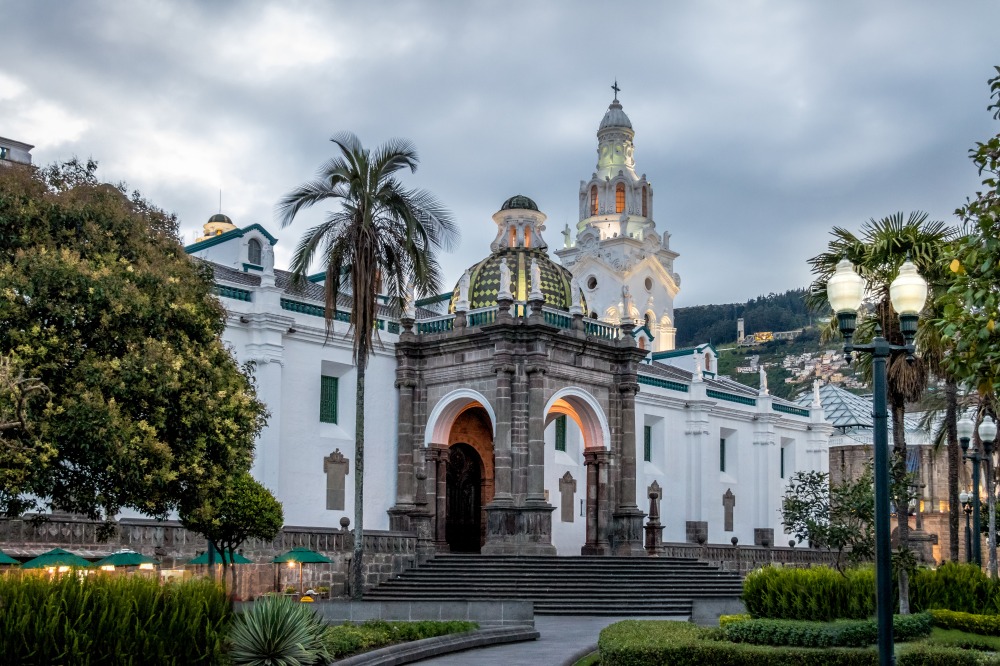
- Quito's historic center — about thirty minutes' drive away, UNESCO World Heritage site.
- Quito's Teleferico — access to the heights of Pichincha volcano, panoramic views over the entire agglomeration.
Frequently asked questions
The dry season (June to September) offers the best conditions: less mud on the trail and clearer skies. Early weekend mornings are ideal to avoid the midday heat of the valley.
A city bike or hybrid is sufficient for the main sections between Cumbayá and Tumbaco. More rugged stretches toward Guangopolo are better suited to a mountain bike.
Yes, the path is shared between pedestrians, runners and cyclists. Cohabitation is generally respectful, but stay alert to bikes on narrow sections.
A few small shops and stands are located on the edges of the villages you pass through, particularly in Tumbaco. Still, bring water and snacks for the isolated sections.
Sections near Cumbayá and Tumbaco are well-frequented and considered safe, especially during the day and on weekends. It's not recommended to venture alone on isolated stretches outside busy hours.
Nearby
Interested in this visit?
We can include it in your personalised itinerary.