Visiting Quito: What to See and Do in Ecuador's Capital?
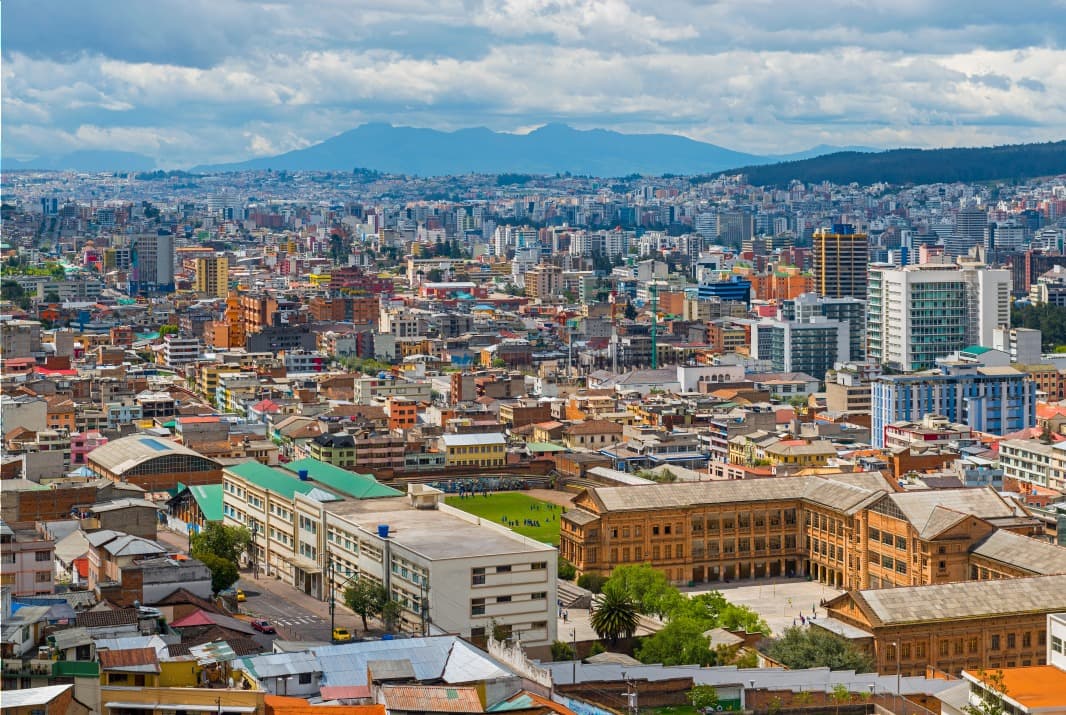
Known worldwide for being situated roughly on the 0° latitude line, Quito is Ecuador's capital. Visitors particularly appreciate its charming cobblestone streets
Known worldwide for being situated roughly on the 0° latitude line, Quito is Ecuador's capital. Visitors particularly appreciate its charming cobblestone streets, impressive religious buildings and numerous colonial architecture structures. To help you organize your trip to Ecuador, here's our list of things to see and do when visiting Quito.
Independence Square
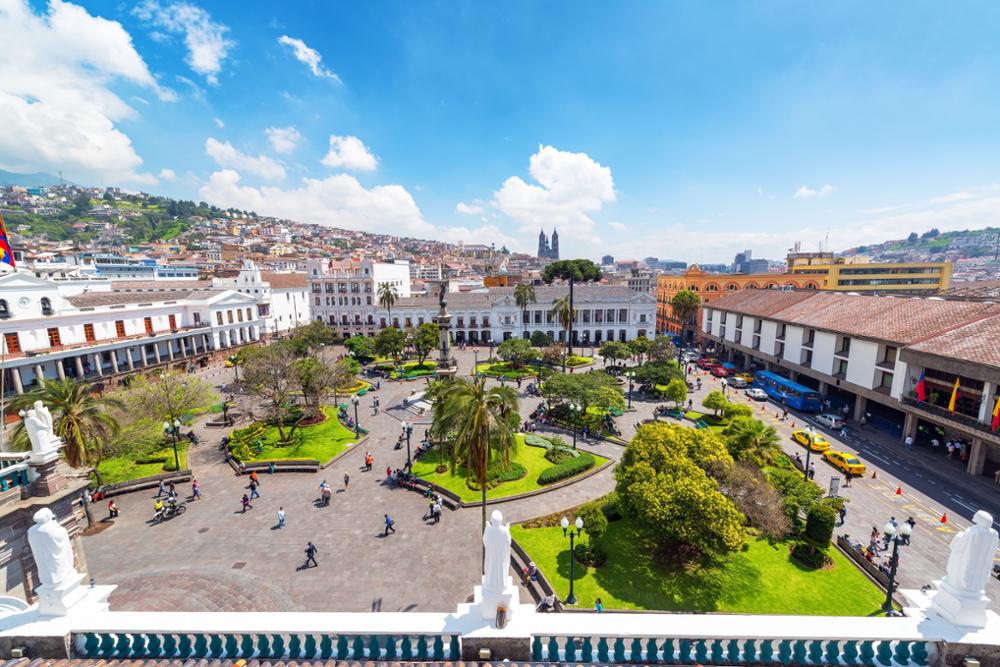
Also called Plaza Grande, Independence Square is the ideal starting point for exploring Quito's city center. On the square, you'll find the Palacio de Carondelet (Ecuador's government headquarters), the Catedral Metropolitana (a Gothic-Mudejar style cathedral), the Sagrario (a grand chapel dating from the 17th century) and the Archbishop's Palace. It's a perfect opportunity to wander through the small surrounding streets and discover the city's colonial architecture.
La Compañía de Jesús
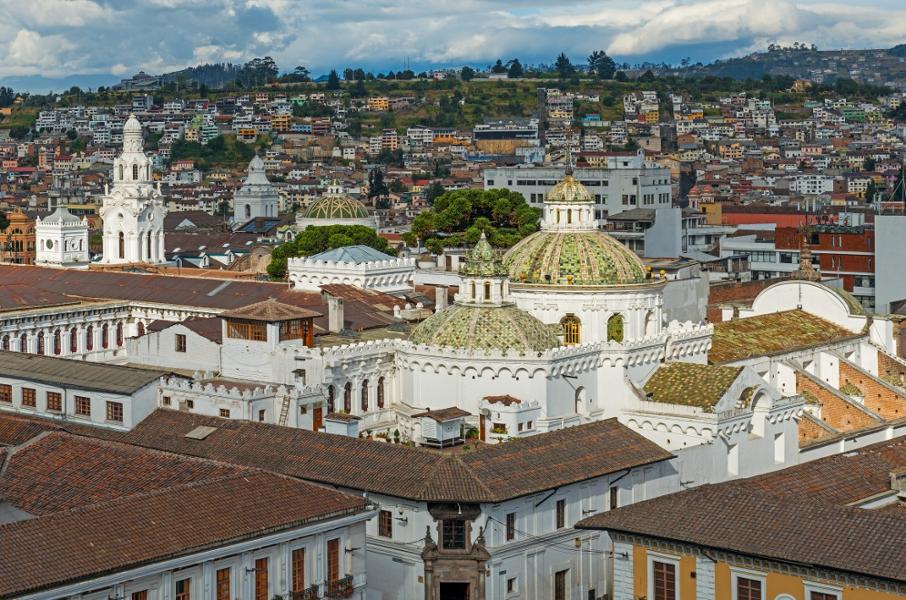
Just steps from Independence Square, don't miss La Compañía de Jesús. Considered one of the 7 wonders of Ecuador, this church is among the must-see sites when visiting Quito. Built between the 17th and 18th centuries by the Jesuits, it impresses with its baroque architecture and highly decorated interior. To give you an idea, the 26-meter-high nave is generously adorned with gold leaf and sculpted wood in a Mudejar style. The interior contains numerous works by great artists of the period. We recommend a guided tour so you don't miss any of its architectural secrets.
La Iglesia and Convento de San Francisco
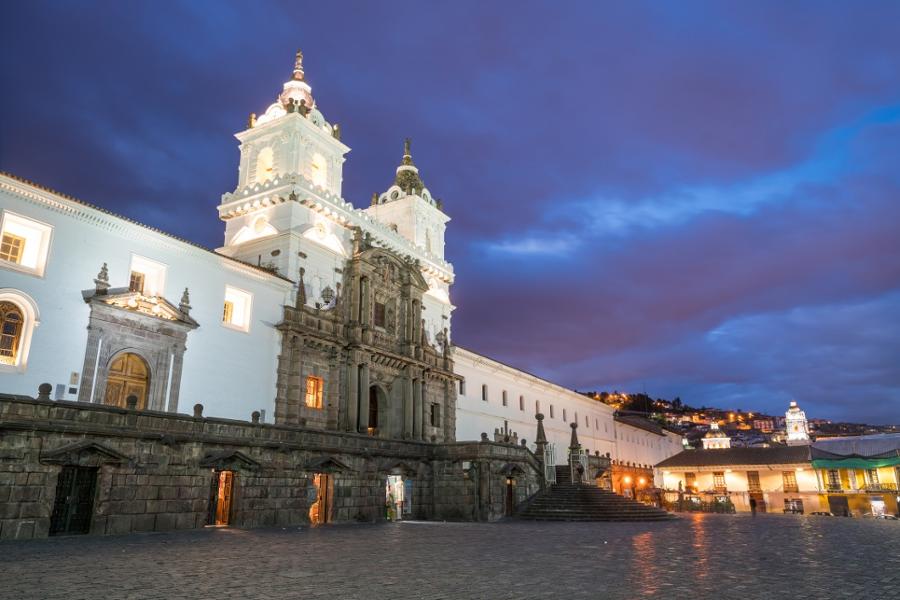
Head to another square in Quito to discover one of the city's oldest churches: La Iglesia and Convento de San Francisco. Built in 1535 by Franciscan monks, construction was completed 70 years later. Comprising 13 cloisters, 3 churches and a large courtyard, it is the largest colonial architectural complex in Latin America. The high altar is a perfect example of baroque sculpture, while the roof reflects Moorish influences. On the altar stands the city's iconic sculpture: la Virgen Alada de Quito (the Winged Virgin of Quito), sculpted by Bernardo de Legarda in 1734. In total, the church houses 3,500 colonial artworks.
Basílica del Voto Nacional
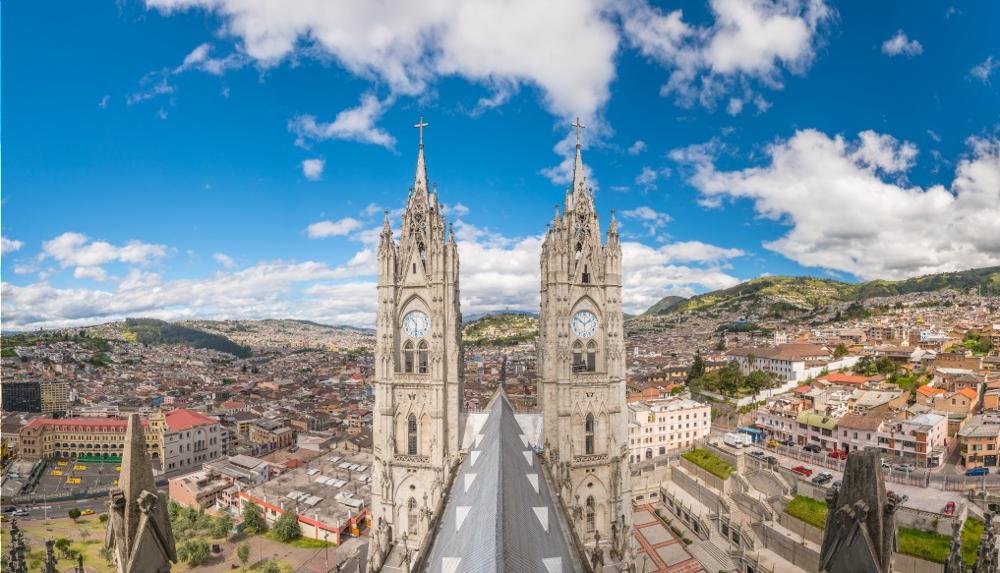
To finish your religious sites visits, don't overlook the Basílica del Voto Nacional. Though construction is recent (it began in 1883 and was completed in 1924), its architecture is no less impressive. It is, in fact, the largest neo-Gothic basilica in Latin America! You'll be amazed by its numerous gargoyles featuring shapes of Ecuadorian wildlife. The highlight? Access to the clock atop one of its towers for a panoramic view of the entire city. A word of caution for those with vertigo: the stairs are steep!
El Panecillo Hill and the Virgin of Quito
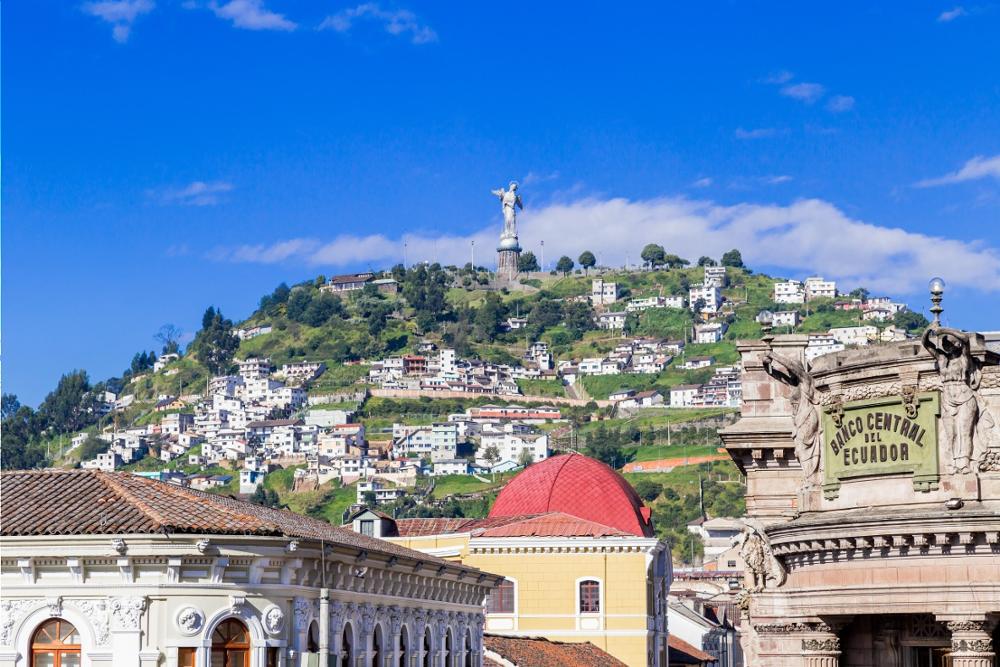
Love panoramic views? Head to Panecillo Hill! Literally meaning 'small loaf' in Spanish, El Panecillo is a hilltop overlooking the city of Quito. At 3,035 meters above sea level, the vista allows you to observe the surrounding landscape and admire all the church spires in the capital. On the hill, you'll also find the Panecillo Virgin sculpture, considered Quito's protector. Created by Spanish artist Agustín de la Herrán Matorras, this replica of the Virgin of Quito comprises over 7,000 aluminum pieces, making it the world's tallest aluminum statue!
Frequently asked questions
Plan for at least a full day to explore Quito's historic center and its main monuments: Plaza Grande, La Compañía de Jesús, the San Francisco convent and the Basílica del Voto Nacional. Two days are ideal for a leisurely pace and to include El Panecillo.
El Panecillo is about 15-20 minutes walk from the historic center, but the climb is steep. It's advisable to take a taxi for safety and comfort reasons. Licensed taxis are available on Independence Square for approximately 2 to 3 dollars.
No, visiting La Compañía de Jesús requires an entrance fee. The rate is generally around 4 USD per person. A guided tour is highly recommended to discover the architectural details and artworks adorning this baroque church, considered one of the 7 wonders of Ecuador.
Thanks to its altitude (about 2,850 meters), Quito enjoys a relatively mild climate year-round. The dry season, from June to September, is generally considered the best time to visit, with less rain and more sunshine. The months from December to April correspond to the rainy season, with showers primarily in the afternoons.
Quito's historic center is generally safe for tourists during the day, especially in frequented areas. It's advisable to avoid walking alone at night in certain neighborhoods, not to display expensive jewelry or cameras, and to use official taxis. Check with your accommodation about areas to avoid.
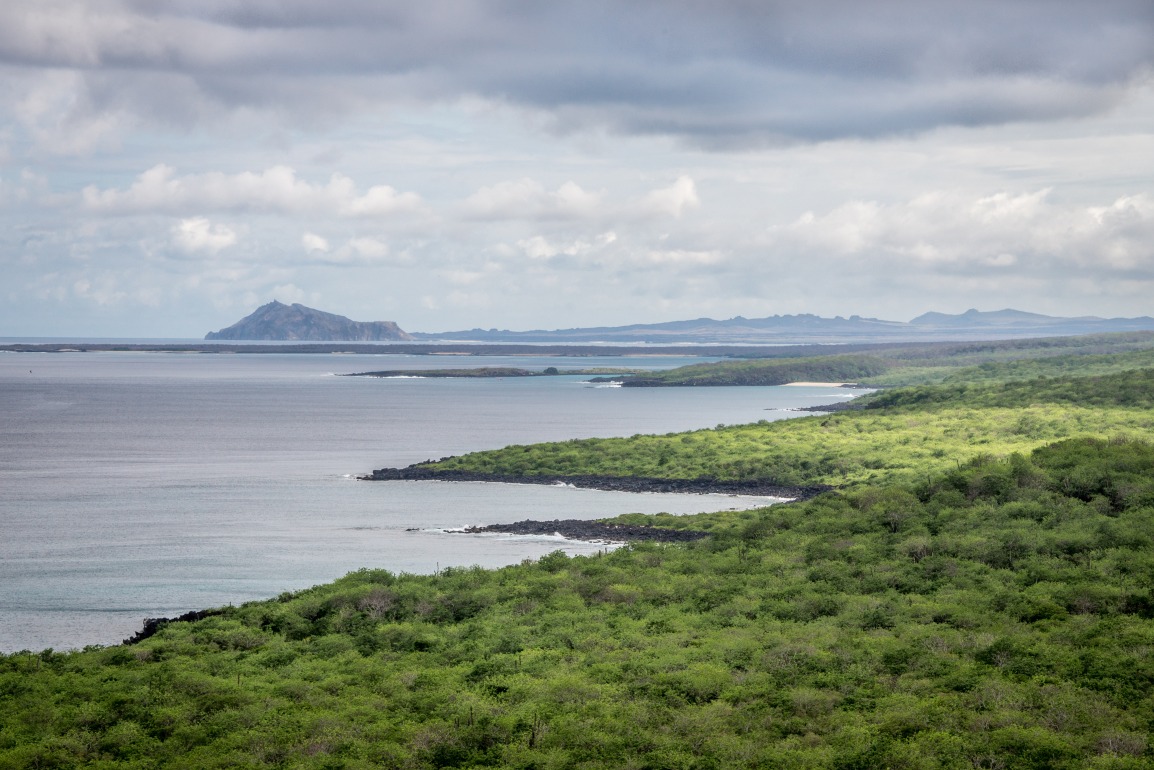
Quito is the main gateway to the Galápagos Islands. Regular flights connect Quito's Mariscal Sucre International Airport to Santa Cruz and San Cristóbal airports. Many travelers combine a Quito visit with a stay in the Galápagos during their Ecuador trip.