Isla Santa Cruz
Isla Santa Cruz
Santa Cruz is the tourism heart of the Galápagos. Giant tortoises in the wild, lava tunnels, Tortuga Bay beach and Charles Darwin Station: the island encompasses the best of the archipelago in just a few days.
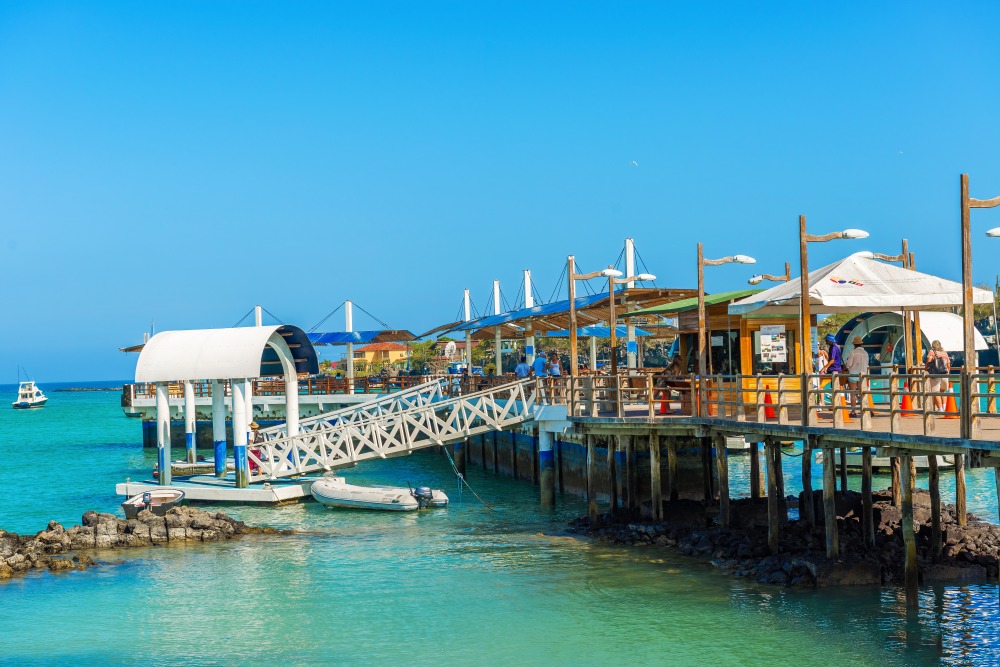
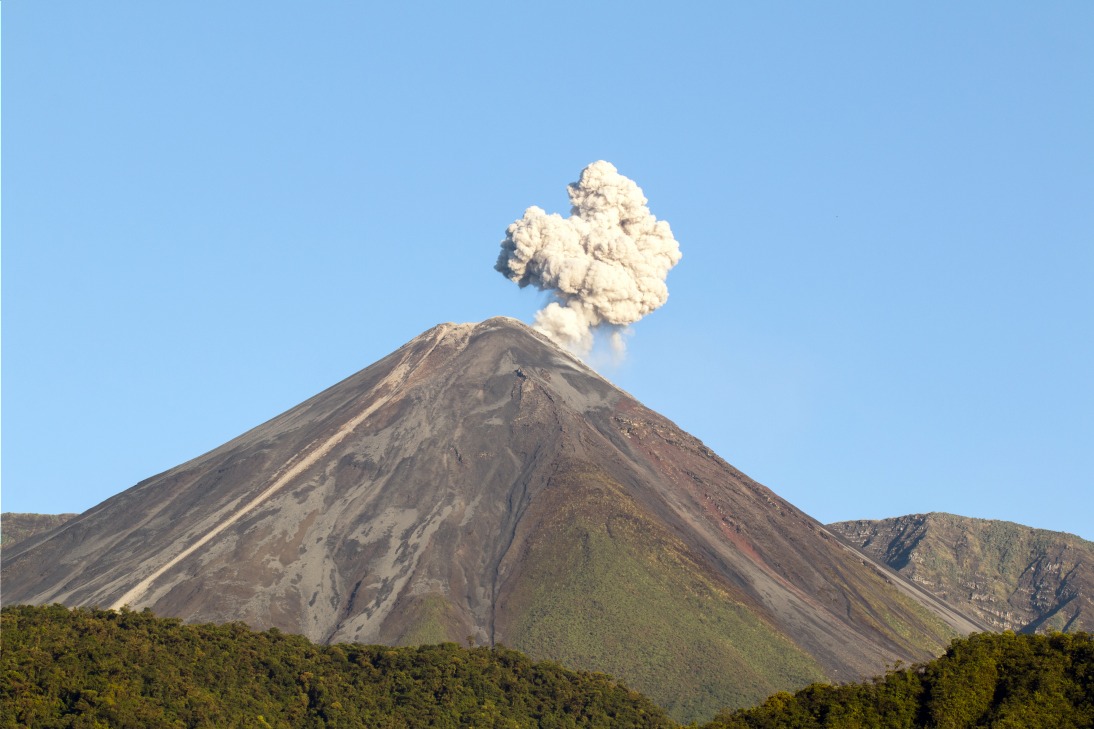
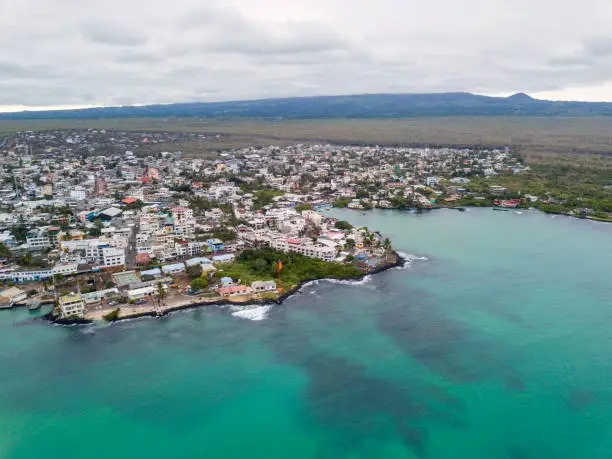
Santa Cruz is the main inhabited island of the Galápagos archipelago. Puerto Ayora, its principal town, concentrates the majority of the archipelago's tourist services. The island offers direct access to giant tortoises in the wild, white-sand beaches and volcanic landscapes that inspired Darwin. It's the natural starting point for exploring the Galápagos, whether on foot, by kayak or by boat.
Quick reference guide
- Access: flight from Quito or Guayaquil to Baltra Airport (GPS), then ferry and bus to Puerto Ayora.
- National park entrance: mandatory entrance fee payable upon arrival at Baltra (official tariff set by the Ecuadorian government, verify before departure).
- Recommended duration: 3 to 5 days to combine land sites and boat excursions.
- Attire: closed-toe shoes recommended for volcanic trails; swimwear and mineral sunscreen for beaches.
- Park rules: stay on marked trails, do not touch animals, take nothing and leave nothing.
- Accessibility for people with reduced mobility: limited on natural trails; Puerto Ayora is partially accessible.
What to see here
Santa Cruz concentrates a rare ecological diversity. Vegetation zones shift with altitude: arid coastal zone, transition zone, humid high-plateau zone. Galápagos giant tortoises (Chelonoidis niger) roam freely in farms within the agricultural zone. Marine iguanas colonize coastal rocks, and sea lions occupy the Puerto Ayora docks without any concern.
History and context
The Galápagos archipelago has been part of Équateur since 1832. Santa Cruz remained sparsely populated for a long time; Puerto Ayora developed only in the 20th century with the rise of scientific tourism. The Charles Darwin Research Station, founded in 1964, played a central role in protecting endemic species, particularly the giant tortoise breeding program.
Highlights of your visit
Charles Darwin Station
Located in Puerto Ayora, this scientific station houses a giant tortoise breeding center. You can observe individuals from different subspecies, some bred in captivity before being released. Explanatory panels detail current conservation programs.
The highlands and tortoise farms
In the island's interior, agricultural zones on the high plateaus host wild giant tortoises, especially during the humid season. Several private farms open their lands to visitors. The landscape of mist and dense vegetation contrasts sharply with the arid coast.
Lava tunnels
Santa Cruz has underground lava tunnels among the longest in the archipelago. These galleries, formed by the cooling of volcanic flows, can be explored on foot. Some tunnels open directly onto the sea.
Tortuga Bay
This fine white-sand beach, accessible on foot from Puerto Ayora via a marked trail, is one of the archipelago's longest. Marine iguanas rest here in large numbers. A calm lagoon at the beach's end suits swimming and kayaking.
Las Grietas
This geological fissure filled with seawater and freshwater forms a natural pool set between two rocky walls. Snorkeling is possible here; you'll encounter tropical fish and sometimes rays.
Photography tips
Light is optimal early morning and late afternoon. Giant tortoises in the highlands photograph best in overcast weather, frequent in the humid zone. At Tortuga Bay, low-angle evening light reveals sand textures and iguana silhouettes. Don't approach animals closer than one meter: park rules prohibit it, and animals, accustomed to humans, remain still if you wait patiently.
Location and access
Santa Cruz is the central island of the Galápagos archipelago, roughly 1,000 km from Ecuadorian coasts. The main airport is on Baltra Island (adjacent), linked to Puerto Ayora by ferry and bus. A second airport serves San Cristóbal. Puerto Ayora is the archipelago's logistics hub: travel agencies, hotels, restaurants and boat excursion departures concentrate here. The Charles Darwin Station and Tortuga Bay are accessible on foot from downtown.
Nearby destinations
- Isabela Island — the archipelago's largest island, with active volcanoes and Galápagos penguins on the coast.
- San Cristóbal Island — administrative seat of the province, with a sea lion colony on Puerto Baquerizo Moreno's waterfront.
- Española Island — nesting site for Galápagos albatrosses, accessible only by guided excursion.
- Fernandina Island — untouched by introduced species, with spectacular concentrations of marine iguanas.
Frequently asked questions
The warm season (January to June) offers calmer seas and warmer waters, ideal for snorkeling. The cool season (July to December) brings cold, nutrient-rich currents favorable for diving and wildlife observation. Giant tortoises are more visible in the highlands during the humid season.
Land sites near Puerto Ayora (Darwin Station, Tortuga Bay, Las Grietas) are accessible without a guide. For boat excursions to other islands, a certified naturalist guide approved by the national park is mandatory.
No. The Galápagos National Park regulation prohibits any physical contact with wildlife. A minimum distance must be observed. Rangers and guides strictly enforce this rule.
Puerto Ayora is walkable. Taxis and van-taxis serve the highlands. Water taxis link Puerto Ayora to other island points. Bike rentals are available for some routes.
Yes. Fast ferries daily connect Santa Cruz to San Cristóbal and Isabela. Day excursions allow visits to uninhabited islands like Bartolomé or Seymour Norte from Puerto Ayora.
Photography is permitted in nearly all sites. Flash use is discouraged near animals. Some areas of Darwin Station may have specific restrictions; ask on-site.
Want to discover this destination?
Our local advisors design your tailor-made trip.